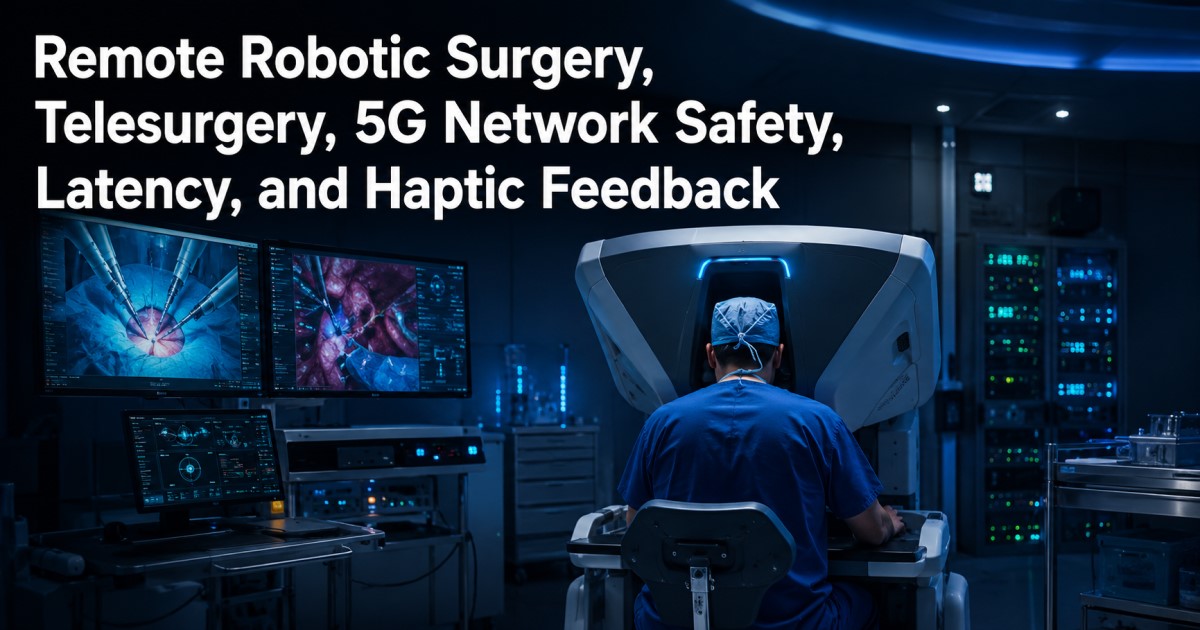
Remote Robotic Surgery, Telesurgery, 5G Network Safety, Latency, and Haptic Feedback: Scoping Review with ☸️SAIMSARA.
Remote robotic surgery is no longer science fiction: the evidence shows real feasibility across 5G telesurgery, neurovascular intervention, spine surgery, and remote mentoring, but only when latency, bandwidth, redundancy, cybersecurity, and feedback systems are treated as clinical safety infrastructure. The full evidence map shows where remote robotic surgery is already clinically credible, where it remains experimental, and which technical safeguards will determine whether distance-separated surgery becomes a safe medical service or only a technological demonstration.
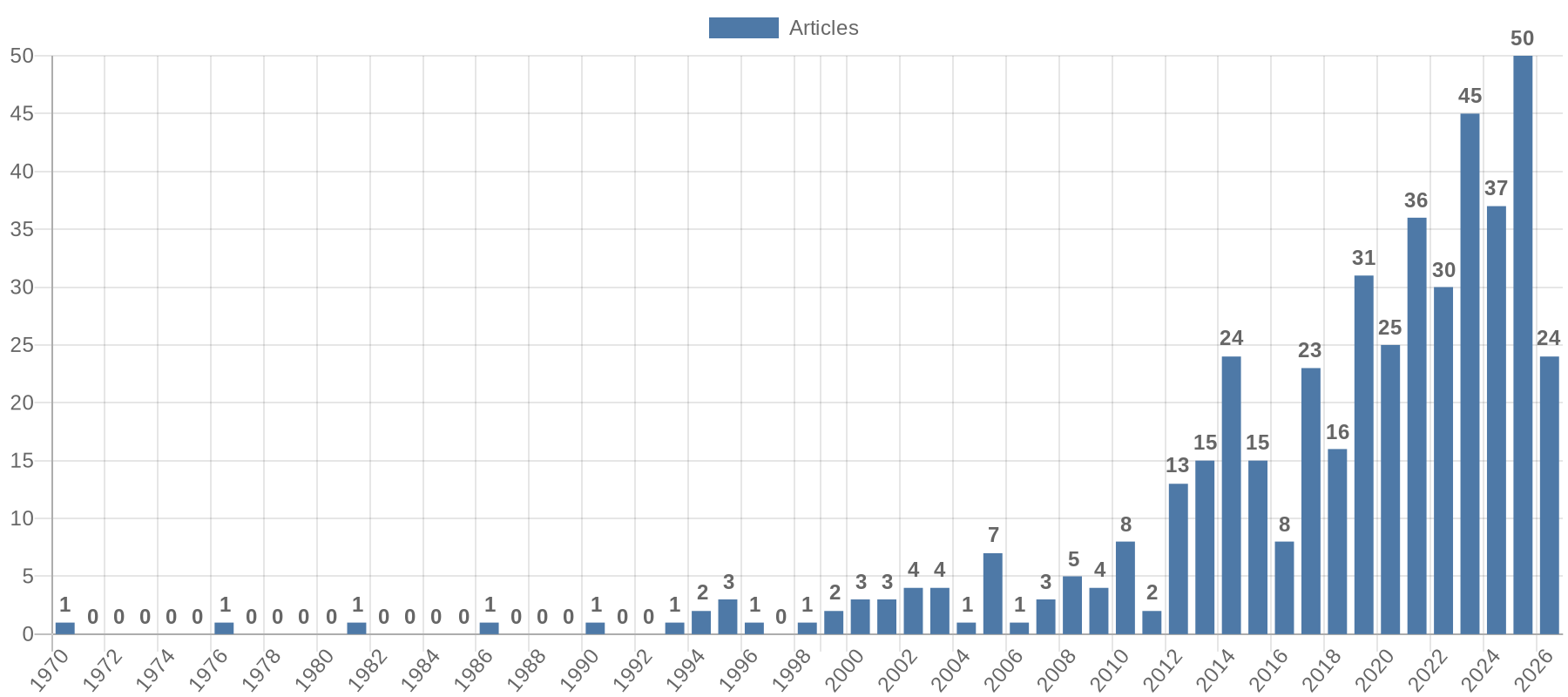
Mobile Health Clinics: Scoping Review with ☸️SAIMSARA.
Mobile health clinics are not just outreach vans; they emerge as equity infrastructure that can bring screening, diagnosis, treatment initiation, and trust directly to populations fixed-site care often misses. The full evidence map shows where MHCs truly deliver value, where continuity breaks down after the first encounter, and which models are most likely to convert access into sustained care.
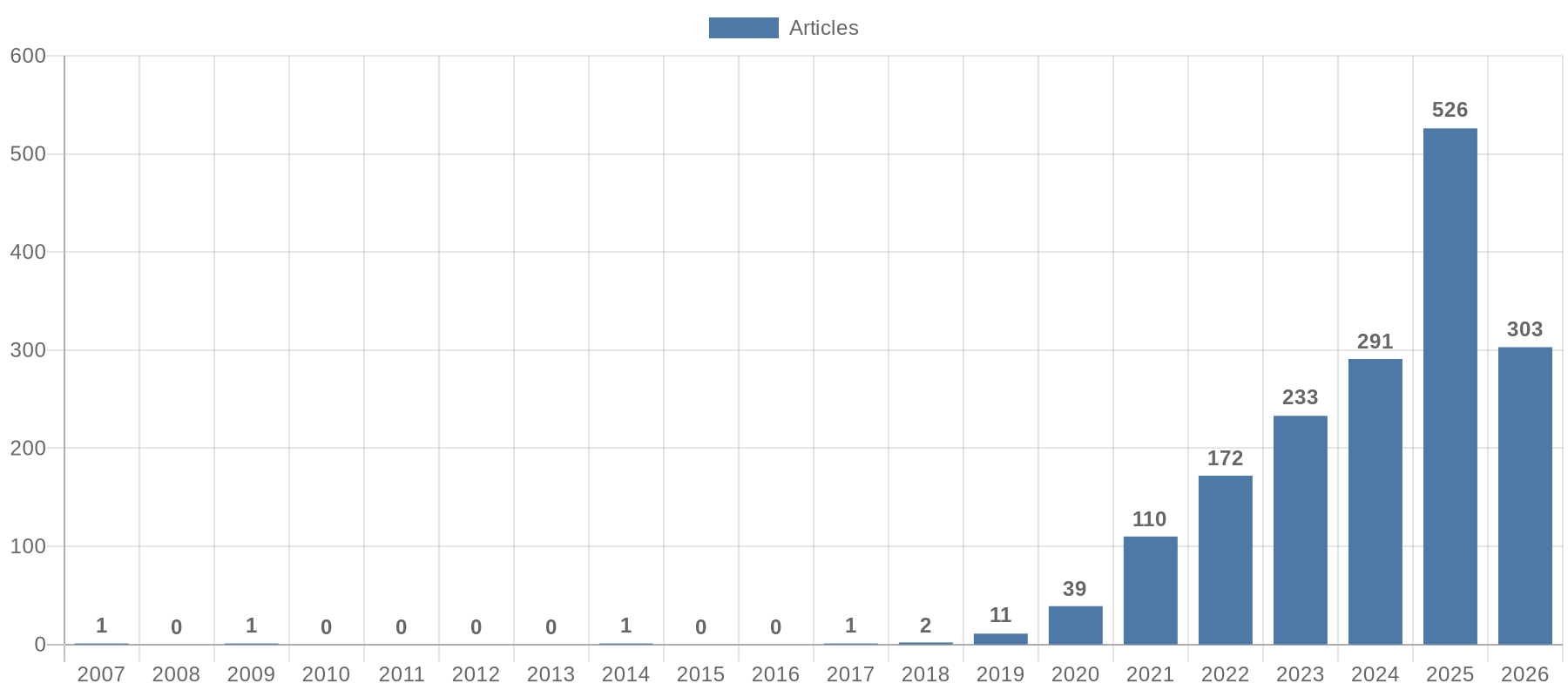
Digital Twins in Healthcare, Industry, and Infrastructure: Scoping Review with ☸️SAIMSARA.
Digital twins are moving beyond engineering hype into practical decision systems for medicine, industry, infrastructure, and public health—linking real-world data to virtual models that can predict, optimize, and guide action. This full evidence map of 220 references and 1,347 original studies shows where digital twins already deliver measurable signals, where they remain experimental, and which domains are closest to real-world clinical or operational impact.
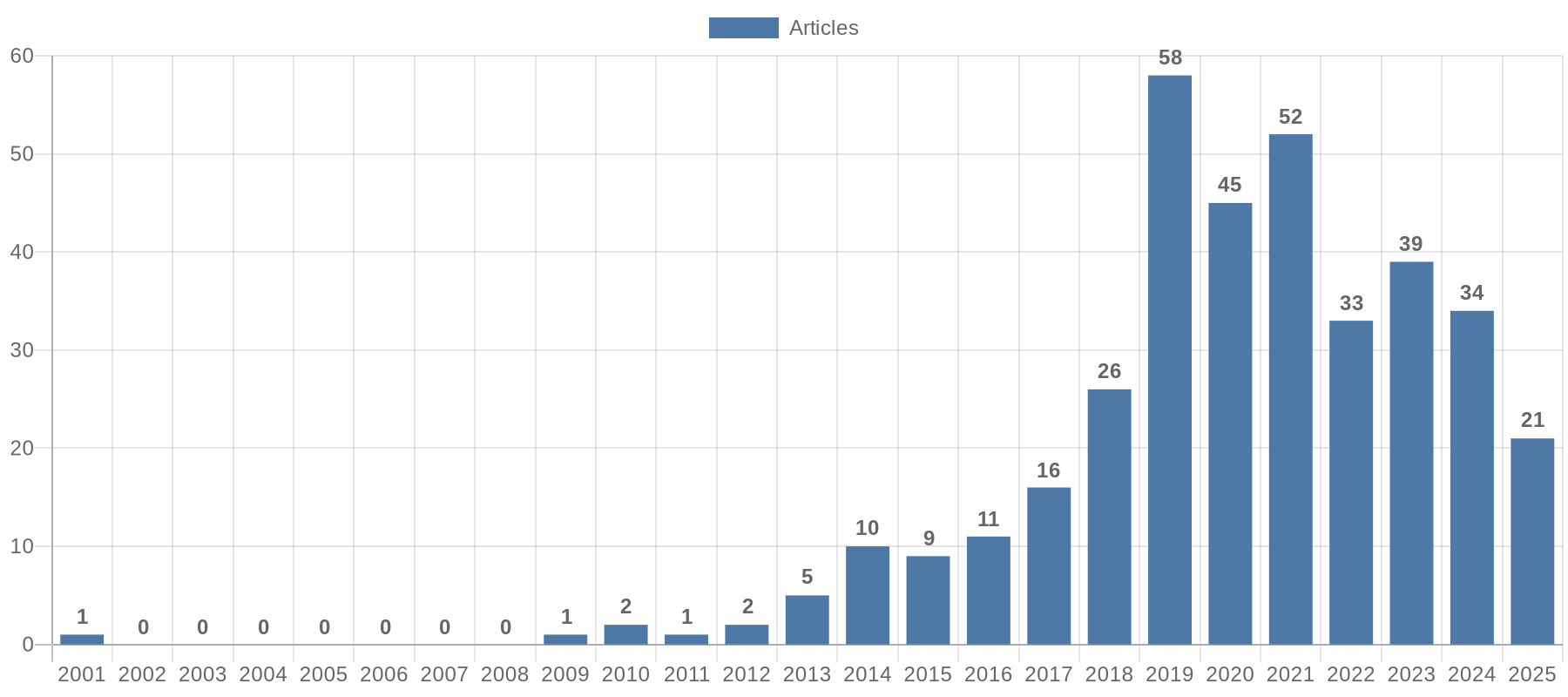
Transhumanism, Human Augmentation, and Biohacking: Scoping Review with ☸️SAIMSARA.
Transhumanism is no longer only a futuristic philosophy: this evidence map shows how wearables, biohacking, microchipping, XR, and human–machine prototypes are already reshaping identity, embodiment, and social acceptance. The full review separates empirical signals from speculative claims, showing where augmentation appears practical, emotionally driven, culturally normalized, or ethically contested.
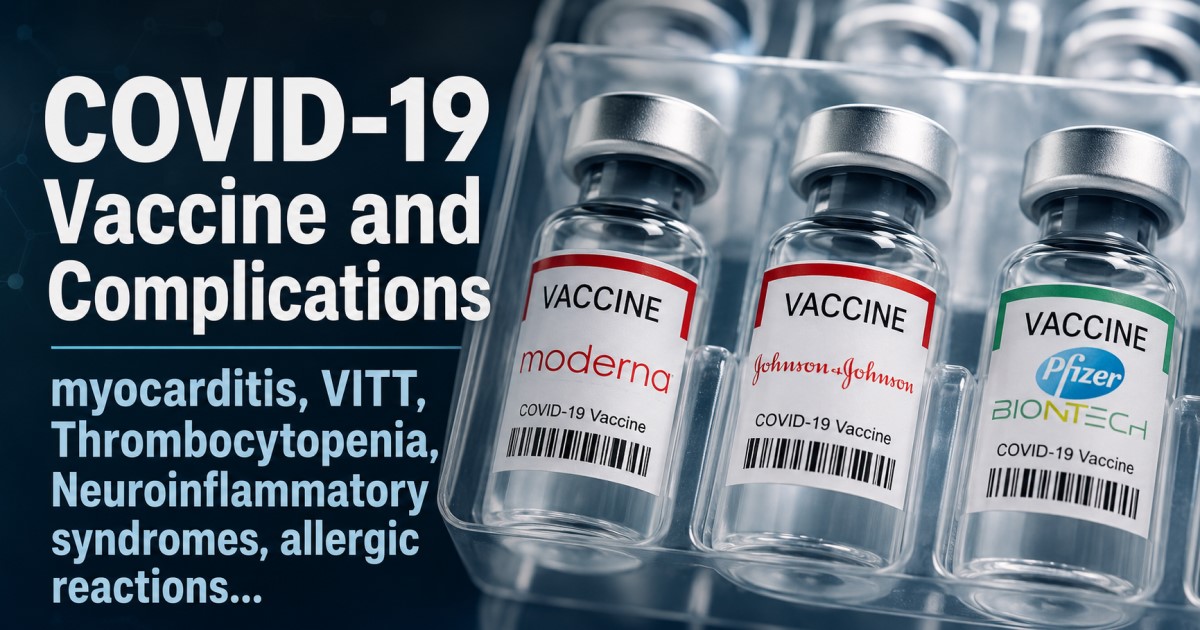
COVID-19 Vaccine and Complications: Scoping Review with ☸️SAIMSARA.
This review maps a large clinical evidence base showing that COVID-19 vaccines were generally linked to a strong safety-benefit balance: serious complications such as myocarditis and VITT were rare, while protection against severe COVID-19 outcomes and death remained substantial. Read the full paper to see which risks were truly recurrent, which populations were most vulnerable, and how the balance differed by vaccine platform, age, pregnancy, chronic disease, and immunocompromised status.
COVID-19 Vaccine and Mortality: Scoping Review with ☸️SAIMSARA.
This review shows that COVID-19 vaccination was generally linked to lower mortality, especially in older and high-risk groups, but that protection decreased over time and improved again after booster doses. Read the full paper to see where the evidence is strongest, which groups benefit most, and where important safety and interpretation questions remain.
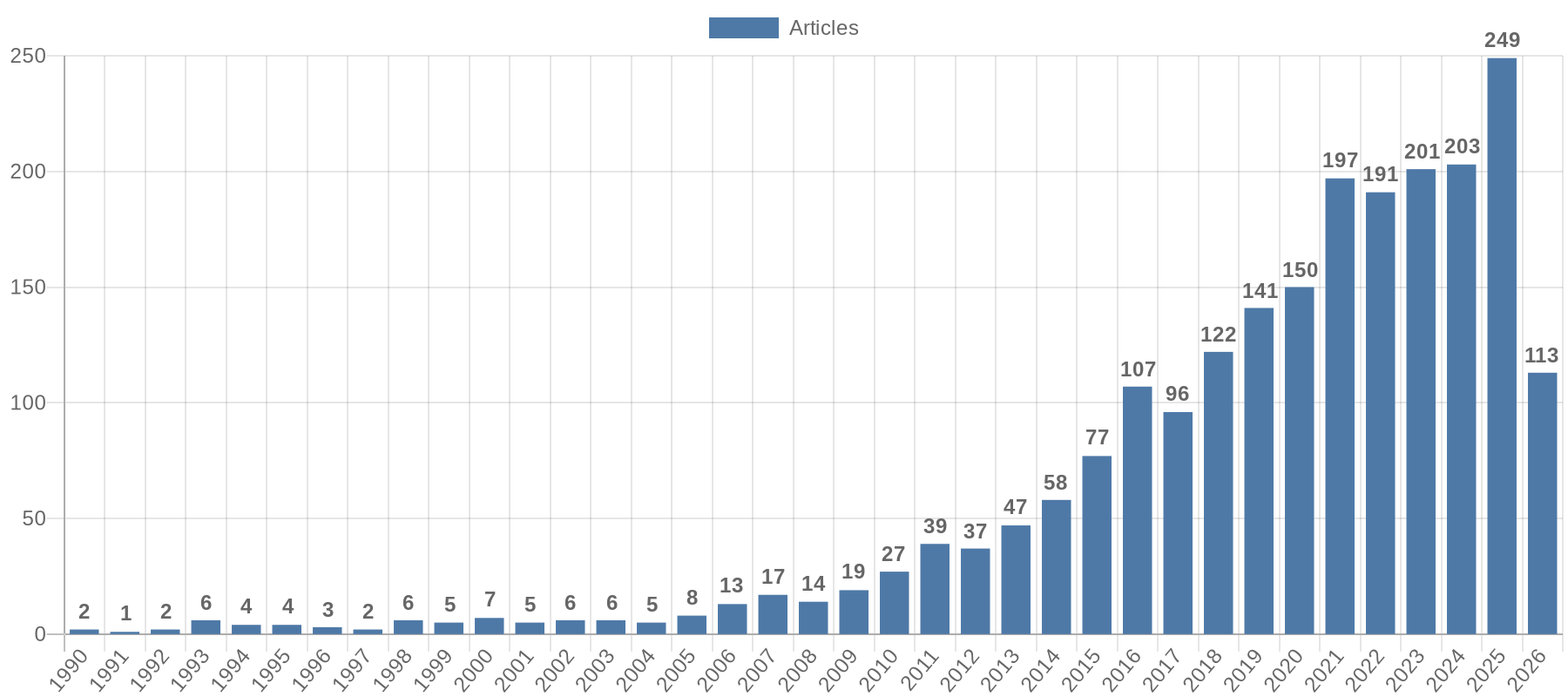
Aspiration Thrombectomy in Stroke, STEMI, Pulmonary Embolism, and DVT: Scoping Review with ☸️SAIMSARA.
Aspiration thrombectomy is not a universal “clot-removal solution”: this evidence map shows where it works best, where it fails to improve outcomes, and why stroke, STEMI, PE, DVT, and peripheral indications must be judged separately. The full read gives a clinically useful cross-territory synthesis of device choice, catheter strategy, thrombus biology, rescue techniques, safety signals, and indication-specific evidence gaps.
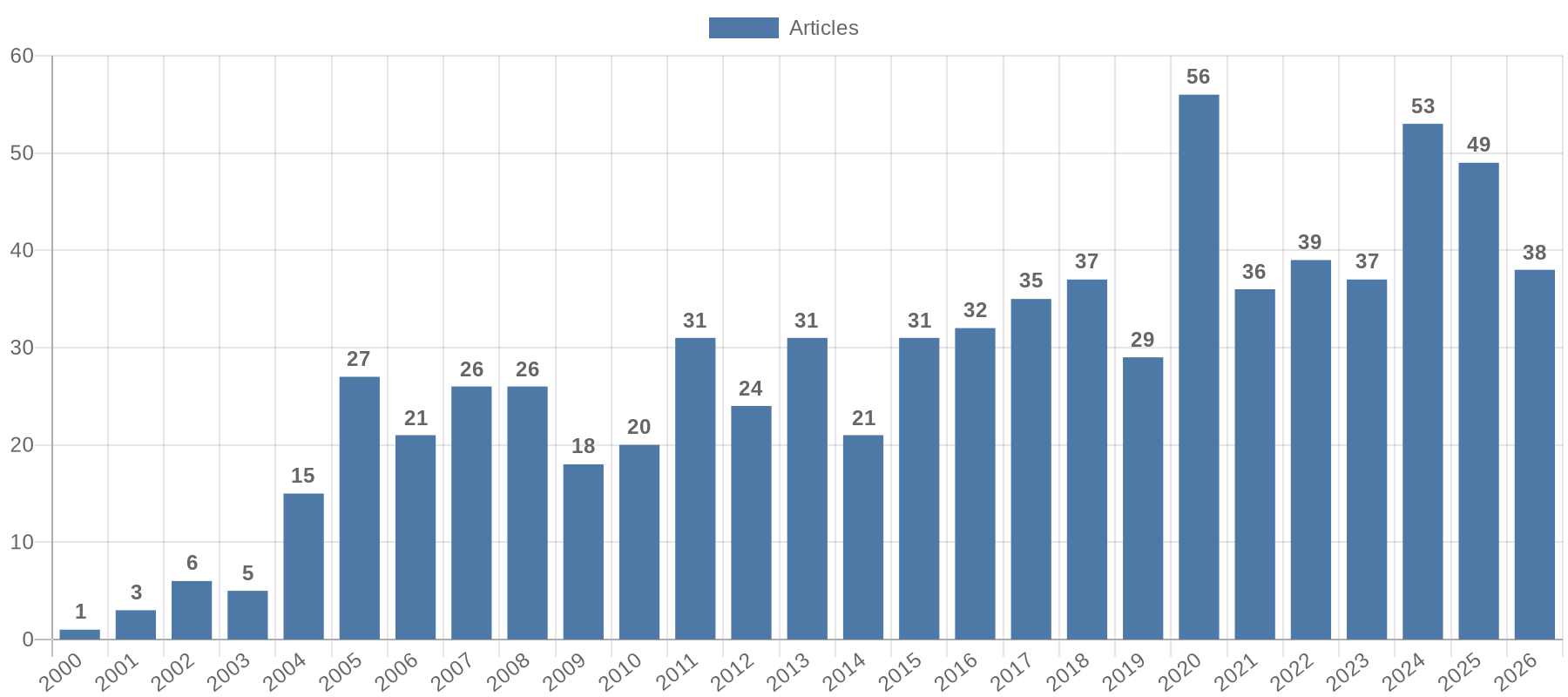
Embolic Protection Devices Across TAVR, Carotid Stenting, SVG PCI, and Peripheral Interventions: Scoping Review with ☸️SAIMSARA.
EPDs are not simply “filters”: across TAVR, carotid stenting, SVG PCI, renal, peripheral, and structural interventions, they reliably capture or deflect embolic material, but clinical benefit depends sharply on anatomy, procedure, device design, and endpoint choice. This evidence map shows where protection appears meaningful, where routine use remains unproven, and why the future of EPDs is likely selective, anatomy-informed deployment rather than universal application.

AI Cybercrime Detection, Digital Forensics, and Governance: Scoping Review with ☸️SAIMSARA.
AI cybercrime is no longer just a technical threat but a dual-use arms race: the same AI systems that scale phishing, deepfakes, fraud, and offender automation are also powering detection, forensic triage, and evidence preservation. This full evidence map shows where the strongest signals actually lie — from high-accuracy phishing and fraud detection to blockchain-backed forensics, XAI, governance gaps, and the unresolved question of whether AI-generated evidence can be trusted in real legal workflows.

AI Chatbot Emotional Dependency, Attachment, and Addiction: Scoping Review with ☸️SAIMSARA.
AI chatbots are becoming more than tools: this evidence map shows how loneliness, perceived empathy, parasocial bonding, and satisfaction can turn conversational support into emotional dependency, over-reliance, and withdrawal-like patterns. The full review separates original evidence from opinion literature and maps where the strongest signals emerge across attachment, social disconnection, Replika-style companion use, student dependency, and design strategies to reduce harm.
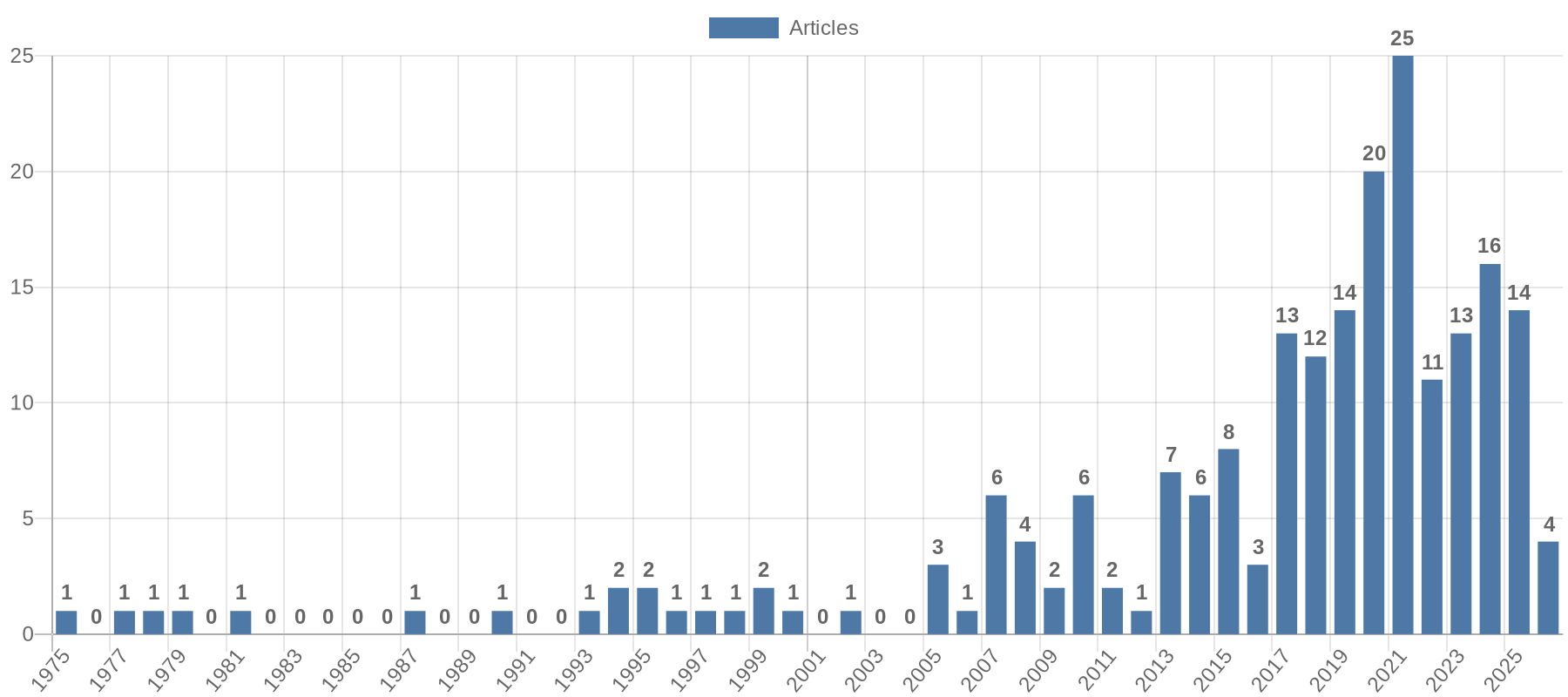
Hair Transplant Techniques from FUE and FUT to Graft Biology, Regenerative Adjuncts, and Reconstruction: Scoping Review with ☸️SAIMSARA.
Hair transplantation is no longer a simple choice between FUE and FUT, but a patient-specific technical workflow shaped by donor reserve, graft handling, recipient-site geometry, anesthesia, regenerative adjuncts, and reconstructive goals. This evidence map helps readers see which techniques are supported by original data, where survival and satisfaction signals are strongest, and where the field still needs better comparative trials.
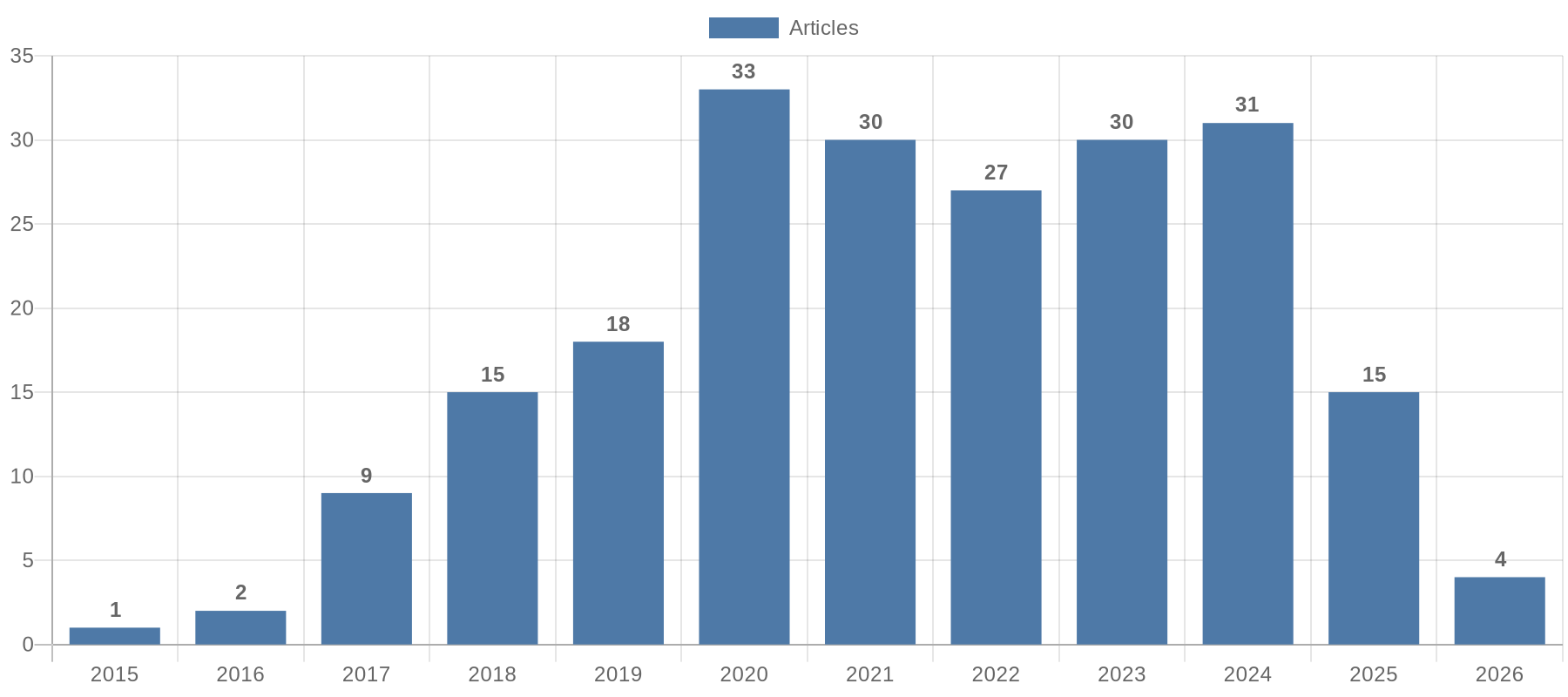
Transgender Fertility and Fertility Preservation: Scoping Review with ☸️SAIMSARA.
Transgender fertility care is not a niche issue but a recurring clinical gap: many TGD people want future parenthood, yet fertility preservation remains limited by cost, dysphoria, delayed counseling, and uneven access. The full evidence map helps readers see where fertility potential is preserved, where hormone effects remain uncertain, and how counseling, tissue/gamete preservation, ART, and inclusive care pathways should be clinically structured.