SAIMSARA Journal

Machine Generated Science • ISSN 3054-3991

AI Vision for Road Traffic Accidents: Scoping Review with ☸️SAIMSARA.

Digital Health icon

Digital Health

Issue 3, Volume 1, 2026

DOI: 10.62487/saimsara5188b0b5

Editorial note
• Last update: 2026-05-09 19:18:07
What is this paper about
AI vision is no longer only an accident-detection tool — it is becoming a full road-safety infrastructure for crash detection, driver-state monitoring, hazard surveillance, traffic enforcement, and emergency response. The full SAIMSARA evidence map gives humans and AI agents a structured, reference-linked view of 479 original studies, showing where performance is already strong and where real-world robustness, rare scenarios, and field validation remain the critical deployment gaps.
Human-verified editorial review Verified by World ID proof-of-human. This editorial layer was submitted from a SAIMSARA account verified as a unique human.

Evidence preview · Did you know?
Realistic road-safety AI scene showing emergency response after a detected traffic accident.

Crash detection can trigger response

Did you know? One system reported 98.56% accident detection, 98.25% severity classification, and emergency notification in under 5 seconds.

This turns AI vision from passive surveillance into a possible emergency-response layer.
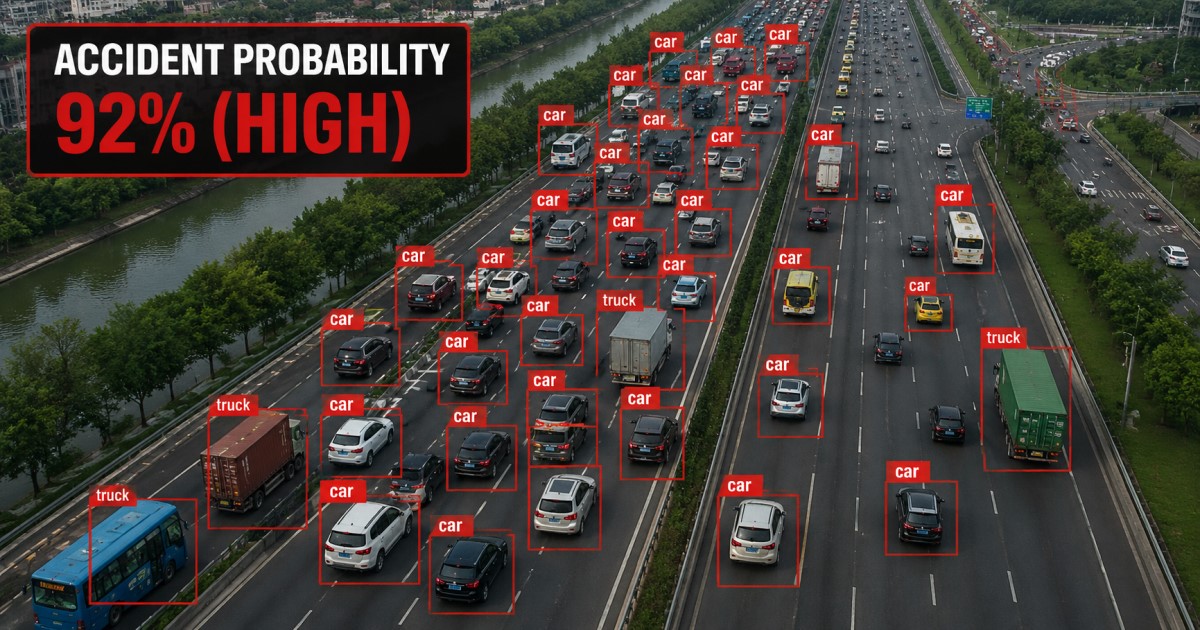
Dashcam-style AI vision scene showing vehicles, trajectories, and an imminent collision risk.

Some models look before impact

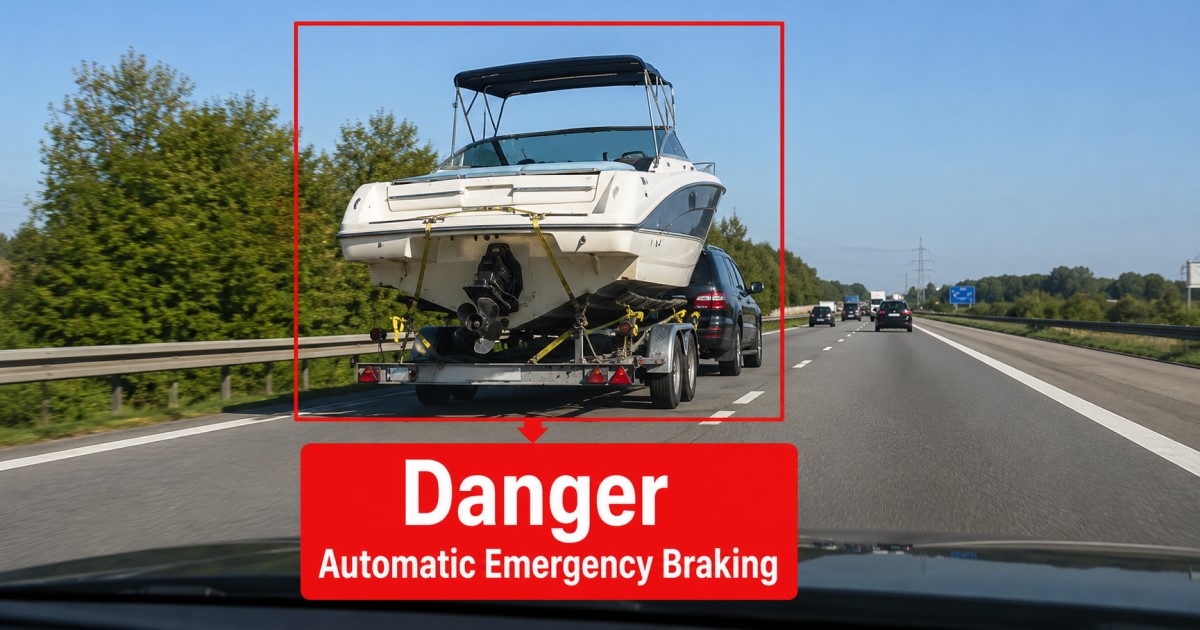
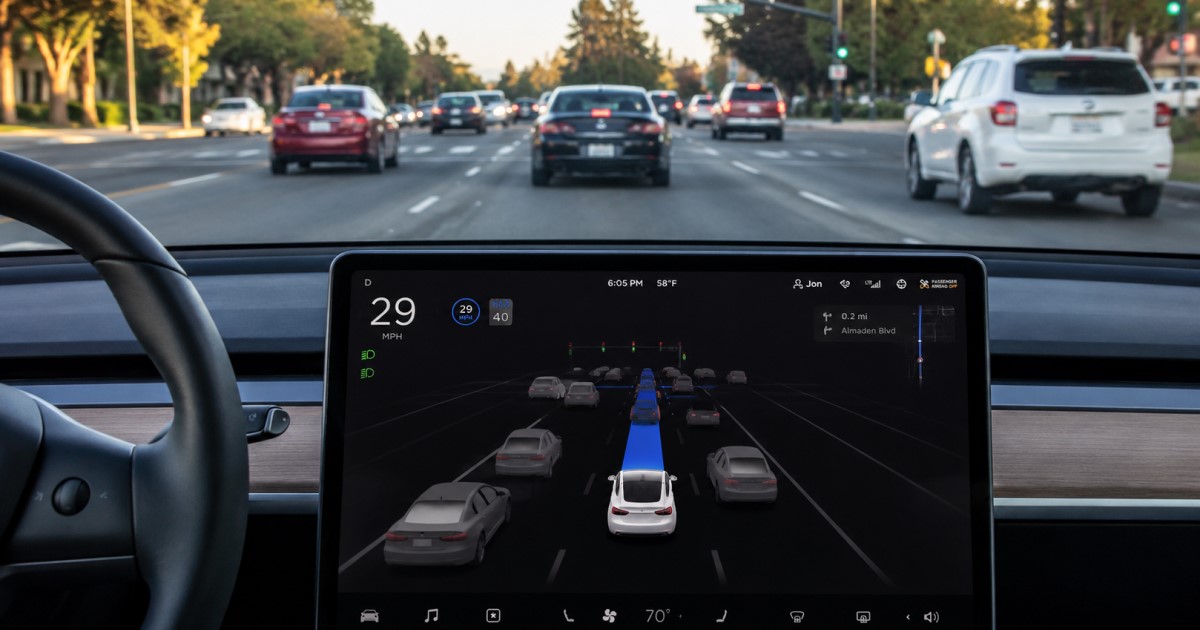
Did you know? A dashcam-based system anticipated accidents about 1.7 seconds before occurrence, with 80% recall and 71% precision.

The field is moving beyond detecting crashes after they happen toward predicting dangerous interactions before impact.

Realistic autonomous-driving safety scene with difficult weather, rare road hazards, and AI uncertainty.

Rare scenarios can break confidence

Did you know? In the CODA corner-case dataset, standard object detectors achieved no more than 12.8% mAR.

This is the critical deployment gap: high benchmark accuracy does not guarantee robustness in rare, adverse, or complex road scenes.

Swipe sideways on mobile · full evidence map opens after unlock

Abstract: To map and synthesize original research on AI vision and road traffic accidents, emphasizing the main safety functions, reported performance signals, real-world implications, and research gaps across prevention, detection, response, enforcement, and accident analysis. The review utilises 479 original studies with 171126 total reported sample units (participants/dataset items; topic deduplicated ΣN). This scoping review indicates that AI vision is emerging as a broad road-safety infrastructure spanning crash detection, driver-state monitoring, and hazard surveillance rather than a single accident-detection tool. Recurrent signals suggest strong task-level performance, including 98% surveillance-video accident detection and 94% multimodal collision detection with a 15% response-time reduction, but these results are descriptive and heterogeneous across datasets and conditions. The dominant message is that technical feasibility appears established for many narrow tasks, while robustness in rare, adverse, and adversarial scenarios remains the decisive barrier to deployment. Practically, this supports a role for AI vision in augmenting traffic monitoring, enforcement, and emergency response workflows when integrated with operational safeguards. Future research should prioritize prospective field trials measuring crash and near-miss outcomes under standardized benchmarks rather than additional accuracy-only model comparisons.

Keywords: Computer vision; Road traffic accidents; Deep learning; Object detection; Accident anticipation; Driver drowsiness; Traffic violation detection; Autonomous vehicles; YOLO models; Road safety

Review Stats

Get access to the full paper

Unlock the full evidence map

The full evidence review, including the Introduction, Methods, Results, Discussion, Conclusion, figures, and complete reference index, opens after purchase or sign-in. The Evidence Object JSON is a separate machine-readable evidence product: a concentrated synthesis of results, topic-level evidence, and discussion across original and non-original studies. It can be directly input into your LLM, agent, or RAG workflow.

Reference Index (109)