Aspiration Thrombectomy: Systematic Review with ☸️SAIMSARA.


saimsara.com Download PDF

Abstract: This paper aims to synthesize current evidence on the efficacy, safety, and procedural aspects of aspiration thrombectomy across various clinical indications, identifying key outcomes, influencing factors, and areas for future research. The review utilises 355 studies with 122918 total participants (naïve ΣN). Aspiration thrombectomy in acute ischemic stroke (AIS) demonstrates a high rate of successful recanalization, with a median of 89.3% (ranging from 50% to 100%) across various studies. This efficacy extends to non-stroke indications like pulmonary embolism and deep vein thrombosis. However, the heterogeneity of study designs, particularly the prevalence of retrospective and mixed studies, limits the certainty and generalizability of findings. Future research should focus on large-scale randomized controlled trials with standardized outcome reporting to refine treatment protocols and optimize patient selection. Clinicians should consider the benefits of larger bore catheters and combined techniques, while remaining vigilant for potential complications.

Keywords: Aspiration Thrombectomy; Acute Ischemic Stroke; Large Vessel Occlusion

Review Stats
Identification of studies via Semantic Scholar (all fields) Identification Screening Included Records identified:n=331592Records excluded:n=330592 Records assessed for eligibilityn=1000Records excluded:n=645 Studies included in reviewn=355 PRISMA Diagram generated by ☸️ SAIMSARA
⛛OSMA Triangle Effect-of Predictor → Outcome aspiration thrombectomy  →  Outcome Beneficial for patients ΣN=33271 (27%) Harmful for patients ΣN=8014 (7%) Neutral ΣN=81633 (66%) 0 ⛛OSMA Triangle generated by ☸️SAIMSARA
Show OSMA legend
Outcome-Sentiment Meta-Analysis (OSMA): (LLM-only)
Frame: Effect-of Predictor → Outcome • Source: Semantic Scholar
Outcome: Outcome Typical timepoints: 90-day, 3-mo. Reported metrics: %, CI, p.
Common endpoints: Common endpoints: complications, occlusion, functional.
Predictor: aspiration thrombectomy — exposure/predictor. Doses/units seen: 60 ml. Routes seen: intravenous, iv. Typical comparator: static aspiration, stent retriever thrombectomy, more proximal guide catheter, stent retriever-based….

  • 1) Beneficial for patients — Outcome with aspiration thrombectomy — [1], [4], [5], [6], [9], [10], [11], [12], [13], [14], [15], [16], [18], [20], [21], [22], [23], [24], [51], [52], [53], [54], [55], [56], [57], [59], [61], [64], [65], [67], [72], [73], [74], [75], [78], [79], [80], [85], [88], [91], [95], [96], [99], [100], [102], [103], [104], [105], [107], [109], [110], [111], [112], [114], [116], [117], [118], [119], [120], [121], [124], [125], [129], [145], [147], [149], [150], [226], [227], [228], [231], [232], [233], [235], [237], [238], [239], [240], [241], [243], [244], [245], [246], [247], [248], [250], [251], [252], [253], [255], [256], [257], [258], [259], [260], [261], [262], [263], [264], [265], [266], [267], [268], [269], [271], [272], [273], [274], [286], [287], [291], [296], [298], [336], [339], [342], [347], [348], [350], [354], [355] — ΣN=33271
  • 2) Harmful for patients — Outcome with aspiration thrombectomy — [19], [25], [58], [66], [87], [90], [127], [148], [242], [283], [288], [293], [294], [297], [299], [352] — ΣN=8014
  • 3) No clear effect — Outcome with aspiration thrombectomy — [2], [3], [7], [8], [17], [26], [27], [28], [29], [30], [31], [32], [33], [34], [35], [36], [37], [38], [39], [40], [41], [42], [43], [44], [45], [46], [47], [48], [49], [50], [60], [62], [63], [68], [69], [70], [71], [76], [77], [81], [82], [83], [84], [86], [89], [92], [93], [94], [97], [98], [101], [106], [108], [113], [115], [122], [123], [126], [128], [130], [131], [132], [133], [134], [135], [136], [137], [138], [139], [140], [141], [142], [143], [144], [146], [151], [152], [153], [154], [155], [156], [157], [158], [159], [160], [161], [162], [163], [164], [165], [166], [167], [168], [169], [170], [171], [172], [173], [174], [175], [176], [177], [178], [179], [180], [181], [182], [183], [184], [185], [186], [187], [188], [189], [190], [191], [192], [193], [194], [195], [196], [197], [198], [199], [200], [201], [202], [203], [204], [205], [206], [207], [208], [209], [210], [211], [212], [213], [214], [215], [216], [217], [218], [219], [220], [221], [222], [223], [224], [225], [229], [230], [234], [236], [249], [254], [270], [275], [276], [277], [278], [279], [280], [281], [282], [284], [285], [289], [290], [292], [295], [300], [301], [302], [303], [304], [305], [306], [307], [308], [309], [310], [311], [312], [313], [314], [315], [316], [317], [318], [319], [320], [321], [322], [323], [324], [325], [326], [327], [328], [329], [330], [331], [332], [333], [334], [335], [337], [338], [340], [341], [343], [344], [345], [346], [349], [351], [353] — ΣN=81633
1) Introduction
Aspiration thrombectomy (AT) is a minimally invasive endovascular procedure used to remove blood clots from occluded vessels. Initially developed for acute ischemic stroke (AIS), its application has expanded to various thrombotic conditions including pulmonary embolism (PE), acute myocardial infarction (AMI), deep vein thrombosis (DVT), and acute limb ischemia (ALI). This technique involves the use of specialized catheters to apply suction directly to the thrombus, aiming for rapid and effective recanalization. The evolution of AT devices and techniques, including advancements in catheter design, aspiration methods, and combined approaches with stent retrievers, continues to shape its efficacy and safety profile across diverse patient populations and anatomical locations.

2) Aim
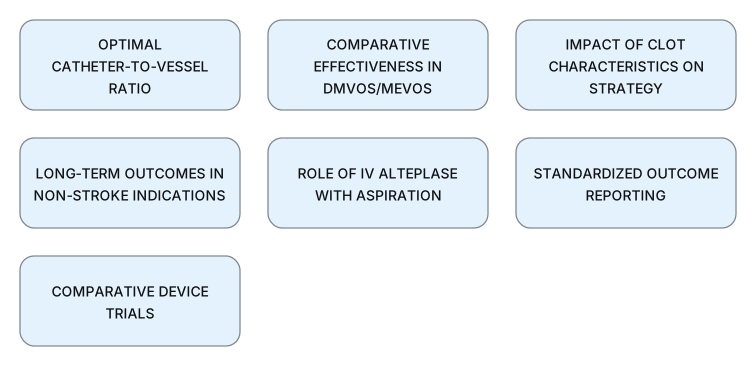
This paper aims to synthesize current evidence on the efficacy, safety, and procedural aspects of aspiration thrombectomy across various clinical indications, identifying key outcomes, influencing factors, and areas for future research.

3) Methods
Systematic review with multilayer AI research agent: keyword normalization, retrieval & structuring, and paper synthesis (see SAIMSARA About section for details).


4) Results
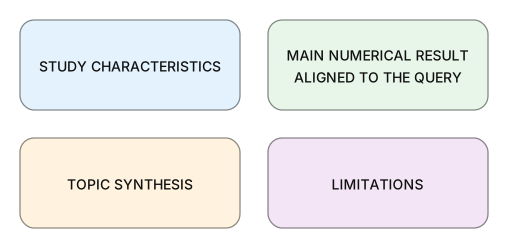
4.1 Study characteristics: The included studies comprise a diverse range of designs, predominantly mixed (combining retrospective and prospective elements or different data types) [1, 5, 7, 9, 10, 11, 12, 14, 17, 18, 19, 22, 23, 25, 26, 29, 30, 32, 33, 34, 35, 37, 38, 39, 40, 41, 42, 44, 45, 48, 49, 50, 51, 52, 53, 54, 55, 56, 57, 58, 59, 60, 61, 62, 64, 65, 66, 67, 68, 69, 70, 71, 72, 73, 74, 75, 76, 77, 78, 79, 80, 81, 82, 83, 84, 85, 86, 87, 88, 89, 90, 91, 92, 93, 94, 95, 96, 97, 98, 99, 100, 101, 102, 103, 104, 105, 107, 108, 109, 110, 111, 112, 113, 114, 115, 116, 117, 119, 121, 122, 123, 124, 127, 128, 129, 130, 131, 132, 133, 134, 135, 136, 137, 138, 139, 140, 141, 142, 143, 144, 145, 146, 147, 148, 149, 150, 151, 156, 158, 161, 162, 163, 164, 166, 167, 169, 170, 171, 172, 173, 174, 175, 176, 177, 178, 179, 180, 181, 182, 183, 184, 185, 186, 187, 188, 189, 191, 192, 193, 194, 195, 196, 197, 198, 200, 201, 202, 203, 204, 205, 207, 208, 209, 210, 211, 212, 213, 214, 215, 216, 217, 218, 219, 220, 221, 222, 223, 224, 225, 226, 227, 228, 229, 230, 231, 232, 233, 234, 235, 236, 237, 238, 239, 240, 241, 243, 244, 245, 246, 247, 248, 249, 250, 251, 252, 253, 254, 255, 256, 257, 258, 259, 261, 262, 263, 264, 265, 266, 267, 269, 270, 271, 272, 273, 274, 275, 276, 277, 278, 279, 280, 282, 283, 284, 287, 288, 290, 291, 295, 296, 297, 298, 299, 300, 301, 302, 303, 305, 306, 307, 309, 311, 312, 313, 314, 315, 316, 317, 318, 319, 320, 321, 322, 323, 324, 325, 326, 327, 328, 329, 330, 331, 332, 333, 334, 335, 336, 337, 338, 339, 340, 341, 343, 344, 345, 346, 347, 348, 349, 350, 351, 352, 353, 354, 355], cohort [4, 6, 13, 15, 16, 20, 21, 24, 36, 37, 38, 40, 41, 44, 45, 46, 47, 49, 50, 53, 54, 55, 58, 59, 66, 67, 74, 75, 79, 80, 85, 86, 87, 90, 95, 96, 97, 99, 100, 101, 102, 103, 104, 105, 108, 109, 110, 111, 113, 114, 115, 116, 119, 120, 121, 123, 125, 126, 127, 129, 132, 133, 134, 135, 139, 141, 142, 147, 148, 149, 152, 153, 154, 155, 156, 158, 161, 162, 163, 165, 166, 168, 183, 188, 189, 190, 191, 192, 196, 197, 198, 200, 201, 204, 205, 206, 207, 208, 209, 210, 212, 213, 214, 216, 217, 219, 220, 222, 223, 226, 227, 230, 231, 233, 237, 239, 240, 241, 242, 243, 244, 245, 247, 250, 251, 252, 255, 256, 257, 258, 259, 260, 262, 263, 265, 266, 267, 268, 270, 274, 280, 285, 286, 287, 290, 291, 293, 294, 295, 296, 301, 302, 303, 304, 305, 307, 308, 311, 312, 313, 315, 318, 320, 323, 325, 326, 32
32, 336, 337, 338, 339, 340, 341, 342, 343, 344, 345, 346, 347, 348, 349, 350, 351, 352, 353, 354, 355]. Randomized controlled trials (RCTs) [2, 3, 28, 51, 56, 63, 118, 130, 131, 138, 151, 159, 160, 169, 201, 205, 233, 234, 268, 275, 279, 281, 285, 288, 289, 310] and experimental/synthetic/simulation studies [8, 22, 27, 31, 140, 167, 172, 173, 174, 175, 176, 181, 184, 187, 193, 194, 195, 199, 211, 218, 224, 228, 236, 238, 249, 264, 269, 282, 283, 284, 306, 314, 319, 329, 345] are also included. Populations studied range from acute ischemic stroke (AIS) patients with large vessel occlusions (LVOs) [3, 10, 18, 32, 33, 36, 38, 40, 42, 44, 47, 50, 55, 56, 58, 59, 75, 78, 80, 85, 87, 90, 95, 96, 97, 99, 100, 102, 104, 105, 108, 109, 111, 112, 113, 114, 116, 118, 119, 120, 121, 125, 127, 129, 139, 141, 142, 147, 148, 150, 153, 154, 155, 158, 162, 163, 165, 183, 185, 188, 189, 191, 192, 197, 198, 200, 201, 203, 204, 205, 206, 207, 208, 209, 210, 212, 213, 214, 216, 217, 219, 220, 221, 222, 223, 226, 227, 230, 232, 233, 234, 237, 238, 239, 240, 241, 242, 243, 244, 245, 247, 251, 252, 253, 256, 257, 259, 260, 262, 263, 268, 270, 274, 275, 280, 285, 286, 287, 292, 294, 295, 302, 303, 304, 305, 307, 308, 311, 312, 313, 315, 318, 320, 321, 323, 324, 325, 326, 327, 328, 342, 343, 344, 345, 346, 347, 348, 349, 350, 351, 355] and distal/medium vessel occlusions (DMVOs/MeVOs) [1, 9, 16, 21, 23, 49, 53, 67, 110, 115, 123, 126, 145, 149, 156, 158, 161, 163, 183, 187, 189, 192, 200, 202, 255, 301, 337, 318, 321] to pulmonary embolism (PE) [4, 13, 29, 30, 43, 48, 57, 68, 82, 128, 235, 265, 266, 297], acute myocardial infarction (AMI)/STEMI [11, 28, 46, 51, 62, 63, 66, 130, 136, 138, 143, 151, 152, 157, 168, 178, 180, 182, 229, 279, 281, 288, 289, 299, 310, 317, 330, 352, 354], deep vein thrombosis (DVT) [34, 52, 61, 69, 89, 106, 131, 137, 166, 171, 250, 266, 291], and acute limb ischemia (ALI) [25, 83, 91, 146, 164, 231, 248]. Follow-up periods vary widely, from immediate post-procedure or discharge to 30 days, 90 days, or even several years.

4.2 Main numerical result aligned to the query:
Across studies focusing on acute ischemic stroke (AIS) and reporting successful recanalization (defined as modified Thrombolysis in Cerebral Infarction (mTICI) 2b-3 or 2c-3), the median rate was 89.3% [80], with a range from 50% [53] to 100% [111, 185, 263, 287, 301]. For first-pass effect (FPE), also in AIS, the median rate was 53% [12, 188], ranging from 11.8% [213] to 100% [107, 194]. Good functional outcome (modified Rankin Scale (mRS) ≤2) at 90 days in AIS patients showed a median of 50.6% [2], with a range from 17.7% [213] to 96.8% [301]. For pulmonary embolism (PE), technical success rates were high, with a reported 96.9% [4] and 100% [266] in different studies. In acute limb ischemia (ALI), primary technical success was 90.8% [164], but amputation-free survival was worse with aspiration mechanical thrombectomy (88.4% vs 95.3%) [25].

4.3 Topic synthesis:


5) Discussion
5.1 Principal finding: Aspiration thrombectomy (AT) in acute ischemic stroke (AIS) demonstrates a high rate of successful recanalization, with a median of 89.3% (ranging from 50% to 100%) across various studies [80], indicating its robust technical efficacy in restoring blood flow.

5.2 Clinical implications:


5.3 Research implications / key gaps:


5.4 Limitations:


5.5 Future directions:


6) Conclusion
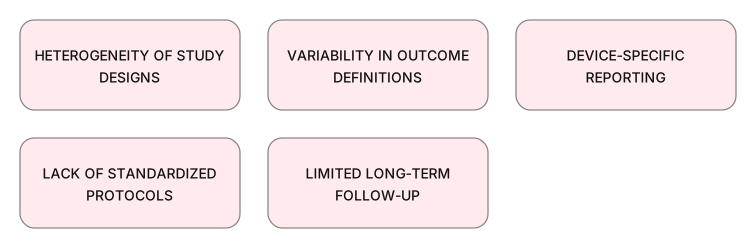
Aspiration thrombectomy in acute ischemic stroke (AIS) demonstrates a high rate of successful recanalization, with a median of 89.3% (ranging from 50% to 100%) across various studies [80]. This efficacy extends to non-stroke indications like pulmonary embolism and deep vein thrombosis. However, the heterogeneity of study designs, particularly the prevalence of retrospective and mixed studies, limits the certainty and generalizability of findings. Future research should focus on large-scale randomized controlled trials with standardized outcome reporting to refine treatment protocols and optimize patient selection. Clinicians should consider the benefits of larger bore catheters and combined techniques, while remaining vigilant for potential complications.

References
SAIMSARA Session Index — session.json

Figure 1. Publication-year distribution of included originals

Figure 2. Study-design distribution of included originals
Figure 2. Study-design distribution

Figure 3. Study-type (directionality) distribution of included originals
Figure 3. Directionality distribution

Figure 4. Main extracted research topics
Figure 4. Main extracted research topics (Results)

Figure 5. Limitations of current studies (topics)

Figure 6. Future research directions (topics)