
SAIMSARA Journal

Machine Generated Science • ISSN 3054-3991

Female Gender and Life Expectancy: Systematic Review with ☸️SAIMSARA.

Longevity icon

Longevity & Public Health

Issue 2, Volume 1, 2026

DOI: 10.62487/saimsara8c3bca03

Editorial note
• Last update: 2026-03-28 15:45:05
What is this paper about
This paper shows that women usually live longer than men, but that extra survival often comes with more years lived with disability, multimorbidity, and reduced independence rather than more healthy years. The full paper is worth reading because it shows where the female advantage remains strong, where it weakens, and which conditions and life circumstances most clearly explain the difference

Evidence preview · Did you know?
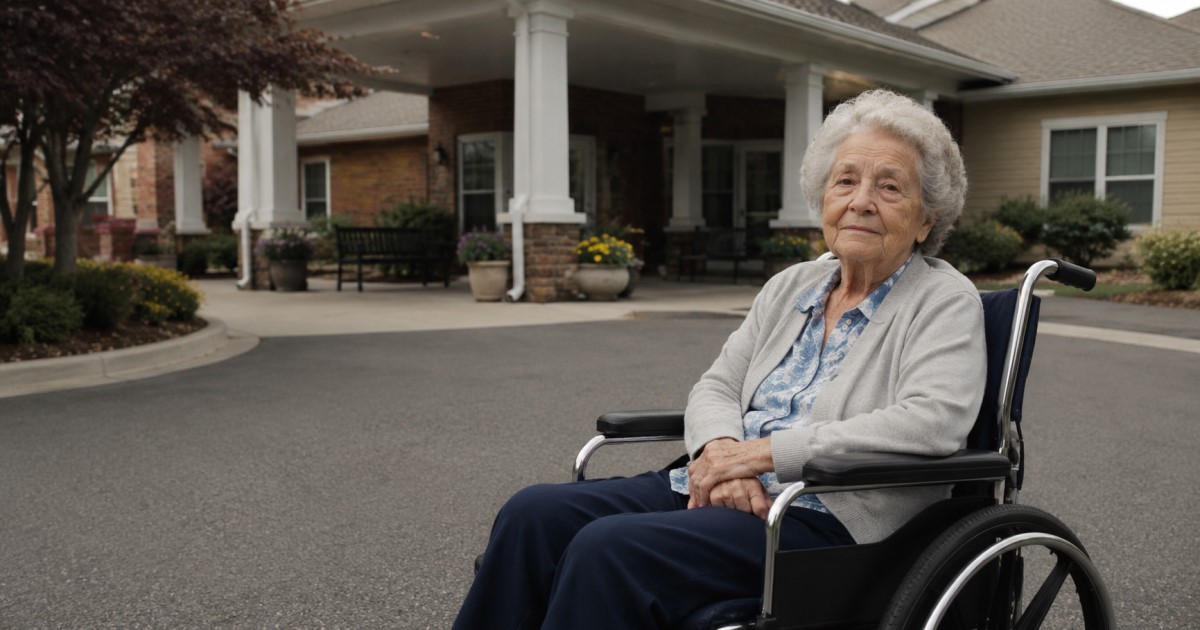
Realistic medical-science scene showing older women across generations in a longevity context.

Women live longer — but not always better

Did you know? Female life expectancy advantage at birth ranged from 3.9 to 7.6 years across global regions.

The evidence map starts with a familiar survival advantage, then shows why the meaning of that advantage is more complex.


Realistic clinical analytics scene showing an older woman, health records, and multimorbidity signals.

The hidden health paradox

Did you know? Females spent more years with multimorbidity than males: 10.77 vs 8.93 years.

Longer survival can mean more years lived with disability, frailty, dependency, or lower-quality health states.

Realistic public-health scene showing women, healthcare access, social inequality, and longevity policy.

The advantage is not guaranteed

Did you know? In Germany, the female life-expectancy gap between deprivation groups widened from 1.1 to 1.8 years.

Female longevity is shaped not only by biology, but also by poverty, healthcare access, disease burden, and gendered social conditions.

Swipe sideways on mobile · full evidence map opens after unlock

Abstract: To systematically review the scientific literature concerning female gender and life expectancy, identifying key trends, influencing factors, and associated health outcomes across diverse global populations and clinical conditions. The review utilises 771 original studies with 16636946 total participants (ΣN). This systematic review indicates that female gender is generally associated with a higher overall life expectancy, with reported sex gaps at birth often ranging from approximately 3.9 to 7.6 years. However, this longevity advantage frequently coexists with a morbidity burden consistent with the female health paradox, with women often spending more years living with multimorbidity, disability, or reduced independence despite longer total survival. The evidence also suggests that this female advantage is not uniform across conditions, as selected cardiometabolic, cardiovascular, HIV, and neurodevelopmental contexts showed narrower gaps or signals of excess female mortality or life-expectancy loss. These findings support sex-responsive prevention and care strategies aimed not only at extending lifespan but also at preserving healthy and independent years. Future research should prioritize harmonized definitions of healthy life expectancy and clarify the biological, clinical, and social mechanisms underlying situations in which the usual female survival advantage is reduced or reversed.

Keywords: Life expectancy; Gender differences; Mortality risk; Healthy life expectancy; Sex disparities; Longevity; Chronic disease burden; Disability-free life expectancy; Social determinants of health; Multimorbidity

Review Stats

Get access to the full paper

Unlock the full evidence map

The full evidence review, including the Introduction, Methods, Results, Discussion, Conclusion, figures, and complete reference index, opens after purchase or sign-in. The Evidence Object JSON is a separate machine-readable evidence product: a concentrated synthesis of results, topic-level evidence, and discussion across original and non-original studies. It can be directly input into your LLM, agent, or RAG workflow.

Reference Index (111)