

SAIMSARA Journal

Machine Generated Science • ISSN 3054-3991

Sauna and Health: Scoping Review with ☸️SAIMSARA.

Longevity icon

Longevity & Public Health

Issue 2, Volume 1, 2026

DOI: 10.62487/saimsarae7c389fb

Editorial note
• Last update: 2026-03-21 22:28:42
What is this paper about
Sauna is far more than a relaxation ritual: this review maps where the strongest evidence links regular sauna use to lower cardiovascular, stroke, hypertension, dementia, and respiratory risk—and where real safety limits, drug interactions, and vulnerable populations change the picture. Read the full paper to see which benefits are supported best, which risks are clinically relevant, and why sauna may deserve a place in modern preventive medicine.

Evidence preview · Did you know?
Realistic wellness and cardiovascular health scene with an adult resting after sauna bathing.

Heat exposure tracks with survival

Did you know? Sauna bathing 4–7 times per week was linked to a 37% lower risk of sudden cardiac death and a 62% lower risk of new-onset stroke.

The strongest signal is not cosmetic wellness, but cardiovascular and neurological risk reduction.

Realistic calm sauna recovery scene suggesting brain health and long-term wellbeing.

The brain-health signal is striking

Did you know? Frequent sauna use was associated with 66% lower dementia risk and 65% lower Alzheimer’s disease risk.

This makes sauna one of the more surprising lifestyle signals in the mapped health evidence.

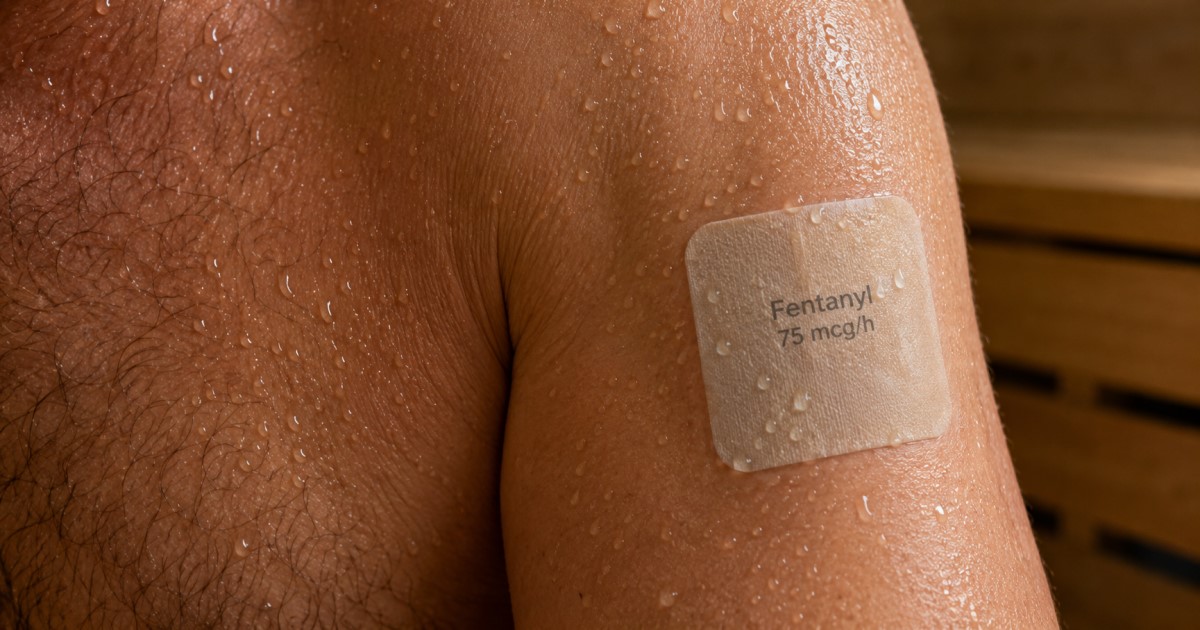
Realistic medical safety scene showing heat exposure risk awareness near sauna use.

Sauna can amplify medication risk

Did you know? Sauna heat can increase absorption of transdermal drugs, including nicotine, glyceryl trinitrate, and fentanyl patches.

The evidence map also flags the safety side: heat, drugs, alcohol, cardiovascular disease, and bathing alone can change the risk profile.

Swipe sideways on mobile · full evidence map opens after unlock

Abstract: The aim of this paper is to systematically review and synthesize the available evidence on the health effects, both beneficial and adverse, of sauna bathing in human populations, identifying key findings, clinical implications, and future research directions. The review utilises 519 original studies with 541510 total participants (topic deduplicated ΣN). Across the mapped evidence, frequent sauna bathing shows a consistent signal of lower major cardiometabolic and neurological risk, including associations such as a 37% lower risk of sudden cardiac death with 4–7 sessions/week versus 1 session/week and a 62% lower risk of new-onset stroke with higher frequency use. Regular use was also associated with a 46% reduced risk of incident hypertension and substantially lower risks of dementia and Alzheimer’s disease in key cohorts, supporting sauna as a potentially meaningful adjunct to lifestyle-based risk reduction rather than a stand-alone therapy. Beyond prevention signals, repeated heat therapy (including Waon therapy) appears to support symptom and functional improvement in chronic heart failure and selected chronic pain conditions, while mechanistic findings align with vascular and neuroendocrine stress-response pathways. Practical implementation should foreground safety: avoid alcohol and solitary prolonged exposure, and counsel patients about heat-amplified absorption of transdermal drugs (notably nicotine, nitrates, and fentanyl) and condition-specific risks such as hypoglycemia with insulin use and reversible impairment of spermatogenesis. Future research should prioritize diverse, well-controlled dose–response trials and prospective safety studies that standardize sauna protocols and clarify which populations and clinical indications derive the most benefit with the least risk.

Keywords: Cardiovascular health; Sudden cardiac death; Blood pressure; Endurance performance; Stroke risk; Dementia; Pain relief; Immune function; Drug absorption; Sauna safety

Review Stats

Get access to the full paper

Unlock the full evidence map

The full evidence review, including the Introduction, Methods, Results, Discussion, Conclusion, figures, and complete reference index, opens after purchase or sign-in. The Evidence Object JSON is a separate machine-readable evidence product: a concentrated synthesis of results, topic-level evidence, and discussion across original and non-original studies. It can be directly input into your LLM, agent, or RAG workflow.

Reference Index (116)