Systematic Review vs Scoping Review: Systematic Review with ☸️SAIMSARA.


DOI: 10.62487/saimsara32ffe7cd


saimsara.com Download PDF

Abstract: To synthesize themes and numerical findings from extracted literature to delineate the characteristics, applications, and methodological considerations of systematic reviews and scoping reviews, and to identify key research gaps. The review utilises 440 studies with 187411 total participants (naïve ΣN). This paper synthesizes the current understanding of systematic reviews and scoping reviews, highlighting their distinct yet complementary roles in evidence synthesis. Scoping reviews are instrumental in mapping nascent or complex fields, clarifying concepts, and identifying research gaps, often serving as a precursor to more focused systematic reviews. In specific contexts, systematic reviews appear more frequently, with a median of 17.5 systematic reviews compared to 4 scoping reviews identified in umbrella reviews. A key limitation is the lack of direct comparative studies on the methodological efficacy of these review types. Future research should prioritize comparative methodological studies and the development of standardized reporting guidelines to enhance the rigor and utility of both systematic and scoping reviews in advancing scientific knowledge and informing practice.

Keywords: Scoping review; Systematic scoping review; Rapid review; Review methodology; Reporting guidelines; Evidence synthesis; Knowledge gaps; Review automation

Review Stats
Identification of studies via Semantic Scholar (all fields) Identification Screening Included Records identified:n=38818Records excluded:n=37818 Records assessed for eligibilityn=1000Records excluded:n=560 Studies included in reviewn=440 PRISMA Diagram generated by ☸️ SAIMSARA
⛛OSMA Triangle Head-to-Head (A vs B) systematic review vs scoping review — Outcome Legend: “Favours systematic review” = left edge, “Favours scoping review” = right edge; “Neutral” = vertical. Favours systematic review ΣN=0 (0%) Favours scoping review ΣN=0 (0%) Neutral ΣN=187411 (100%) 0 ⛛OSMA Triangle generated by ☸️SAIMSARA
Show OSMA legend
Outcome-Sentiment Meta-Analysis (OSMA): (LLM-only)
Frame: Head-to-Head (A vs B) • Source: Semantic Scholar
Comparators: A = systematic review; B = scoping review
Outcome: Outcome Typical timepoints: peri/post-op, 5-day. Reported metrics: %, CI, p.
Common endpoints: Common endpoints: complications, mortality, qol.
Predictor: systematic review vs scoping review — exposure/predictor. Routes seen: oral, topical, sc.

  • 1) A favored (systematic review) — Outcome with systematic review vs scoping review — — — ΣN=0
  • 2) B favored (scoping review) — Outcome with systematic review vs scoping review — — — ΣN=0
  • 3) Neutral (no difference) — Outcome with systematic review vs scoping review — [1], [2], [3], [4], [5], [6], [7], [8], [9], [10], [11], [12], [13], [14], [15], [16], [17], [18], [19], [20], [21], [22], [23], [24], [25], [26], [27], [28], [29], [30], [31], [32], [33], [34], [35], [36], [37], [38], [39], [40], [41], [42], [43], [44], [45], [46], [47], [48], [49], [50], [51], [52], [53], [54], [55], [56], [57], [58], [59], [60], [61], [62], [63], [64], [65], [66], [67], [68], [69], [70], [71], [72], [73], [74], [75], [76], [77], [78], [79], [80], [81], [82], [83], [84], [85], [86], [87], [88], [89], [90], [91], [92], [93], [94], [95], [96], [97], [98], [99], [100], [101], [102], [103], [104], [105], [106], [107], [108], [109], [110], [111], [112], [113], [114], [115], [116], [117], [118], [119], [120], [121], [122], [123], [124], [125], [126], [127], [128], [129], [130], [131], [132], [133], [134], [135], [136], [137], [138], [139], [140], [141], [142], [143], [144], [145], [146], [147], [148], [149], [150], [151], [152], [153], [154], [155], [156], [157], [158], [159], [160], [161], [162], [163], [164], [165], [166], [167], [168], [169], [170], [171], [172], [173], [174], [175], [176], [177], [178], [179], [180], [181], [182], [183], [184], [185], [186], [187], [188], [189], [190], [191], [192], [193], [194], [195], [196], [197], [198], [199], [200], [201], [202], [203], [204], [205], [206], [207], [208], [209], [210], [211], [212], [213], [214], [215], [216], [217], [218], [219], [220], [221], [222], [223], [224], [225], [226], [227], [228], [229], [230], [231], [232], [233], [234], [235], [236], [237], [238], [239], [240], [241], [242], [243], [244], [245], [246], [247], [248], [249], [250], [251], [252], [253], [254], [255], [256], [257], [258], [259], [260], [261], [262], [263], [264], [265], [266], [267], [268], [269], [270], [271], [272], [273], [274], [275], [276], [277], [278], [279], [280], [281], [282], [283], [284], [285], [286], [287], [288], [289], [290], [291], [292], [293], [294], [295], [296], [297], [298], [299], [300], [301], [302], [303], [304], [305], [306], [307], [308], [309], [310], [311], [312], [313], [314], [315], [316], [317], [318], [319], [320], [321], [322], [323], [324], [325], [326], [327], [328], [329], [330], [331], [332], [333], [334], [335], [336], [337], [338], [339], [340], [341], [342], [343], [344], [345], [346], [347], [348], [349], [350], [351], [352], [353], [354], [355], [356], [357], [358], [359], [360], [361], [362], [363], [364], [365], [366], [367], [368], [369], [370], [371], [372], [373], [374], [375], [376], [377], [378], [379], [380], [381], [382], [383], [384], [385], [386], [387], [388], [389], [390], [391], [392], [393], [394], [395], [396], [397], [398], [399], [400], [401], [402], [403], [404], [405], [406], [407], [408], [409], [410], [411], [412], [413], [414], [415], [416], [417], [418], [419], [420], [421], [422], [423], [424], [425], [426], [427], [428], [429], [430], [431], [432], [433], [434], [435], [436], [437], [438], [439], [440] — ΣN=187411
1) Introduction
Systematic reviews and scoping reviews represent distinct yet complementary methodologies within evidence synthesis, each serving unique research objectives. While systematic reviews typically aim to answer specific, focused questions by critically appraising and synthesizing all relevant evidence, scoping reviews are generally broader in scope, designed to map existing literature, identify knowledge gaps, clarify concepts, or inform future research [1, 86, 157, 201, 298, 321, 333, 336, 426]. Despite their differing purposes, confusion regarding their application and methodological distinctions persists [201, 298, 321]. This paper explores the landscape of these review types, their characteristics, and their applications, drawing insights from a diverse body of literature.

2) Aim
To synthesize themes and numerical findings from extracted literature to delineate the characteristics, applications, and methodological considerations of systematic reviews and scoping reviews, and to identify key research gaps.

3) Methods
Systematic review with multilayer AI research agent: keyword normalization, retrieval & structuring, and paper synthesis (see SAIMSARA About section for details).


4) Results
4.1 Study characteristics: The extracted literature primarily comprises systematic reviews and scoping reviews, often referred to as systematic scoping reviews (SSR), with a notable number of mixed-design studies. Many studies do not specify a particular study design (N/A). Populations and settings are highly diverse, frequently focusing on health-related contexts such as mental health, healthcare workers, specific patient groups (e.g., adolescents, older adults, cancer patients), and digital health interventions. Follow-up periods are often not specified for the reviews themselves, but primary studies within these reviews can have follow-up durations, such as 1.5 years for psychological well-being in children during the COVID-19 pandemic [137].

4.2 Main numerical result aligned to the query:
In specific contexts where both systematic reviews and scoping reviews were identified within a larger synthesis, the number of systematic reviews was notably higher than scoping reviews. For instance, one umbrella review identified 20 systematic reviews and 4 scoping reviews [260], while another assessment for treatment recommendations involved 15 systematic reviews and 4 scoping reviews [440]. Across these instances, the median number of systematic reviews identified was 17.5 (range 15–20), compared to a median of 4 (range 4–4) for scoping reviews.

4.3 Topic synthesis:


5) Discussion
5.1 Principal finding: In specific contexts where both systematic reviews and scoping reviews were identified within a larger synthesis, systematic reviews were more frequently observed, with a median of 17.5 (range 15–20) systematic reviews compared to a median of 4 (range 4–4) scoping reviews [260, 440]. This suggests a higher prevalence or perhaps a more established role for systematic reviews in synthesizing evidence for specific recommendations.

5.2 Clinical implications:


5.3 Research implications / key gaps:


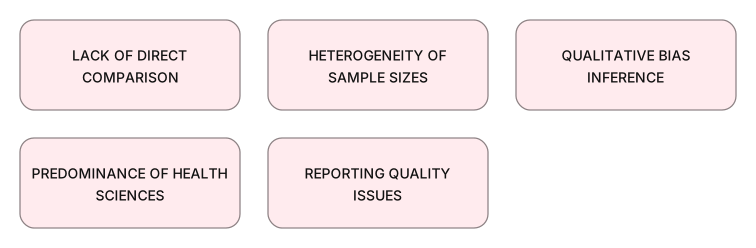
5.4 Limitations:


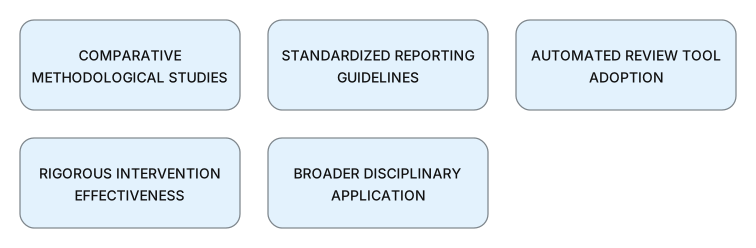
5.5 Future directions:


6) Conclusion
This paper synthesizes the current understanding of systematic reviews and scoping reviews, highlighting their distinct yet complementary roles in evidence synthesis. Scoping reviews are instrumental in mapping nascent or complex fields, clarifying concepts, and identifying research gaps, often serving as a precursor to more focused systematic reviews. In specific contexts, systematic reviews appear more frequently, with a median of 17.5 systematic reviews compared to 4 scoping reviews identified in umbrella reviews [260, 440]. A key limitation is the lack of direct comparative studies on the methodological efficacy of these review types. Future research should prioritize comparative methodological studies and the development of standardized reporting guidelines to enhance the rigor and utility of both systematic and scoping reviews in advancing scientific knowledge and informing practice.

References
SAIMSARA Session Index — session.json

Figure 1. Publication-year distribution of included originals

Figure 2. Study-design distribution of included originals
Figure 2. Study-design distribution

Figure 3. Study-type (directionality) distribution of included originals
Figure 3. Directionality distribution

Figure 4. Main extracted research topics
Figure 4. Main extracted research topics (Results)

Figure 5. Limitations of current studies (topics)

Figure 6. Future research directions (topics)