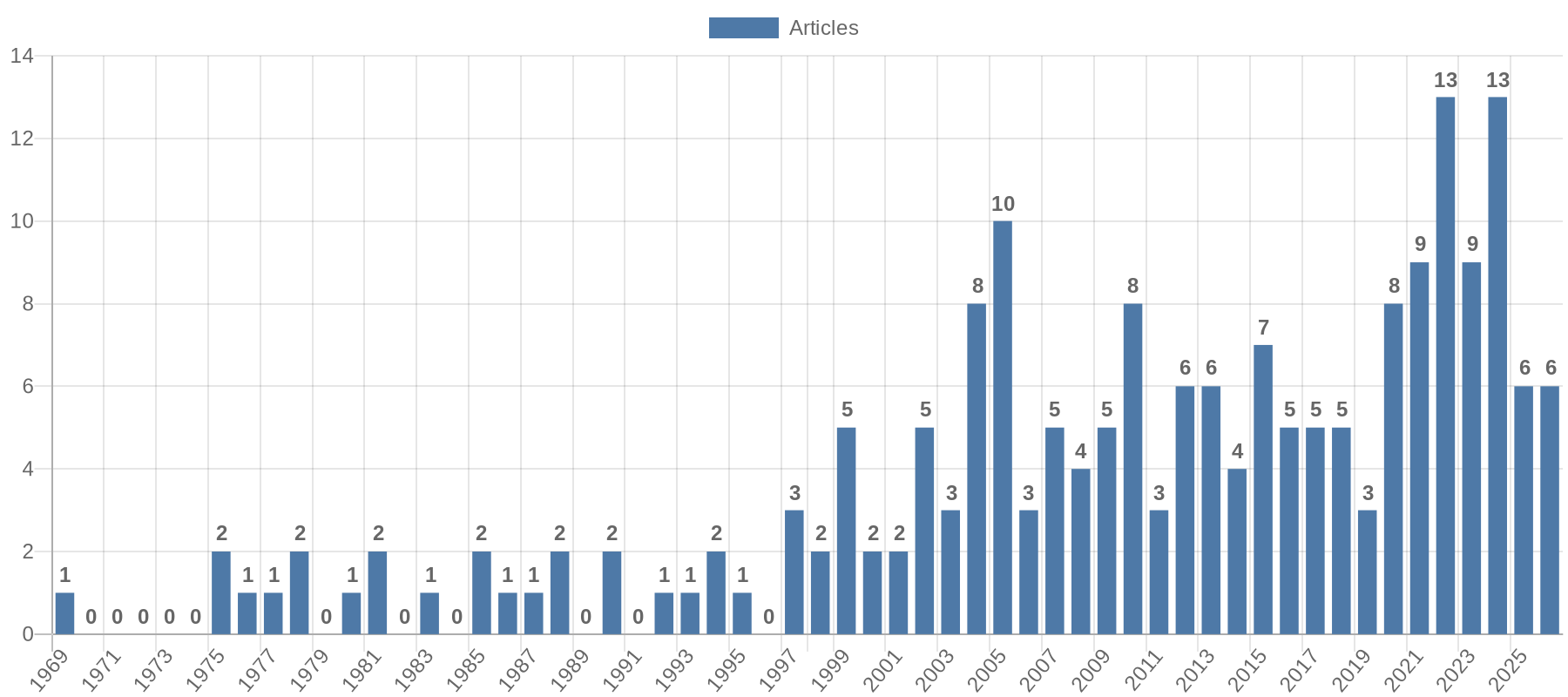
Varicose Veins Prevalence and Risk Factors: Scoping Review with ☸️SAIMSARA.
Varicose veins are not a cosmetic footnote: this evidence map shows a highly variable global burden shaped by age, sex, BMI, family history, pregnancy, and standing-intensive work, with prevalence ranging from rare in some rural populations to over 70% in nursing cohorts. The full SAIMSARA human-readable review and machine-readable JSON provide structured, reference-linked evidence across 174 original studies and 1,652,112 participants, covering prevalence, occupational risk, thrombotic associations, venous reflux, genetics, and underrepresented population gaps.

Hantavirus Infection: Scoping Review with ☸️SAIMSARA.
Hantavirus infection is not just a rare rodent-borne fever: this evidence map shows it as a multisystem vascular infection driven by ecology, endothelial dysfunction, thrombocytopenia, and renal or cardiopulmonary injury. The full SAIMSARA paper and machine-readable JSON provide structured, reference-linked evidence across 1,084 original studies, covering diagnosis, exposure risk, Andes-virus transmission, severity markers, One Health surveillance, and the still-unproven therapeutic frontier.
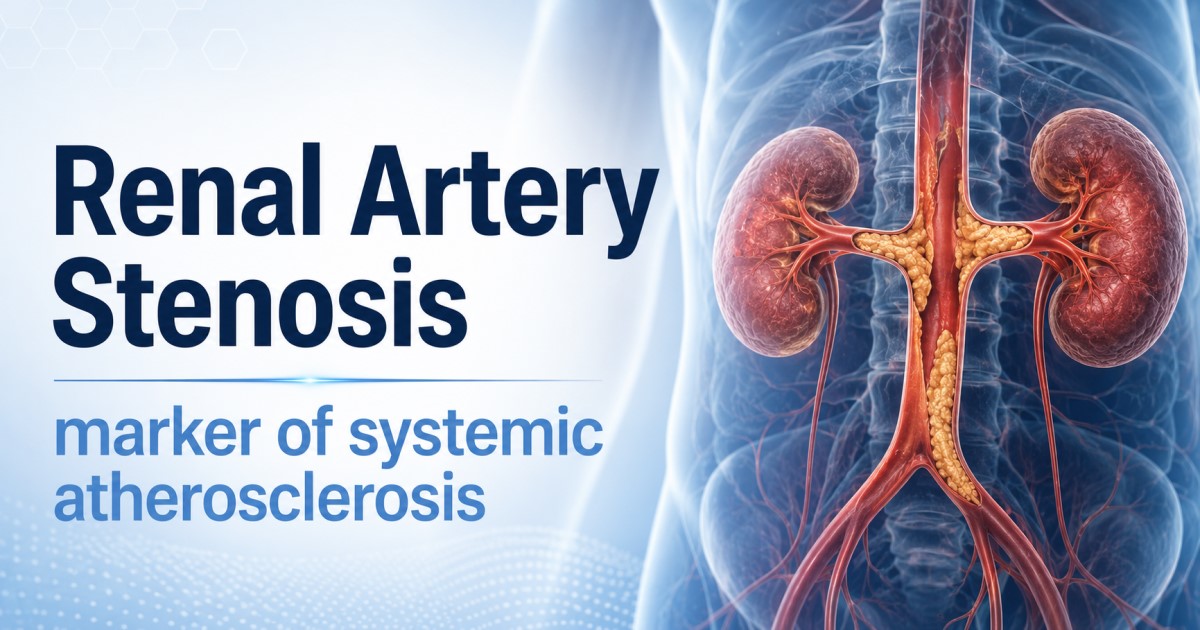
Renal Artery Stenosis: Scoping Review with ☸️SAIMSARA.
Renal artery stenosis is not a simple “stent or no stent” disease: this map separates broad neutral randomized evidence from the high-risk phenotypes where revascularization may still matter. The full SAIMSARA evidence map gives clinicians and AI agents a structured, reference-linked view of prevalence, imaging accuracy, medical therapy, physiology-guided selection, transplant/pediatric RAS, and remaining gaps.
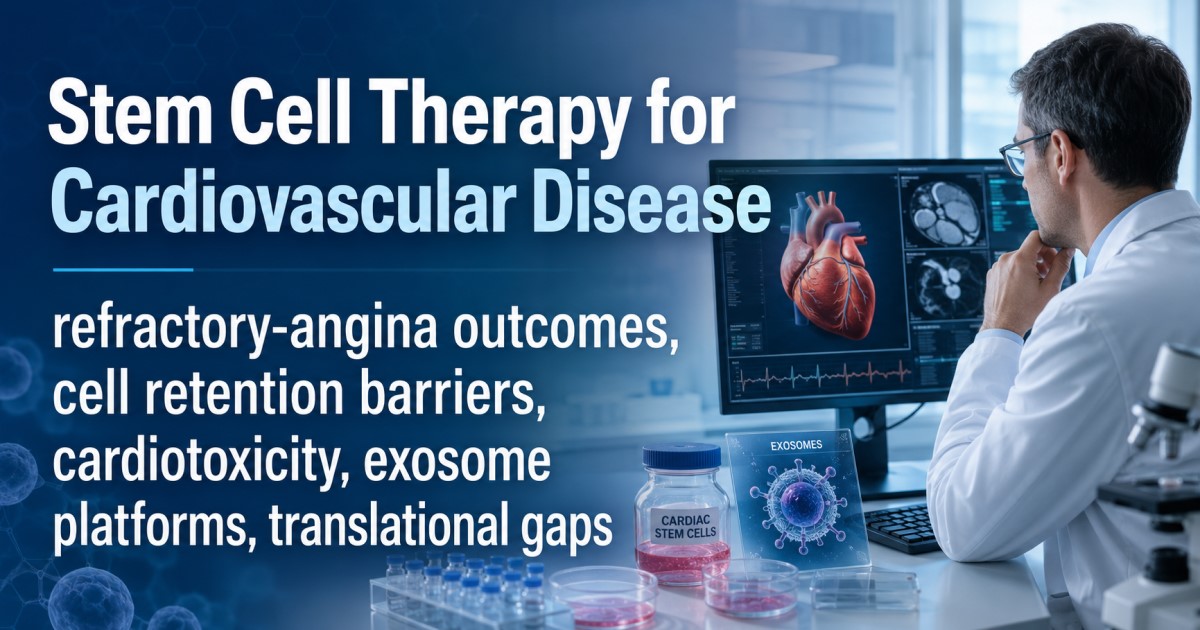
Stem Cell Therapy for Cardiovascular Disease, Heart Failure, and Refractory Angina: Scoping Review with ☸️SAIMSARA.
Stem cell therapy for cardiovascular disease is biologically compelling but clinically heterogeneous: this map separates the strongest human signals from protocol-only, preclinical, safety, and mechanistic evidence. The full SAIMSARA evidence map gives humans and AI agents a structured, reference-linked view of LVEF signals, refractory-angina outcomes, cell retention barriers, HSCT cardiotoxicity, exosome platforms, and the translational gaps still blocking routine clinical use.
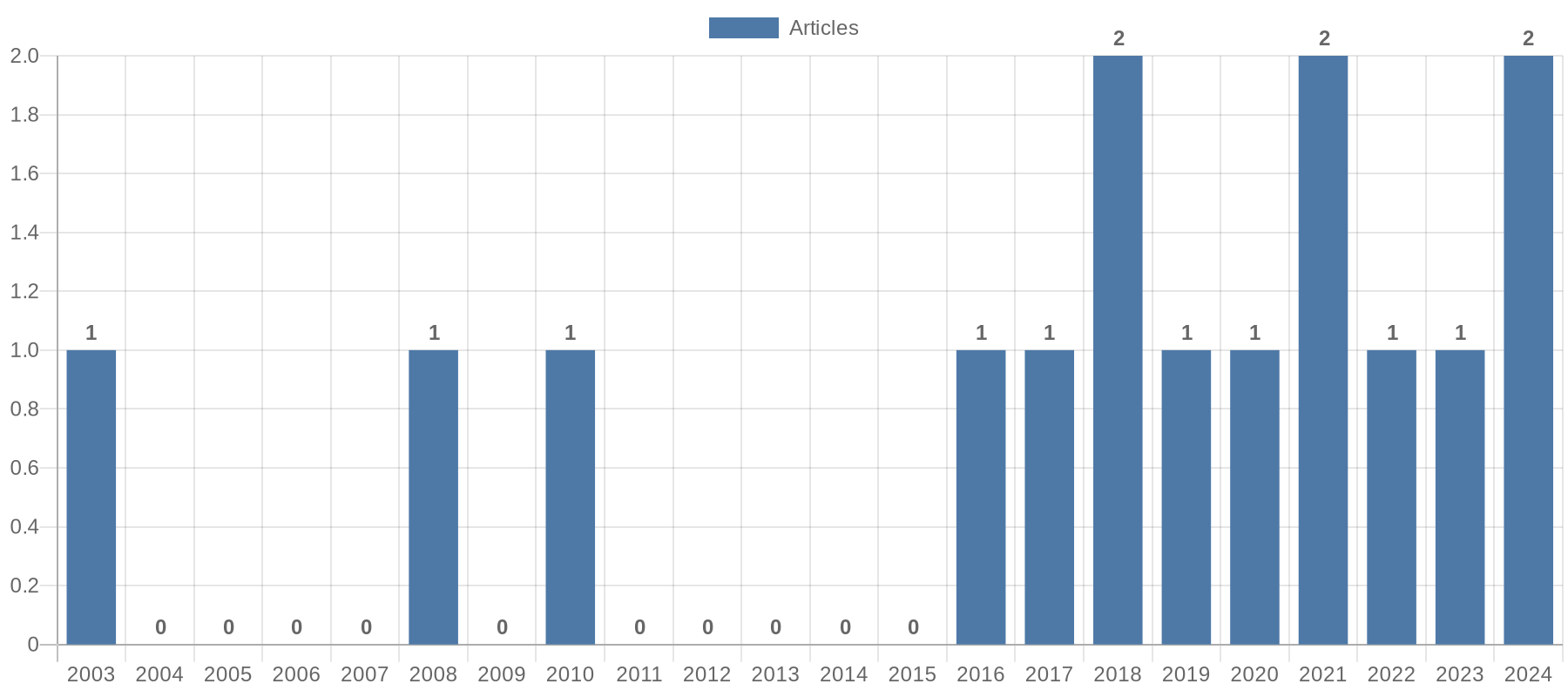
Popliteal Artery Aneurysm Prevalence and Screening: Scoping Review with ☸️SAIMSARA.
Popliteal artery aneurysm is rare in the general population, but the signal changes sharply in AAA/SAA cohorts, where targeted screening may reveal clinically important bilateral and systemic aneurysmal disease. The full SAIMSARA evidence map gives humans and AI agents a structured, reference-linked view of prevalence, sex-specific presentation, co-prevalence, and emerging biological risk signals.
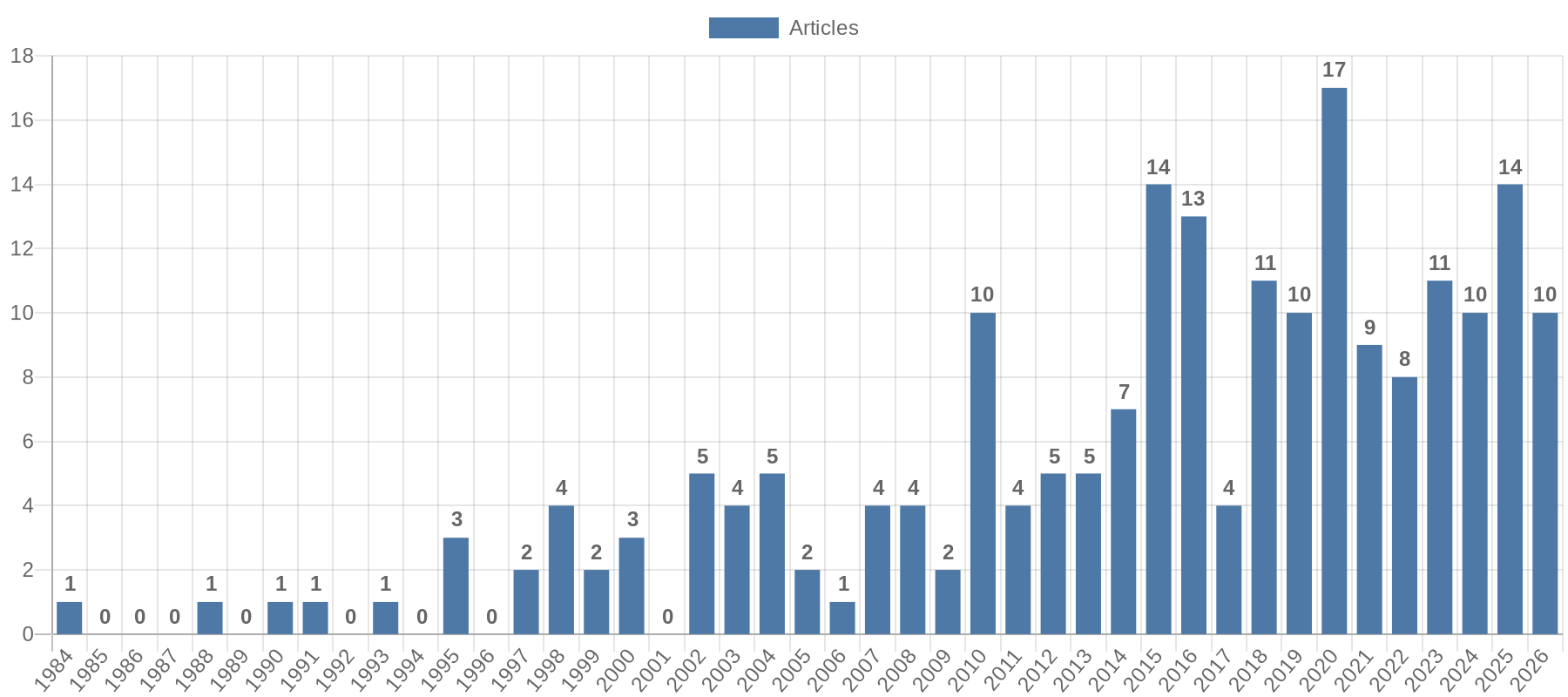
Popliteal Artery Aneurysm Treatment: Scoping Review with ☸️SAIMSARA.
Popliteal artery aneurysm treatment is more than open vs endovascular repair: outcome depends on conduit, approach, runoff, thrombus burden, acuity, and sex-specific risk. The full SAIMSARA evidence map gives humans and AI agents a structured, reference-linked view of 188 original studies and the key treatment signals.
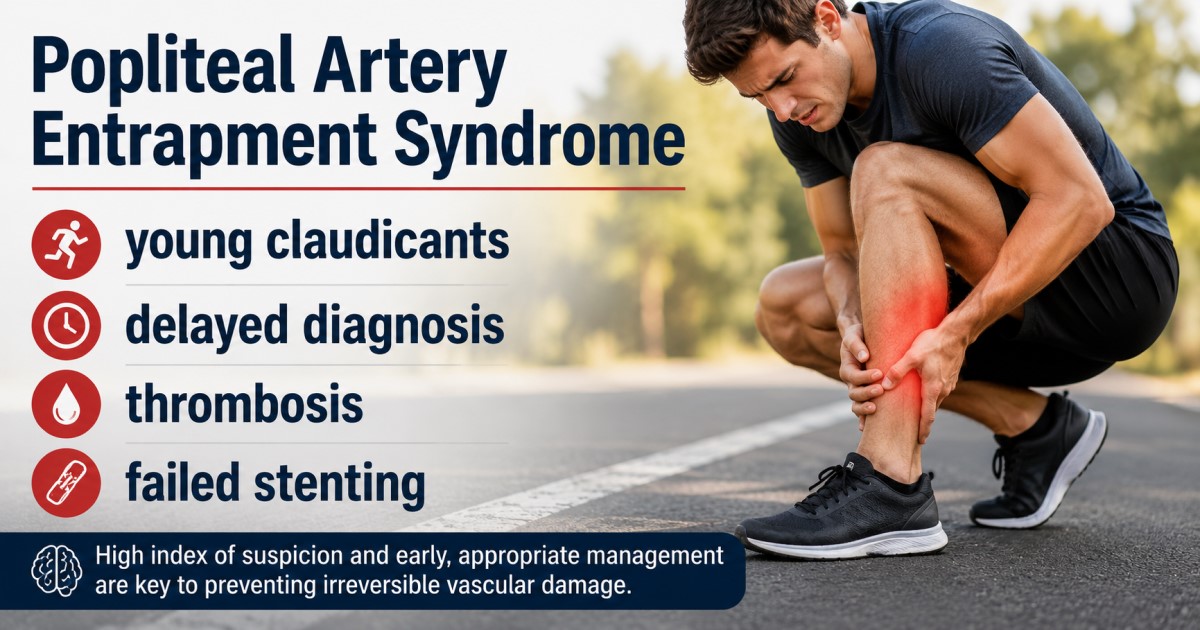
Popliteal Artery Entrapment Syndrome (PAES): Scoping Review with ☸️SAIMSARA.
PAES is a high-stakes diagnosis in young exertional claudicants: early recognition and musculotendinous release can preserve long-term patency, while delayed diagnosis may lead to thrombosis, grafting, or failed stenting. The full SAIMSARA evidence map gives humans and AI agents a structured, reference-linked view of 227 original studies, separating anatomical PAES, functional PAES, dynamic diagnostics, surgical outcomes, botulinum toxin evidence, CECS overlap, and unresolved classification gaps.
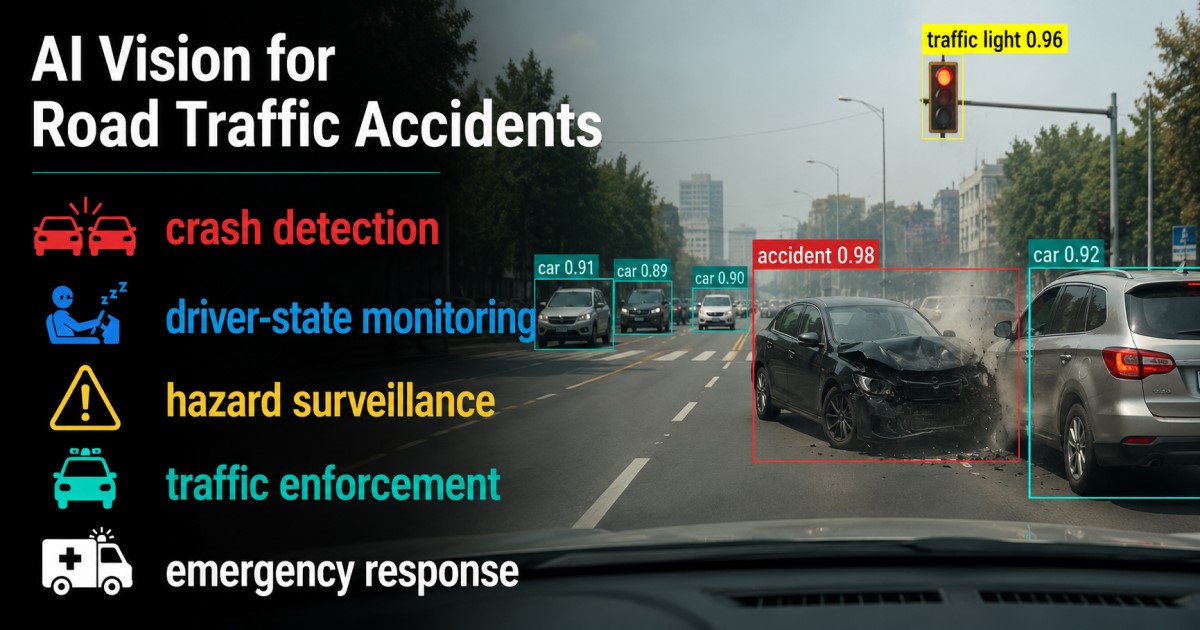
AI Vision for Road Traffic Accidents: Scoping Review with ☸️SAIMSARA.
AI vision is no longer only an accident-detection tool — it is becoming a full road-safety infrastructure for crash detection, driver-state monitoring, hazard surveillance, traffic enforcement, and emergency response. The full SAIMSARA evidence map gives humans and AI agents a structured, reference-linked view of 479 original studies, showing where performance is already strong and where real-world robustness, rare scenarios, and field validation remain the critical deployment gaps.
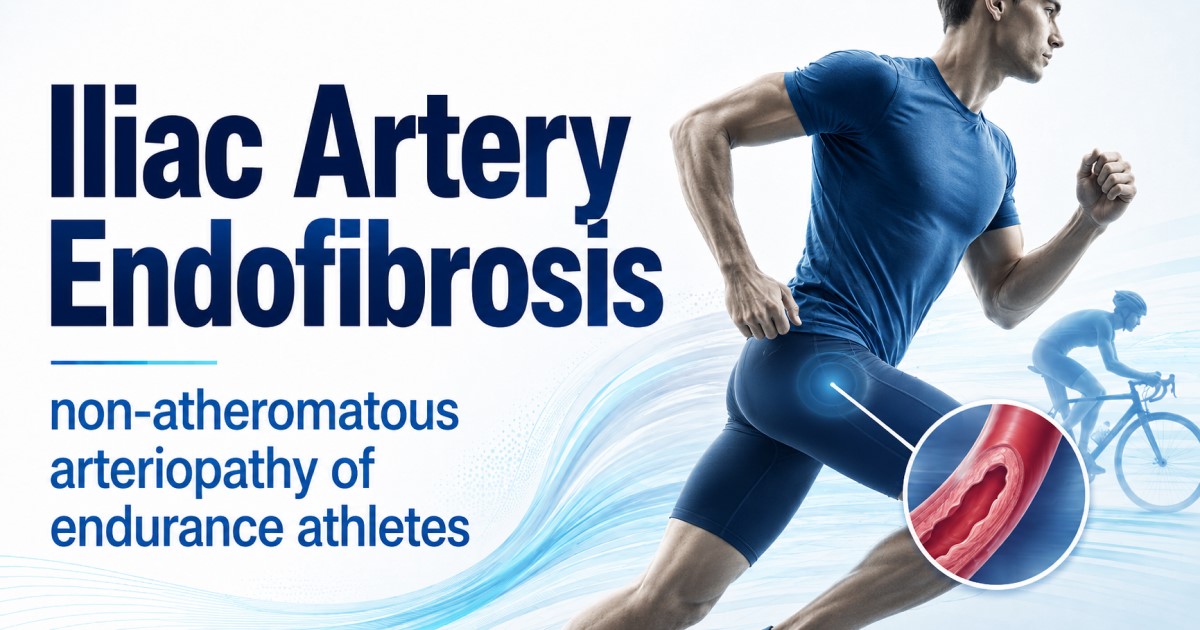
Iliac Artery Endofibrosis: Scoping Review with ☸️SAIMSARA.
Iliac artery endofibrosis is a hidden performance-limiting vascular disease of endurance athletes, often missed by resting tests but revealed by post-exercise hemodynamics and dynamic imaging. The full SAIMSARA evidence map gives clinicians, researchers, and LLM agents a structured, reference-linked view of diagnosis, mechanisms, open surgery, endovascular limits, and return-to-sport outcomes — ready for human reading and machine reasoning.
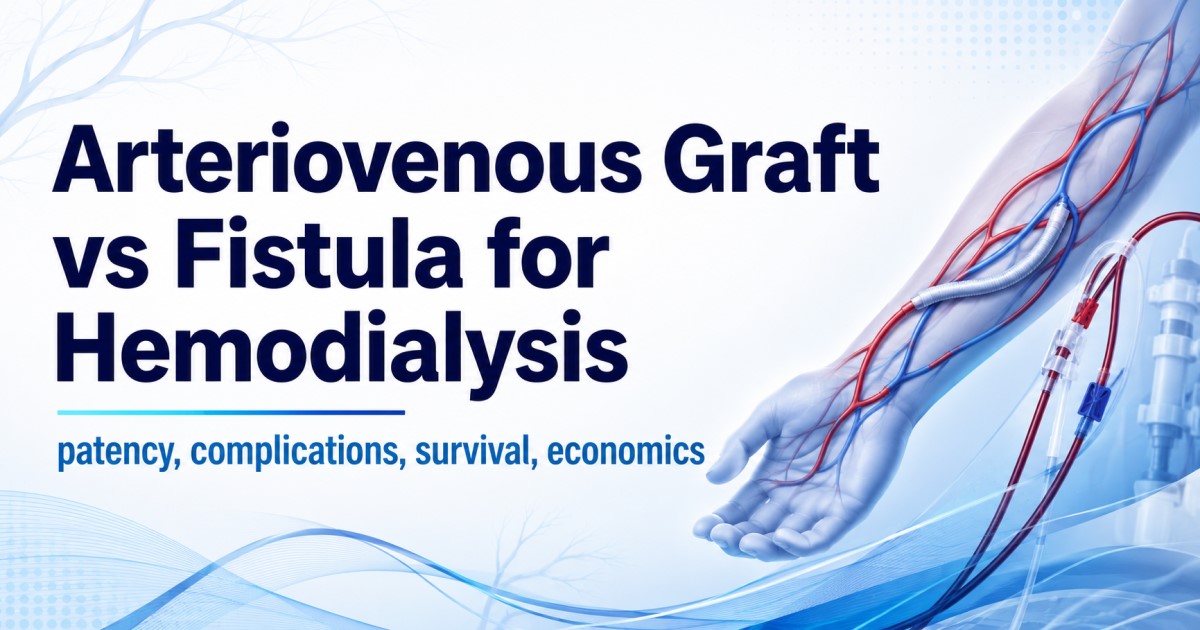
Arteriovenous Graft vs Fistula for Hemodialysis Access: Scoping Review with ☸️SAIMSARA.
This SAIMSARA review maps 261 original studies comparing AVF and AVG for hemodialysis access, showing where fistulas dominate on durability, infection, mortality, and cost — and where grafts may be clinically preferable for frail, catheter-dependent, or poor-vein patients. The full evidence map gives humans and LLMs a structured, reference-linked view of patency, complications, survival, economics, patient subgroups, and access-selection trade-offs — ready for clinical reading, reasoning, and machine-readable evidence use.
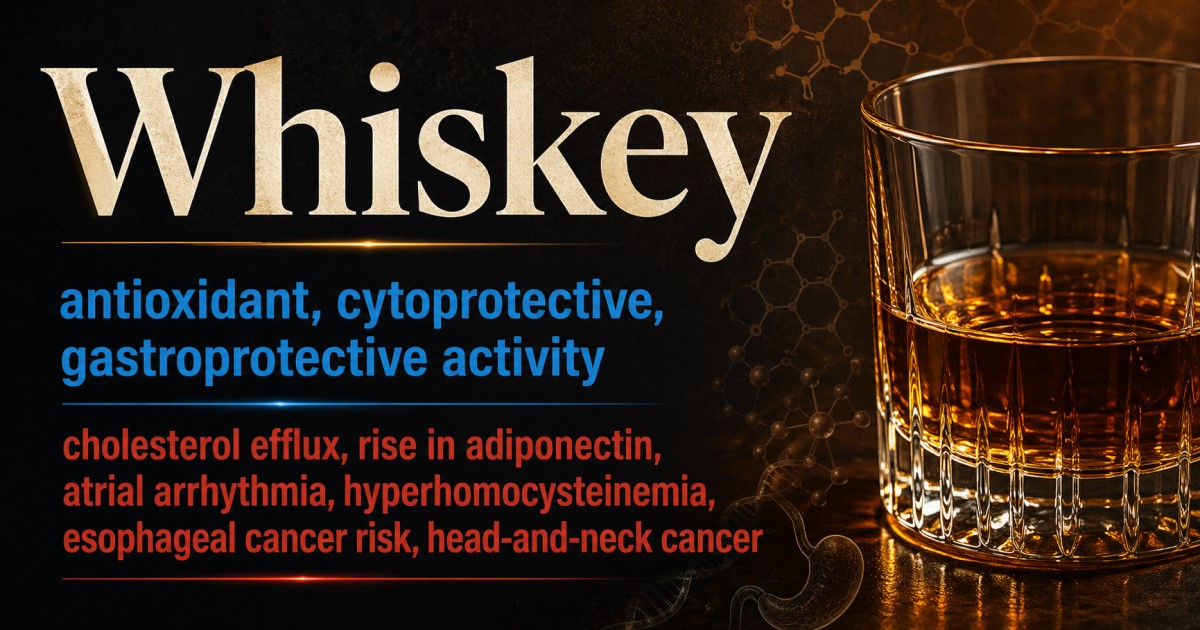
Whiskey and Health: Scoping Review with ☸️SAIMSARA.
Whiskey is not simply “alcohol in a glass”: this review maps a striking split between oak-derived congeners with measurable antioxidant, metabolic, and gastroprotective signals, and clear ethanol-related risks including arrhythmia, mucosal injury, pregnancy-related developmental harm, and upper aerodigestive cancer. The full paper is worth reading because it separates biomarker-level promise from clinically relevant harm, showing where whiskey differs mechanistically from beer or wine — and where those differences still do not prove real-world health benefit.
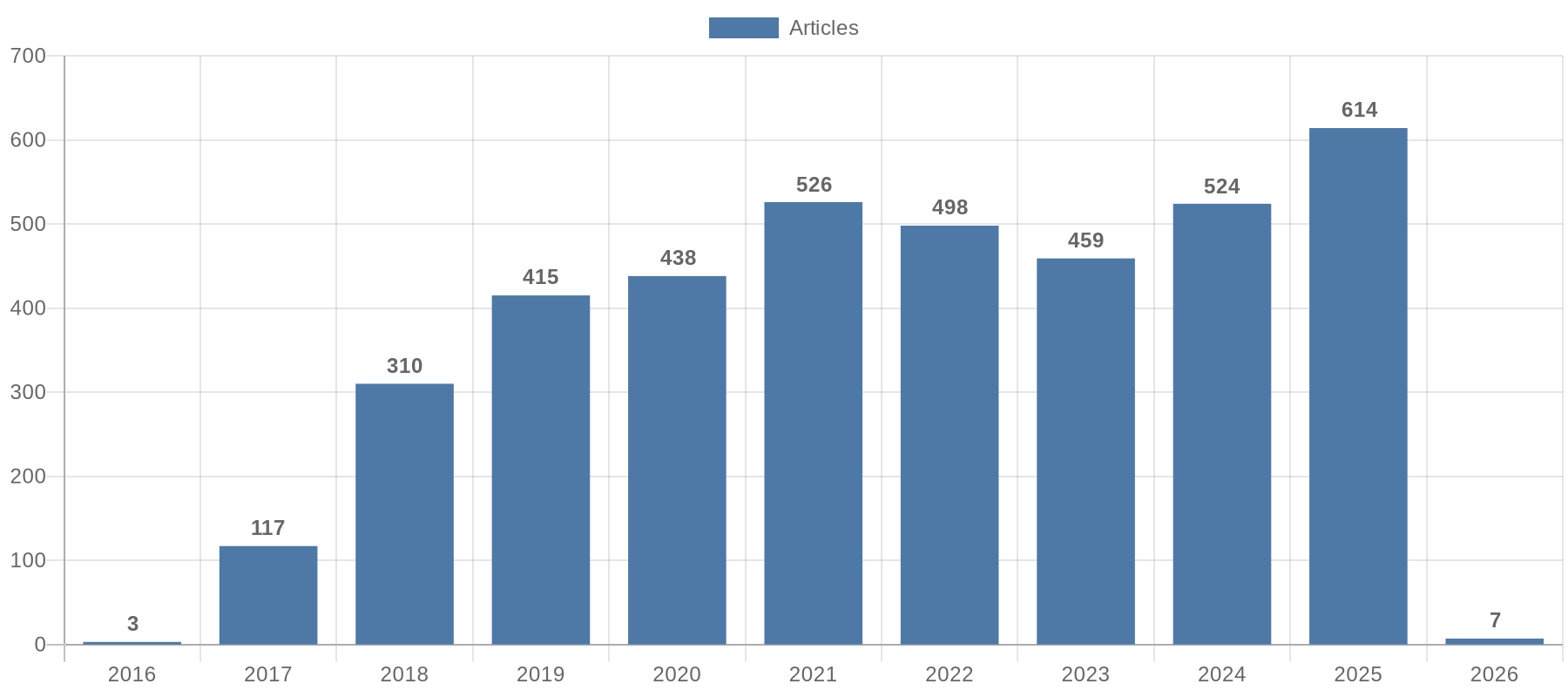
Vitamin D Supplementation: Scoping Review with ☸️SAIMSARA.
This review shows that vitamin D supplementation is far more than a simple deficiency fix: across a massive evidence base, its strongest signals emerge in targeted settings such as respiratory infection prevention, pregnancy, prediabetes, and selected inflammatory conditions, while many popular broad claims remain far less certain. The full paper is worth reading because it separates where vitamin D truly appears clinically meaningful from where biochemical repletion does not reliably translate into real-world benefit.