
SAIMSARA Journal

Machine Generated Science • ISSN 3054-3991

Acute Limb Ischemia and Rutherford Classification: Scoping Review with ☸️SAIMSARA.

Cardiac & Vascular Health icon

Cardiac & Vascular Health

Issue 1, Volume 1, 2026

DOI: 10.62487/saimsara0aca7d8d

Editorial note
• Last update: 2026-03-29 14:33:05
What is this paper about
This paper shows that Rutherford classification is not just a staging label in acute limb ischemia, but one of the clearest bedside signals for who can still be saved, who needs immediate action, and where delay turns threatened limb into loss. The full read is worth it because it separates the real prognostic and treatment signal from observational noise—showing where endovascular therapy performs well, where Rutherford IIb becomes the decisive tipping point, and why timing still matters even within the same severity class.

Evidence preview · Did you know?
Realistic vascular emergency scene showing acute limb ischemia assessment and urgent limb-salvage decision-making.

One bedside class can change the limb’s future

Did you know? Lower Rutherford classes showed median limb salvage of 92.5%, while Rutherford III fell to only 8% salvage with 15% mortality.

The classification separates threatened-but-salvageable limbs from presentations where irreversible ischemia dominates the prognosis.
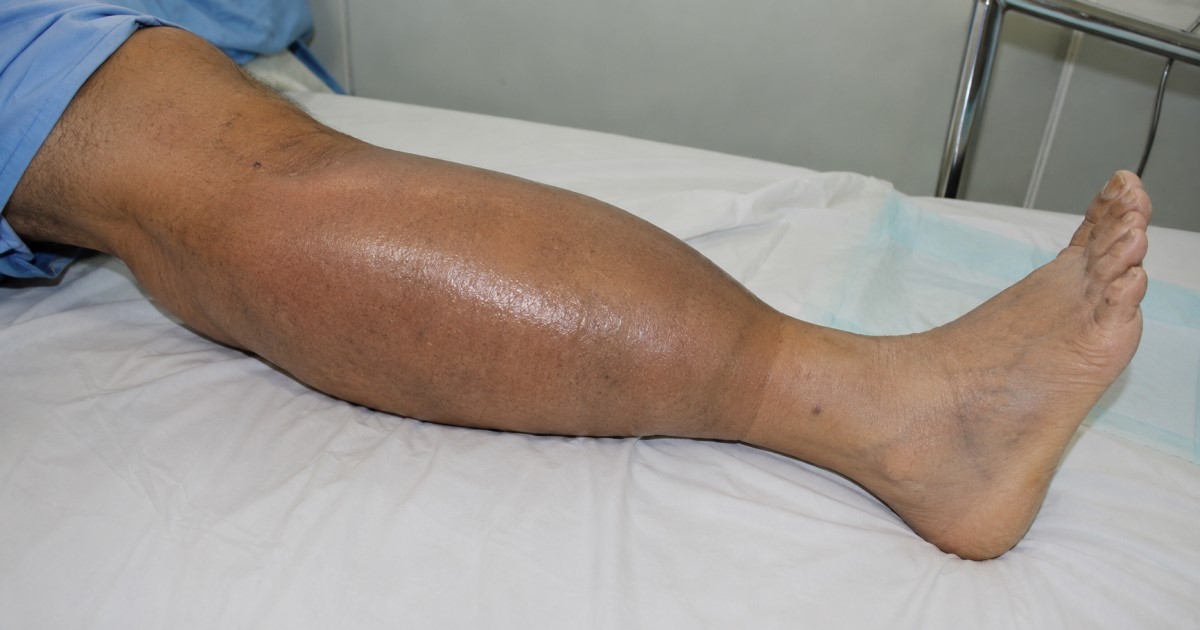
Realistic emergency vascular workflow with clock pressure, limb perfusion assessment, and rapid intervention planning.

Rutherford IIb is where the clock gets brutal

Did you know? In Rutherford IIb ALI, presentation within 6 hours improved limb salvage from 60% to 91.67% in one study and from 62.9% to 84% in another.

This makes IIb a practical threshold for ultra-early action, not just a severity label in the chart.

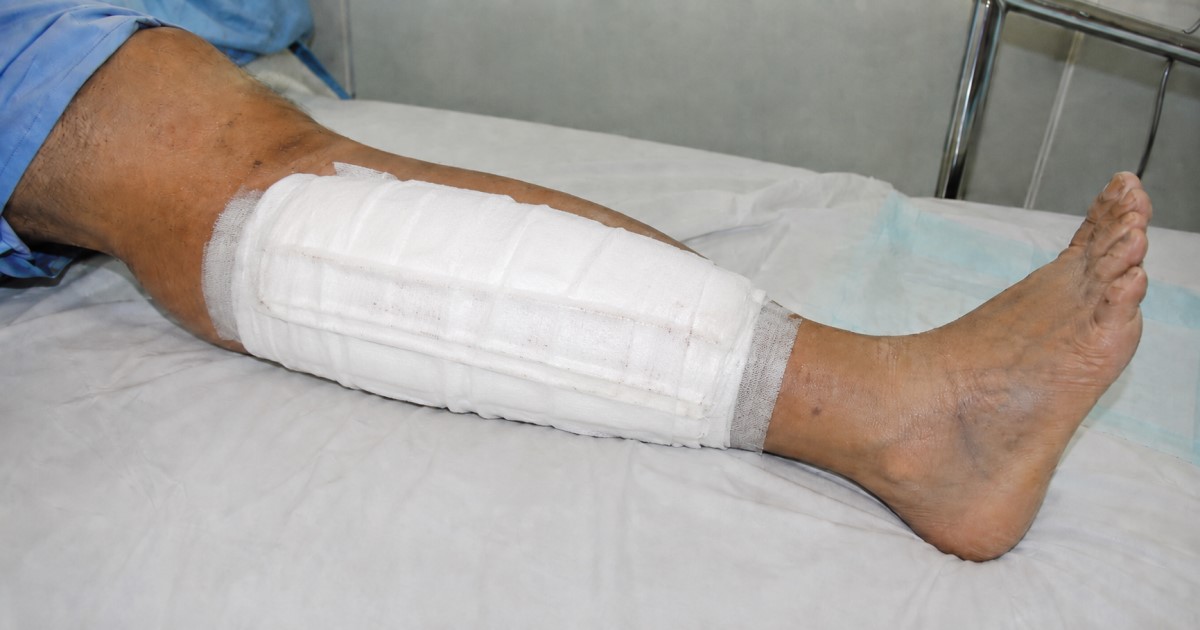
Realistic post-revascularization vascular ward scene focused on monitoring for reperfusion injury and compartment syndrome.

IIb can warn about reperfusion danger

Did you know? One study found that all post-reperfusion compartment syndrome cases occurred in Rutherford IIB patients, compared with only 18% Rutherford IIB among patients without compartment syndrome.

This does not mean every IIB limb develops compartment syndrome, but it makes IIB a strong warning signal for close monitoring after blood flow is restored.

Swipe sideways on mobile · full evidence map opens after unlock

Abstract: The aim of this paper is to synthesize contemporary evidence regarding the prognostic utility of the Rutherford classification in patients with ALI, evaluating its role in predicting limb salvage, mortality, and the efficacy of various surgical and endovascular management strategies. The review utilises 275 original studies with 841948 total participants (topic deduplicated ΣN). The evidence map consistently indicates that Rutherford class is one of the strongest clinical signals for prognosis in acute limb ischemia, with higher stages associated with worse limb salvage and survival; reported limb salvage remained high in lower classes at a median 92.5% (range 79.2%–98.2%), whereas Rutherford III was associated with salvage of 8% and mortality of 15%. Across the mapped studies, Rutherford IIb emerged as the key practical threshold, identifying limbs at immediate risk, aligning with higher odds of death or amputation, and marking patients more vulnerable to reperfusion-related compartment syndrome. The broader literature also suggests that Rutherford staging remains clinically useful for selecting revascularization strategy, with strong short-term results reported for endovascular and mechanical thrombectomy approaches in Rutherford I–IIb disease, while delayed presentation within the same severity stratum still worsens outcomes. At the same time, the mapped evidence is heterogeneous and largely observational, so these signals should be interpreted as consistent patterns rather than definitive comparative proof. In practice, the review supports using Rutherford classification as a bedside triage and prognostic framework to accelerate intervention, guide fasciotomy vigilance, and contextualize adjuncts such as CTA and biomarker-based risk models. Future research should focus on prospective, standardized Rutherford-stratified studies that compare treatment pathways within the same severity classes and test whether adding imaging or biomarker data improves prediction beyond clinical staging alone.

Keywords: Acute limb ischemia; Rutherford classification; Limb salvage; Mechanical thrombectomy; Catheter-directed thrombolysis; Amputation risk; Endovascular revascularization; Prognostic factors; Lower extremity ischemia; Thromboembolic occlusion

Review Stats

Get access to the full paper

Unlock the full evidence map

The full evidence review, including the Introduction, Methods, Results, Discussion, Conclusion, figures, and complete reference index, opens after purchase or sign-in. The Evidence Object JSON is a separate machine-readable evidence product: a concentrated synthesis of results, topic-level evidence, and discussion across original and non-original studies. It can be directly input into your LLM, agent, or RAG workflow.

Reference Index (63)