SAIMSARA Journal

Machine Generated Science • ISSN 3054-3991

Behçet's Disease: Scoping Review with ☸️SAIMSARA.

Cardiac & Vascular Health icon

Cardiac & Vascular Health

Issue 1, Volume 1, 2026

DOI: 10.62487/saimsarac6b709d7

Editorial note
• Last update: 2026-05-03 10:42:17
What is this paper about
Behçet’s disease is far more than recurrent mouth ulcers: this evidence map shows it as a whole-body inflammatory vasculitis that can threaten vision, veins, arteries, brain, gut, and quality of life. The full review explains which diagnostic signals, genetic mimics, and modern therapies — especially anti-TNF agents, apremilast, colchicine, and emerging JAK inhibitors — may change how Behçet’s disease is recognized and treated.
Human-verified editorial review Verified by World ID proof-of-human. This editorial layer was submitted from a SAIMSARA account verified as a unique human.

Evidence preview · Did you know?
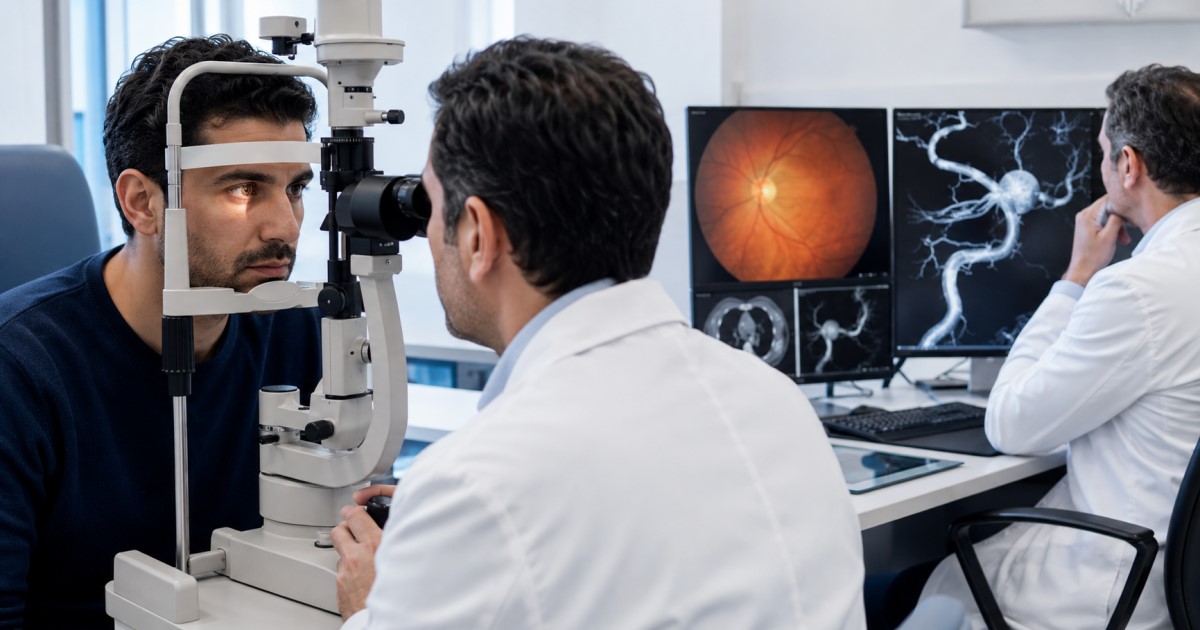
Realistic medical scene showing a Behçet's disease patient being assessed for eye and vascular complications.

It is not just recurrent ulcers

Did you know? Behçet’s disease can involve major organs, with male patients showing higher rates of sight-threatening panuveitis and life-threatening arterial aneurysms.

The full map shows why this disease needs multidisciplinary attention, not only symptomatic ulcer care.


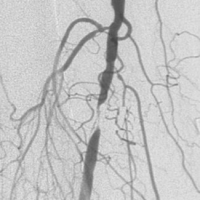
Realistic vascular medicine scene showing venous thrombosis assessment in a patient with systemic inflammation.

The vascular signal is striking

Did you know? One case-control study linked Behçet’s disease with a 14-fold higher risk of venous thrombosis, while older cohorts reported vascular involvement in 14–16% of patients.

This reframes Behçet’s as a thrombo-inflammatory vasculitis where immune control may matter as much as clot control.

Realistic clinical genetics and rheumatology scene showing diagnostic review of a Behçet-like inflammatory disease.

Some “Behçet-like” cases may be mimics

Did you know? In selected suspected cases, whole-exome sequencing identified monogenic Behçet-like mimics in 29% of patients.

This is the diagnostic safeguard: early-onset, familial, atypical, or refractory cases may need genetic reassessment before escalation.

Swipe sideways on mobile · full evidence map opens after unlock

Abstract: To synthesize current evidence regarding the pathophysiology, clinical manifestations, diagnostic biomarkers, and therapeutic strategies for Behçet's disease based on a structured extraction of multi-center cohorts, case-control studies, and clinical trials. The review utilises 3695 original studies with 103639919 total participants (topic deduplicated ΣN). The mapped evidence supports Behçet's disease as a polygenic autoinflammatory vasculitis in which HLA-B*51–ERAP1 interactions, neutrophil hyperactivation with NETosis, and monocyte–macrophage dysregulation converge to drive multisystem injury, with the International Criteria for Behçet's Disease showing higher diagnostic sensitivity/coverage (81.0%–88.1%) than the older ISG criteria (43.3%–59.1%) and Paediatric Behçet's Disease criteria (37.3%). Across topics, anti-TNF therapy emerged as a recurrent signal of benefit in refractory ocular, vascular, neurologic, and intestinal disease, with vascular remission reported in approximately 89% of cases and adalimumab plus corticosteroids superior to ciclosporin for severe uveitis. Apremilast and emerging JAK inhibitors (baricitinib, upadacitinib) were associated with improvement in mucocutaneous and refractory intestinal/vascular phenotypes, while colchicine retained a role for mucocutaneous and joint manifestations. Diagnostic signals including common femoral vein wall thickness, OCT angiography, deep-learning endoscopy, and proteomic/metabolomic panels indicate a shift toward multimodal, non-invasive phenotyping, although venous thrombosis (~14% of patients), arterial aneurysms, and neuro-Behçet's disease continue to drive morbidity and mortality, particularly in young males. The map also highlights underrecognized burdens of fatigue, depression, sexual dysfunction, and monogenic Behçet-like mimics that warrant integrated psychosocial care and targeted genetic screening in early-onset or refractory presentations. Given the heterogeneity of small retrospective cohorts and the absence of pooled effect estimation, future work should prioritize multi-center randomized trials of JAK inhibitors, longitudinal microbiome studies, and standardized anticoagulation–immunosuppression protocols to resolve the most persistent uncertainties identified across this evidence map.

Keywords: Neuro-Behçet's disease; Intestinal Behçet's disease; Pulmonary artery aneurysm; Anti-TNF therapy; Transverse myelitis; MicroRNA155; Coronary artery aneurysm; Pediatric Beh

Review Stats

Get access to the full paper

Unlock the full evidence map

The full evidence review, including the Introduction, Methods, Results, Discussion, Conclusion, figures, and complete reference index, opens after purchase or sign-in. The Evidence Object JSON is a separate machine-readable evidence product: a concentrated synthesis of results, topic-level evidence, and discussion across original and non-original studies. It can be directly input into your LLM, agent, or RAG workflow.

Reference Index (457)