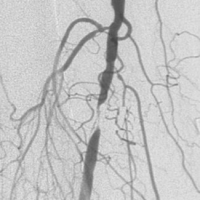
Blue toe syndrome is not just a toe finding — it is a warning signal for distal microembolization, systemic vascular risk, and hidden hematologic, autoimmune, malignant, procedural, or mechanical causes. This SAIMSARA evidence map turns scattered case-level and cohort evidence into a structured diagnostic and treatment roadmap for clinicians and AI agents needing citation-linked BTS reasoning.
Human-verified editorial review
Verified by World ID proof-of-human. This editorial layer was submitted from a SAIMSARA account verified as a unique human.
Abstract: This scoping review aims to synthesize the structured evidence on BTS, with emphasis on recurrent mechanisms, diagnostic strategies, etiologic breadth, treatment approaches, and clinically relevant outcomes reported across original human studies. The review focuses on identifying the dominant paper-level signal aligned to the query “blue toe syndrome” while preserving the heterogeneity of etiologies and study designs represented in the extracted literature. The review utilises 88 original studies with 3767 total participants (topic deduplicated ΣN). Across the mapped evidence, BTS emerged most consistently as a clinical signal of distal microembolization from aortoiliac, aneurysmal, or procedure-disrupted arterial sources, with duplex Doppler ultrasound supported as an effective first-line localization tool in a 165-patient prospective cohort and post-catheterization cholesterol embolization syndrome occurring in 1.4% of cases with elevated CRP independently predicting risk (OR 4.6). Procedural risk was further highlighted by severe aortic wall thrombus on preprocedural CT being strongly associated with thromboembolic events after transfemoral TAVR (OR 8.48, 95% CI 3.36–21.40), while historical cohorts showed 85% abnormal toe/ankle indices and 20% mortality, underscoring the prognostic weight of the finding. Beyond the dominant atheroembolic axis, the synthesis indicates a broad differential including antiphospholipid syndrome, myeloproliferative and thrombocytotic states, vasculitis, malignancy-associated thrombosis, drug- and cancer-therapy-related ischemia, and mechanical or dermatologic mimics, supporting mechanism-directed rather than uniform management. Therapeutic signals were heterogeneous, ranging from a single randomized trial of liposomal alprostadil (87.5% vs 25.0% response, p=0.002) to endovascular or surgical source exclusion, anticoagulation in selected thrombotic etiologies, and supportive care including statins or LDL apheresis for cholesterol embolization. Clinically, the mapped evidence supports treating BTS as a trigger for structured embolic-source evaluation combined with screening for systemic, hematologic, autoimmune, and iatrogenic contributors rather than as an isolated digital disorder. Future work should prioritize prospective, mechanism-stratified registries and diagnostic-pathway validation studies to clarify optimal workup sequencing and treatment selection across the heterogeneous etiologies identified in this scoping map.
Keywords: Blue toe syndrome; Cholesterol embolization; Atheroembolism; Microembolism; Peripheral arterial disease; Atherosclerotic plaque; Antiphospholipid syndrome; Thrombocytosis; Vasculitis; Duplex Doppler ultrasound
Review Stats
Final search date and database lock: 2026-05-07 09:58:37 CEST
Plan: Pro (expanded craft tokens; source: PubMed)
Source: PubMed
Total Abstracts/Papers: 194
Downloaded Abstracts/Papers: 194
Included original and non-original Abstracts/Papers (all): 94
Included original Abstracts/Papers (Vote counting by direction of effect): 88
Reference Index (links used in paper): 77
Total participants (topic deduplicated ΣN): 3767
Get access to the full paper
Unlock the full evidence map
The full evidence review, including the Introduction, Methods, Results, Discussion, Conclusion, figures, and complete reference index, opens after purchase or sign-in.
The Evidence Object JSON is a separate machine-readable evidence product: a concentrated synthesis of results, topic-level evidence, and discussion across original and non-original studies. It can be directly input into your LLM, agent, or RAG workflow.
[8] Atherosclerosis of the aorta before blue toe syndrome: Spontaneously ruptured aortic plaques revealed by non-obstructive general angioscopy. — https://doi.org/10.1016/j.jccase.2023.06.005
[11] The usefulness of Duplex Doppler ultrasound in the angiological and dermatological diagnosis of patients with blue toe syndrome. — https://doi.org/10.5114/ada.2017.71117
[20] Aspirin-responsive painful red, blue, black toe, or finger syndrome in polycythemia vera associated with thrombocythemia. — https://doi.org/10.1007/s00277-002-0593-x
[22] A vitamin K antagonist rapidly reverses a blue toe syndrome in a patient with lupus anticoagulant and antiprothrombin antibodies. — https://doi.org/10.1179/acb.2002.017
[26] Atheroembolic signals detected by Doppler ultrasound scan monitoring in a patient with blue toe syndrome: report of a case. — https://doi.org/10.1007/s005950200187
[33] Blue toe syndrome treated with sympathectomy in a patient with acute renal failure caused by cholesterol embolization. — https://doi.org/10.1016/j.krcp.2013.08.004
[42] Aortitis in the setting of catastrophic antiphospholipid syndrome in a patient with systemic lupus erythematosus. — https://doi.org/10.1177/0961203320931173
[46] Dermatological Lesions of Cholesterol Embolisation Syndrome and Kaposi Sarcoma Mimic Primary Systemic Vasculitis: Case report study. — https://doi.org/10.18295/squmj.2.2022.018
[48] Blue toe syndrome associated with rapidly progressive glomerulonephritis: ultimately revealed essential mixed cryoglobulinemia. — https://doi.org/10.3109/08860229709026273
[50] A case of antiphospholipid syndrome refractory to secondary anticoagulating prophylaxis after deep vein thrombosis-pulmonary embolism. — https://doi.org/10.4046/trd.2014.77.6.274
[55] Cholesterol Embolization Syndrome Presenting with Multifocal Cerebral Infarction After Thoracic Endovascular Aortic Repair: A Case Report. — https://doi.org/10.3390/jcm14186507
[56] ["Blue-toe" syndrome as a possible complication of the abdominal aortic aneurysm: a report of two cases]. — https://doi.org/10.2298/sarh1404229p
[57] Leriche Syndrome Misdiagnosed as Complex Regional Pain Syndrome in a Patient with Neuropathic Pain Caused by a Chip Fracture: A Case Report. — https://doi.org/10.3390/medicina57050486
[58] A Patient's Six-Month Journey From Low Sodium to Blue Toes to Stroke: Non-infective Thrombotic Endocarditis Due to Non-small Cell Lung Cancer. — https://doi.org/10.7759/cureus.23235
[60] The incidence and risk factors of cholesterol embolization syndrome, a complication of cardiac catheterization: a prospective study. — https://doi.org/10.1016/s0735-1097(03)00579-5
[66] Association Between Aortic Wall Thrombus and Thromboembolic Events After Transfemoral Transcatheter Aortic Valve Replacement. — https://doi.org/10.1016/j.jcin.2024.05.033
[72] Cholesterol crystal embolization mimicking vasculitis: success with corticosteroid and cyclophosphamide therapy in two cases. — https://doi.org/10.1007/s00296-005-0012-4
[81] Mobile thrombi in the abdominal aorta in cases of lower extremity embolic arterial occlusion: value of extended transthoracic echocardiography. — https://doi.org/10.1067/mhj.2000.102885
[91] Early experience using the Wallgraft in the management of distal microembolism from common iliac artery patholology. — https://doi.org/10.1007/s10016-001-0153-1
[94] Iliac artery stenting versus surgical reconstruction for TASC (TransAtlantic Inter-Society Consensus) type B and type C iliac lesions. — https://doi.org/10.1016/s0741-5214(03)00411-7