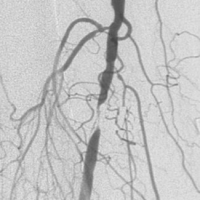
Deep vein thrombosis is not one disease trigger, but a convergence of risk: genes, cancer, surgery, catheters, hormones, infection, inflammation, and immobility can all push the body toward clot formation. This review maps where the strongest danger signals appear — from COVID-19 and oral contraceptives to cancer care and inherited thrombophilia — and shows why modern DVT prevention must be personalized rather than one-size-fits-all.
Human-verified editorial review
Verified by World ID proof-of-human. This editorial layer was submitted from a SAIMSARA account verified as a unique human.
Abstract: The aim of this review is to synthesize evidence regarding the multi-dimensional risk factors, diagnostic biomarkers, and prophylactic strategies for deep venous thrombosis (DVT) across surgical, medical, and genetic contexts. The review includes 107 cited references and is built on 105 original studies with 441130 total participants (topic-deduplicated ΣN). The mapped evidence indicates that DVT emerges from a convergence of inherited thrombophilia, acute systemic triggers, and iatrogenic exposures, with a particularly prominent signal for coronavirus disease 2019, where DVT was reported in 58% of an autopsy cohort, and for hormonal contraception, where current users showed an odds ratio of 5.0 versus non-users with further elevation for drospirenone-containing formulations. Cancer-associated thrombosis, major orthopedic surgery, critical illness, and central venous access devices recurred as dominant high-risk settings, with peripherally inserted central catheters causing substantially more catheter-related DVT than implanted ports (8% vs 1%). Inherited contributors including factor V Leiden, the prothrombin G20210A mutation, protein C deficiency, and elevated factors IX and XI were consistently associated with venous thrombosis risk, while mean platelet volume and D-dimer recurred as accessible hematological signals supporting risk stratification. Mechanistic studies highlight neutrophil extracellular traps, platelet–monocyte cooperation, and platelet-derived high-mobility group box 1 as biologically plausible drivers linking inflammation to thrombosis. Clinically, these signals support individualized prophylaxis decisions that integrate genetic background, contraceptive choice, device selection, and inflammatory context rather than relying on uniform protocols, while acknowledging that the heterogeneous and partly dated evidence base limits firm comparative conclusions. Future research should prioritize prospective, multi-ethnic studies that jointly evaluate genetic, inflammatory, and device-related risk factors and that clarify optimal prophylaxis in upper-extremity DVT, superficial-to-deep thrombosis progression, and coronavirus disease 2019–associated hypercoagulability.
Final search date and database lock: 2026-05-02 02:11:38 CEST
Plan: Pro (expanded craft tokens; source: Semantic Scholar)
Source: Semantic Scholar
Total Abstracts/Papers: 127176
Downloaded Abstracts/Papers: 1000
Included original and non-original Abstracts/Papers (all): 295
Included original Abstracts/Papers (Vote counting by direction of effect): 105
Reference Index (links used in paper): 107
Total participants (topic deduplicated ΣN): 441130
Get access to the full paper
Unlock the full evidence map
The full evidence review, including the Introduction, Methods, Results, Discussion, Conclusion, figures, and complete reference index, opens after purchase or sign-in.
The Evidence Object JSON is a separate machine-readable evidence product: a concentrated synthesis of results, topic-level evidence, and discussion across original and non-original studies. It can be directly input into your LLM, agent, or RAG workflow.
[8] Venous thrombosis and arteriosclerosis obliterans of lower extremities in a very severe patient with 2019 novel coronavirus disease: a case report — https://doi.org/10.1007/s11239-020-02084-w
[10] Central venous catheters and upper extremity deep vein thrombosis in medical inpatients: the Medical Inpatients and Thrombosis (MITH) Study — https://doi.org/10.1111/jth.13131
[21] Incidence and predictors of venous thromboembolism recurrence after a first isolated distal deep vein thrombosis — https://doi.org/10.1111/jth.12512
[22] Residual venous thrombosis as predictive factor for recurrent venous thromboembolim in patients with proximal deep vein thrombosis: a sytematic review — https://doi.org/10.1111/j.1365-2141.2011.08578.x
[25] The risk of recurrent deep venous thrombosis among heterozygous carriers of both factor V Leiden and the G20210A prothrombin mutation. — https://doi.org/10.1056/nejm199909093411104
[30] Preoperative Plasma D-Dimer Is a Predictor of Postoperative Deep Venous Thrombosis in Colorectal Cancer Patients: A Clinical, Prospective Cohort Study with One-Year Follow-Up — https://doi.org/10.1007/dcr.0b013e318197e2b2
[50] Association of methylenetetrahydrofolate reductase (MTHFR-677 and MTHFR-1298) genetic polymorphisms with occlusive artery disease and deep venous thrombosis in Macedonians. — https://doi.org/10.3325/cmj.2008.1.39
[51] Monocytes, neutrophils, and platelets cooperate to initiate and propagate venous thrombosis in mice in vivo — https://doi.org/10.1084/jem.20112322
[55] Elevated endogenous thrombin potential is associated with an increased risk of a first deep venous thrombosis but not with the risk of recurrence — https://doi.org/10.1111/j.1365-2141.2007.06738.x
[62] Acute right lower extremity iliofemoral deep venous thrombosis secondary to an anomalous inferior vena cava: a report of two cases — https://doi.org/10.1177/1358863x06074829
[66] Risk Factors for Clinically Relevant Pulmonary Embolism and Deep Venous Thrombosis in Patients Undergoing Primary Hip or Knee Arthroplasty — https://doi.org/10.1097/00000542-200309000-00009
[73] The effectiveness of intermittent plantar venous compression in prevention of deep venous thrombosis after total hip arthroplasty. — https://doi.org/10.1016/s0883-5403(06)80108-7
[79] Prophylaxis against Deep Venous Thrombosis after Total Knee Arthroplasty. Pneumatic Plantar Compression and Aspirin Compared with Aspirin Alone* — https://doi.org/10.2106/00004623-199606000-00004
[83] Use of enoxaparin, a low-molecular-weight heparin, and unfractionated heparin for the prevention of deep venous thrombosis after elective hip replacement. A clinical trial comparing efficacy and safety. Enoxaparin Clinical Trial Group. — https://doi.org/10.2106/00004623-199401000-00002
[100] Efficacy and Safety of Enoxaparin Versus Unfractionated Heparin for Prevention of Deep Venous Thrombosis After Elective Knee Arthroplasty — https://doi.org/10.1097/00003086-199512000-00004
[129] Deep venous thrombosis and pulmonary embolism after major reconstructive operations on the spine. A prospective analysis of three hundred and seventeen patients. — https://doi.org/10.2106/00004623-199407000-00004
[145] High Antibody Levels to Prothrombin Imply a Risk of Deep Venous Thrombosis and Pulmonary Embolism in Middle-aged Men — https://doi.org/10.1055/s-0038-1657711
[153] Unexpectedly high rate of phlebographic deep venous thrombosis following elective general abdominal surgery among patients given prophylaxis with low-molecular-weight heparin. — https://doi.org/10.1001/archsurg.1993.01420150082015
[186] Relationship between changes in the deep venous system and the development of the postthrombotic syndrome after an acute episode of lower limb deep vein thrombosis: a one- to six-year follow-up. — https://doi.org/10.1016/s0741-5214(95)70271-7
[236] Higher risk of venous thrombosis associated with drospirenone-containing oral contraceptives: a population-based cohort study — https://doi.org/10.1503/cmaj.110463
[239] Obesity: risk of venous thrombosis and the interaction with coagulation factor levels and oral contraceptive use — https://doi.org/10.1055/s-0037-1613379
[244] Risk of venous thrombosis with use of current low-dose oral contraceptives is not explained by diagnostic suspicion and referral bias. — https://doi.org/10.1001/archinte.159.1.65
[245] The HR2 Haplotype of Factor V: Effects on Factor V Levels, Normalized Activated Protein C Sensitivity Ratios and the Risk of Venous Thrombosis — https://doi.org/10.1055/s-0037-1613866
[259] Deep vein thrombosis in elderly patients hospitalized in subacute care facilities: a multicenter cross-sectional study of risk factors, prophylaxis, and prevalence. — https://doi.org/10.1001/archinte.163.21.2613
[266] The venous thrombotic risk of oral contraceptives, effects of oestrogen dose and progestogen type: results of the MEGA case-control study — https://doi.org/10.1136/bmj.b2921
[272] Clinical impact of peripherally inserted central catheters vs implanted port catheters in patients with cancer: an open-label, randomised, two-centre trial. — https://doi.org/10.1016/j.bja.2019.01.038
[277] Incidence and Risk Factors of Upper Extremity Deep Vein Lesions After Permanent Transvenous Pacemaker Implant: A 6‐Month Follow‐Up Prospective Study — https://doi.org/10.1046/j.1460-9592.2002.01301.x
[278] Clinical characteristics and management of cancer-associated acute venous thromboembolism: findings from the MASTER Registry — https://doi.org/10.3324/haematol.11458