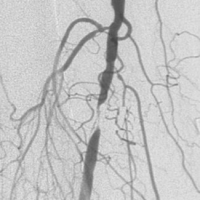
Diabetic foot is not just a wound problem but a high-stakes collision of neuropathy, ischemia, infection, and delayed care, with a median major amputation rate of 10.3% across the mapped evidence. This review shows where the strongest signals truly are: why multidisciplinary care can cut major amputations by up to 80%, which risk factors matter most, and which emerging diagnostics and regenerative therapies may actually change outcomes.
Abstract: To systematically review and synthesize the available evidence addressing: diabetic foot. The review utilises 4398 original studies with 9269773 total participants (naïve ΣN). The findings underscore the severe burden of this complication, evidenced by high rates of ulceration, infection, and a median major amputation rate of 10.3%. Key risk factors, including neuropathy, peripheral arterial disease, and poor glycemic control, are consistently identified across diverse populations. A critical and recurring theme is the profound impact of multidisciplinary care, which has been shown to reduce major amputations by up to 80%. Despite this, significant gaps persist in patient self-care practices and provider adherence to screening guidelines, representing a major barrier to prevention. The field is rapidly advancing with novel biomarkers, advanced imaging, AI-driven diagnostics, and regenerative therapies showing promise, though many require further validation. A primary limitation of the current literature is the heterogeneity of study designs and reporting, which hinders direct comparison and meta-analysis. Therefore, a crucial future direction is the establishment of standardized, integrated care pathways that incorporate evidence-based screening, patient education, and multidisciplinary management to reduce the devastating impact of diabetic foot disease.
Keyword Gate: Fuzzy (≥60% of required terms, minimum 2 terms matched in title/abstract)
Total Abstracts/Papers: 19378
Downloaded Abstracts/Papers: 10000
Included Abstracts/Papers (all): 4977
Included original Abstracts/Papers (Vote counting based on direction of effect): 4398
Reference Index (links used in paper): 331
Total study participants (naïve ΣN): 9269773
Get access to the full paper
Unlock the full evidence map
The full evidence review, including the Introduction, Methods, Results, Discussion, Conclusion, figures, and complete reference index, opens after purchase or sign-in.
The Evidence Object JSON is a separate machine-readable evidence product: a concentrated synthesis of results, topic-level evidence, and discussion across original and non-original studies. It can be directly input into your LLM, agent, or RAG workflow.
[11] Diabetic Foot Care: Assessing the Knowledge and Practices of Diabetic Patients at Aldaraga Centre, Gezira State, Sudan, 2021. — https://doi.org/10.2147/dmso.s453666
[12] Diabetic foot self-care knowledge and practice among patients with diabetes attending diabetic clinic in the Gambia. — https://doi.org/10.1111/iwj.14963
[22] Diabetic foot and lower limb amputations at central, provincial and tertiary hospitals-underscores the need for organised foot health services at primary healthcare level. — https://doi.org/10.1016/j.foot.2023.102039
[25] Educate African Americans with type 2 diabetes (T2DM) on the importance of daily foot self-care to prevent the development of diabetic foot ulcers (DFU): a quality improvement project. — https://doi.org/10.1136/bmjoq-2023-002708
[43] Diabetic foot: prevalence, knowledge, and foot self-care practices among diabetic patients in Dar es Salaam, Tanzania - a cross-sectional study. — https://doi.org/10.1186/s13047-015-0080-y
[44] Association of diabetic foot ulcer and death in a population-based cohort from the United Kingdom. — https://doi.org/10.1111/dme.13054
[49] The effect of a foot care camp on diabetic foot care knowledge and the behaviours of individuals with diabetes mellitus. — https://doi.org/10.1177/1744987118765903
[56] Knowledge, Attitude and Practice Regarding Risk of Diabetic Foot Among Diabetic Patients in Aseer Region, Saudi Arabia. — https://doi.org/10.7759/cureus.18791
[68] Knowledge and Practice of Diabetic Foot Care in an In- Patient Setting at a Tertiary Medical Center. — https://doi.org/10.5704/moj.1411.005
[71] Risk factors of diabetic foot Charcot arthropathy: a case-control study at a Malaysian tertiary care centre. — https://doi.org/10.11622/smedj.2016074
[73] Transformation of the multidisciplinary diabetic foot clinic into a multidisciplinary diabetic foot day unit: results from a service evaluation. — https://doi.org/10.1177/1534734614545877
[89] Effect of intensive nursing education on the prevention of diabetic foot ulceration among patients with high-risk diabetic foot: a follow-up analysis. — https://doi.org/10.1089/dia.2014.0004
[91] Analysis of the incidence and influencing factors of high-risk foot in elderly patients with type 2 diabetes in a community in Beijing. — https://doi.org/10.1371/journal.pone.0313794
[93] Clinical Characteristics, Treatment, and Prognosis of Diabetic Foot Disease in Macao and Beijing: A Retrospective Study. — https://doi.org/10.1007/s13300-020-00805-1
[122] Assessment of Prevalence, Associations ,Knowledge, and Practices about Diabetic Foot Disease in a Tertiary Care Hospital in Colombo, Sri Lanka. — https://doi.org/10.1155/2020/4504627
[139] Knowledge and Behaviors of Foot Care in Muslims With Diabetes Mellitus: Does Islamic Ritual Ablution Make a Difference? — https://doi.org/10.1177/10436596231209046
[164] Prevalence, risk level and risk factors of diabetic foot ulcer among adult individuals with diabetes in the Southeastern Anatolia Region of Turkiye. — https://doi.org/10.1016/j.jtv.2024.12.003
[181] Impact of diabetic foot related complications on the Health Related Quality of Life (HRQol) of patients--a regional study in Spain. — https://doi.org/10.1177/1534734611400257
[201] Prediction of Foot Ulcers Using Artificial Intelligence for Diabetic Patients at Cairo University Hospital, Egypt. — https://doi.org/10.1177/23779608231185873
[202] Reevaluating the way we classify the diabetic foot: restructuring the diabetic foot risk classification system of the International Working Group on the Diabetic Foot. — https://doi.org/10.2337/dc07-1302
[205] Prevalence, Clinical Presentation, and Factors Associated With Diabetic Foot Ulcer in Two Regional Hospitals in Cameroon. — https://doi.org/10.1177/1534734618764252
[214] Risk factors and outcomes of diabetic foot ulcer among diabetes mellitus patients admitted to Nekemte referral hospital, western Ethiopia: Prospective observational study. — https://doi.org/10.1016/j.amsu.2020.01.005
[216] Knowledge, Attitude, and Practice of Foot Care and the Risk of Foot Ulcers in Diabetic Patients in Jeddah, Saudi Arabia: A Cross-Sectional Study. — https://doi.org/10.7759/cureus.55826
[217] Effectiveness of a theory-based foot care education program on self-efficacy and adaptation in patients with diabetes in Turkey: a randomized controlled trial. — https://doi.org/10.25270/wmp.23007
[219] Evaluation of foot ulcer incidence in diabetic patients at a diabetic foot ulcer prevention clinic over a 10-year period. — https://doi.org/10.1111/wrr.13039
[225] A males foot is being shot by an ulcer, not a gunshot! The magnitude and associated factors of diabetic foot ulcer among diabetes mellitus patients on chronic care follow-up of southwestern Ethiopian hospital: A cross-sectional study. — https://doi.org/10.1016/j.amsu.2022.104003
[233] Risk factors for diabetic foot ulcers mortality and novel negative pressure combined with platelet-rich plasma therapy in the treatment of diabetic foot ulcers. — https://doi.org/10.3389/fphar.2022.1051299
[234] Screening behaviors for diabetic foot risk and their influencing factors among general practitioners: a cross-sectional study in Changsha, China. — https://doi.org/10.1186/s12875-023-02027-3
[235] Cost-effectiveness analysis of medical intervention in patients with early detection of diabetic foot in a tertiary care hospital in Bangladesh. — https://doi.org/10.1016/j.jdiacomp.2008.12.005
[240] Bacteriology of 100 consecutive diabetic foot infections and in vitro susceptibility to ampicillin/sulbactam versus cefoxitin. — https://doi.org/10.1177/000331979204300411
[241] Four-fold increase in foot ulcers in type 2 diabetic subjects without an increase in major amputations by a multidisciplinary setting. — https://doi.org/10.1016/j.diabres.2008.11.025
[251] Reduction of major amputations after starting a multidisciplinary diabetic foot care team: single centre experience from Turkey. — https://doi.org/10.1055/s-0028-1112149
[310] Prevalence and Determinants of Diabetic Foot Ulcers and Lower Extremity Amputations in Three Selected Tertiary Hospitals in Ghana. — https://doi.org/10.1155/2019/7132861
[318] Reducing lower extremity amputations due to diabetes: the application of diabetic-foot protocol in Chiang Mai University Hospital. — https://doi.org/10.1177/1534734608317939
[340] A systematic review with meta-analysis of the impact of access and quality of diabetic foot care delivery in preventing lower extremity amputation. — https://doi.org/10.1016/j.jdiacomp.2020.107837
[347] Prevalence of Diabetic Foot Ulcer and Associated Factors among Adult Diabetic Patients Who Attend the Diabetic Follow-Up Clinic at the University of Gondar Referral Hospital, North West Ethiopia, 2016: Institutional-Based Cross-Sectional Study. — https://doi.org/10.1155/2017/2879249
[376] Mobile phone text messaging to improve knowledge and practice of diabetic foot care in a developing country: Feasibility and outcomes. — https://doi.org/10.1111/ijn.12546
[386] Three-dimensional stress analysis for the mechanics of plantar ulcers in diabetic neuropathy. — https://doi.org/10.1007/bf02344636
[390] The potential impact and diagnostic value of inflammatory markers on diabetic foot progression in type II diabetes mellitus: A case-control study. — https://doi.org/10.1016/j.medcli.2024.01.009
[401] Improving rural and remote practitioners' knowledge of the diabetic foot: findings from an educational intervention. — https://doi.org/10.1186/s13047-016-0157-2
[402] Unsuspected osteomyelitis in diabetic foot ulcers. Diagnosis and monitoring by leukocyte scanning with indium in 111 oxyquinoline. — https://doi.org/10.1001/jama.266.9.1246
[416] Assessment of knowledge and foot self-care practices among diabetes mellitus patients in a tertiary care centre in Makkah, Saudi Arabia: a cross-sectional analytical study. — https://doi.org/10.11604/pamj.2021.40.123.30113
[436] Prediction of amputation risk of patients with diabetic foot using classification algorithms: A clinical study from a tertiary center. — https://doi.org/10.1111/iwj.14556
[474] Leukocyte scanning with 111In is superior to magnetic resonance imaging in diagnosis of clinically unsuspected osteomyelitis in diabetic foot ulcers. — https://doi.org/10.2337/diacare.15.11.1527
[493] Seminar review: sociocultural practices and epidemiology of diabetic foot problem: lessons from a study in Chiang Mai University Hospital, Thailand. — https://doi.org/10.1177/1534734611406102
[494] Effects of neutrophil-to-lymphocyte ratio, serum calcium, and serum albumin on prognosis in patients with diabetic foot. — https://doi.org/10.1111/iwj.14019
[496] A Multi-Faceted Digital Health Solution for Monitoring and Managing Diabetic Foot Ulcer Risk: A Case Series. — https://doi.org/10.3390/s24092675
[500] Screening for the loss of protective sensation in people without a history of diabetic foot ulceration: Validation of two simple tests in India. — https://doi.org/10.1016/j.diabres.2023.110810
[506] Efficacy of Cellular Therapy for Diabetic Foot Ulcer: A Meta-Analysis of Randomized Controlled Clinical Trials. — https://doi.org/10.1177/0963689717738013
[508] Prevalence of diabetic comorbidities and knowledge and practices of foot care among diabetic patients: a cross-sectional study. — https://doi.org/10.2147/dmso.s171526
[511] Adherence to diabetic foot care recommendations and associated factors among people with diabetes in Eastern Ethiopia: a multicentre cross-sectional study. — https://doi.org/10.1136/bmjopen-2023-074360
[535] Implementation of diabetic foot ulcer classification system for research purposes to predict lower extremity amputation. — https://doi.org/10.4103/0973-3930.50707
[537] Osteoprotegerin gene rs2073617 and rs3134069 polymorphisms in type 2 diabetes patients and sex‑specific rs2073618 polymorphism as a risk factor for diabetic foot. — https://doi.org/10.20452/pamw.1684
[591] Anxiety and Depression Among Adult Patients With Diabetic Foot: Prevalence and Associated Factors. — https://doi.org/10.14740/jocmr3352w
[599] Changes in physical function and ambulatory state after Achilles tendon lengthening for diabetic foot ulcers. — https://doi.org/10.1589/jpts.35.51
[601] Exosomes from linc00511-overexpressing ADSCs accelerates angiogenesis in diabetic foot ulcers healing by suppressing PAQR3-induced Twist1 degradation. — https://doi.org/10.1016/j.diabres.2021.109032
[603] Comparison of microbiological results obtained from per-wound bone biopsies versus transcutaneous bone biopsies in diabetic foot osteomyelitis: a prospective cohort study. — https://doi.org/10.1007/s10096-019-03547-6
[619] Improvement of diabetic foot care after the Implementation of the International Consensus on the Diabetic Foot (ICDF): results of a 5-year prospective study. — https://doi.org/10.1016/j.diabres.2006.05.014
[640] Case-Control Study of Risk Factors and Self-Care Behaviors of Foot Ulceration in Diabetic Patients Attending Primary Healthcare Services in Palestine. — https://doi.org/10.1155/2020/7624267
[649] American Society of Biomechanics Clinical Biomechanics Award 2012: plantar shear stress distributions in diabetic patients with and without neuropathy. — https://doi.org/10.1016/j.clinbiomech.2013.11.003
[653] Diagnostic Accuracy of Probe to Bone to Detect Osteomyelitis in the Diabetic Foot: A Systematic Review. — https://doi.org/10.1093/cid/ciw445
[667] Effect of platelet-rich plasma vs standard management for the treatment of diabetic foot ulcer wounds: A meta-analysis. — https://doi.org/10.1111/iwj.13858
[669] Exploration of predictive risk factors for diabetic foot in patients with diabetes in Beijing: analysis of 5-year follow-up data of patients with diabetes mellitus in a single center in Beijing. — https://doi.org/10.3389/fendo.2024.1441997
[680] Application of a simple skin stretching system and negative pressure wound therapy in repair of complex diabetic foot wounds. — https://doi.org/10.1186/s13018-021-02405-6
[698] Detection of diabetic foot hyperthermia by using a regionalization method, based on the plantar angiosomes, on infrared images. — https://doi.org/10.1109/embc.2016.7590967
[825] Diabetic Foot Risk Classification at the Time of Type 2 Diabetes Diagnosis and Subsequent Risk of Mortality: A Population-Based Cohort Study. — https://doi.org/10.3389/fendo.2022.888924
[827] Change in the amputation profile in diabetic foot in a tertiary reference center: efficacy of team working. — https://doi.org/10.1055/s-2004-821310
[853] Predictors of major lower limb amputation in type 2 diabetic patients referred for hospital care with diabetic foot syndrome. — https://doi.org/10.2147/dmso.s165967
[898] Preventive foot self-care practice and associated factors among diabetic patients attending the university of Gondar comprehensive specialized referral hospital, Northwest Ethiopia, 2021. — https://doi.org/10.1186/s12902-022-01044-0
[900] Serum Procalcitonin (PCT) - Is there a Role as an Early Biomarker in Infected Diabetic Foot Ulcer (IDFU) Patients? — https://doi.org/10.5704/moj.2307.010
[901] Evaluation of various risk factors associated with multidrug-resistant organisms isolated from diabetic foot ulcer patients. — https://doi.org/10.4103/jlp.jlp_106_18
[906] Correcting the cause: Surgical offloading for healing and recurrence prevention in neuro-mechanical diabetic foot ulcers. — https://doi.org/10.1177/00494755251414933
[940] Preventing diabetic foot ulcer recurrence in high-risk patients: use of temperature monitoring as a self-assessment tool. — https://doi.org/10.2337/dc06-1600
[953] Clinico-microbiological Profile of Septic Diabetic Foot with Special Reference to Anaerobic Infection. — https://doi.org/10.7759/cureus.2252
[961] A retrospective analysis of amputation rates in diabetic patients: can lower extremity amputations be further prevented? — https://doi.org/10.1186/1475-2840-11-18
[962] Muscle weakness and foot deformities in diabetes: relationship to neuropathy and foot ulceration in caucasian diabetic men. — https://doi.org/10.2337/diacare.27.7.1668
[979] Determinants of Foot Care Adherence Among High-Risk Diabetic Populations: Insights From an Ethnic Minority Community Study in Southwest China. — https://doi.org/10.1177/21501319251347877
[1017] Effectiveness of the diabetic foot risk classification system of the International Working Group on the Diabetic Foot. — https://doi.org/10.2337/diacare.24.8.1442
[1042] A multidisciplinary team reduces in-hospital clinical complications and mortality in patients with diabetic foot ulcers. — https://doi.org/10.1002/dmrr.3690
[1047] Reducing major lower extremity amputations after the introduction of a multidisciplinary team for the diabetic foot. — https://doi.org/10.1177/1534734614521234
[1061] Deep Learning-Based Classification and Feature Extraction for Predicting Pathogenesis of Foot Ulcers in Patients with Diabetes. — https://doi.org/10.3390/diagnostics13121983
[1073] The cost of diabetic foot ulcers and amputations to the National Health Service in England. — https://doi.org/10.1111/dme.13973
[1074] Evaluate the Effect of Education Interventions in the Prevention of Diabetic Foot Ulcers through Knowledge of the Disease and Self-Care Practices in Saudi Arabia. — https://doi.org/10.3889/oamjms.2018.439
[1118] Improving major amputation rates in the multicomplex diabetic foot patient: focus on the severity of peripheral arterial disease. — https://doi.org/10.1177/2042018813489719
[1172] [Depression, anxiety, quality of life and type D pattern among inpatients suffering from diabetic foot syndrome]. — https://doi.org/10.1055/s-2007-971001
[1231] Microbiological Concordance in the Management of Diabetic Foot Ulcer Infections with Osteomyelitis, on the Basis of Cultures of Different Specimens at a Diabetic Foot Center in China. — https://doi.org/10.2147/dmso.s296484
[1262] Reducing major lower extremity amputations after the introduction of a multidisciplinary team in patient with diabetes foot ulcer. — https://doi.org/10.1186/s12902-016-0111-0
[1288] Can procalcitonin be an accurate diagnostic marker for the classification of diabetic foot ulcers? — https://doi.org/10.5812/ijem.13376
[1292] Superficial Tissue Swabs Versus Deep Tissue Samples in the Detection of Microbiological Profile of Infected Diabetic Foot Ulcerations. — https://doi.org/10.1177/15347346211053481
[1337] Identification and antibiotic susceptibility of microorganisms isolated from diabetic foot ulcers: A pathological aspect. — https://doi.org/10.3892/etm.2022.11752
[1339] Bacterial isolates from diabetic foot ulcers and their antimicrobial resistance profile from selected hospitals in Addis Ababa, Ethiopia. — https://doi.org/10.3389/fendo.2022.987487
[1353] Commonly associated aerobic microbial pathogens and their antibiotic susceptibility profile in diabetic foot ulcers in tertiary care centre in Western Maharashtra. — https://doi.org/10.1016/j.ijmmb.2024.100538
[1360] Expression of matrix-metalloproteinases and their inhibitors in the wounds of diabetic and non-diabetic patients. — https://doi.org/10.1007/s00125-002-0868-8
[1379] Gamma-treated placental amniotic membrane allograft as the adjuvant treatment of unresponsive diabetic ulcer of the foot. — https://doi.org/10.1016/j.ijscr.2019.12.033
[1410] Will Multidisciplinary Collaboration Reduce the Disability Rate of Diabetic Foot (2009-2019)?-A Study Based on the Perspective of Organizational Reform. — https://doi.org/10.3389/fpubh.2021.760440
[1449] Structured health care for subjects with diabetic foot ulcers results in a reduction of major amputation rates. — https://doi.org/10.1186/1475-2840-12-45
[1456] Related factors to illness perception of individuals with diabetic foot ulcers: A structural equation modelling test. — https://doi.org/10.1016/j.jtv.2023.11.010
[1472] Adjuvant Hyperbaric Oxygen Therapy Enhances Healing of Nonischemic Diabetic Foot Ulcers Compared With Standard Wound Care Alone. — https://doi.org/10.1177/1534734619829939
[1474] A Phenomenological Study of Primary Healthcare Nurses' Experiences in Assessing and Managing Diabetic Foot Complications. — https://doi.org/10.3390/ijerph22121799
[1493] Diabetic foot care: self reported knowledge and practice among patients attending three tertiary hospital in Nigeria. — https://doi.org/10.4314/gmj.v45i2.68930
[1513] The barriers and facilitators of foot care practices in diabetic patients in Indonesia: A qualitative study. — https://doi.org/10.1002/nop2.993
[1523] Association of British Clinical Diabetologists (ABCD): survey of specialist diabetes care services in the UK, 2000. 3. Podiatry services and related foot care issues. — https://doi.org/10.1046/j.1464-5491.19.s4.8.x
[1542] Comparative Evaluation of the Diagnostic Value of Procalcitonin and hsCRP for the Presence of Mild-to-Moderate Diabetic Foot Infections. — https://doi.org/10.1177/15347346211011849
[1563] Preventing Diabetic Foot Re-Ulceration Through an Innovative Pressure and Temperature Monitoring Clinical Device. — https://doi.org/10.1177/15347346241256159
[1607] Mini Invasive Floating Metatarsal Osteotomy for Diabetic Foot Ulcers Under the First Metatarsal Head: A Case Series. — https://doi.org/10.1177/1534734620934579
[1609] Potential of Allogeneic Adipose-Derived Stem Cell-Hydrogel Complex for Treating Diabetic Foot Ulcers. — https://doi.org/10.2337/db18-0699
[1644] Minimally Invasive Distal Metatarsal Diaphyseal Osteotomy (MIS-DMDO) for the Prevention and Treatment of Chronic Plantar Diabetic Foot Ulcers. — https://doi.org/10.1177/10711007241268082
[1700] Microbiological and Clinical Characteristics of Infected Diabetic Foot Ulcers Managed in a Tertiary Level Diabetic Foot Service. — https://doi.org/10.1177/15347346231178642
[1701] Combined Transplantation of Mesenchymal Stem Cells and Endothelial Colony-Forming Cells Accelerates Refractory Diabetic Foot Ulcer Healing. — https://doi.org/10.1155/2020/8863649
[1734] Holistic multi-class classification & grading of diabetic foot ulcerations from plantar thermal images using deep learning. — https://doi.org/10.1007/s13755-022-00194-8
[1744] Clinical characteristics and risk factors of lower extremity amputation in the diabetic inpatients with foot ulcers. — https://doi.org/10.3389/fendo.2023.1144806
[1756] A Comparison Between Diabetic Foot Classifications WIfI, Saint Elian, and Texas: Description of Wounds and Clinical Outcomes. — https://doi.org/10.1177/1534734620930171
[1922] Diagnostic value of procalcitonin, erythrocyte sedimentation rate (ESR), quantitative C-reactive protein (CRP) and clinical findings associated with osteomyelitis in patients with diabetic foot. — https://doi.org/10.3233/hab-210439
[1978] Impact of Diabetic Foot Multidisciplinary Unit on Incidence of Lower-Extremity Amputations by Diabetic Foot. — https://doi.org/10.3390/jcm12175608
[1984] The impact and outcomes of establishing an integrated interdisciplinary surgical team to care for the diabetic foot. — https://doi.org/10.1002/dmrr.2299
[2023] Osteomyelitis of the foot in diabetic patients: evaluation with plain film, 99mTc-MDP bone scintigraphy, and MR imaging. — https://doi.org/10.2214/ajr.152.4.795
[2029] Barriers to diabetic foot management in Italy: A multicentre survey in diabetic foot centres of the Diabetic Foot Study Group of the Italian Society of Diabetes (SID) and Association of Medical Diabetologists (AMD). — https://doi.org/10.1016/j.numecd.2020.10.010
[2037] Culture of percutaneous bone biopsy specimens for diagnosis of diabetic foot osteomyelitis: concordance with ulcer swab cultures. — https://doi.org/10.1086/498112
[2084] Value of team approach combined with clinical pathway for diabetic foot problems: a clinical evaluation. — https://doi.org/10.3402/dfa.v1i0.5731
[2113] Procalcitonin levels and other biochemical parameters in patients with or without diabetic foot complications. — https://doi.org/10.4103/jrms.jrms_906_16
[2158] [The Study of Influence of Different Methods of Local Treatment on Wound Healing in Patients with Diabetic Foot Ulcers]. — https://doi.org/10.15690/vramn735
[2216] Initial Clinical Experience with a Simple, Home System for Early Detection and Monitoring of Diabetic Foot Ulcers: The Foot Selfie. — https://doi.org/10.1177/19322968211053348
[2244] The effectiveness of a new dried human amnion derived membrane in addition to standard care in treating diabetic foot ulcers: A patient and assessor blind, randomised controlled pilot study. — https://doi.org/10.1111/iwj.13571
[2284] Efficacy of Platelet-Rich Plasma Dressing Versus Normal Saline Dressing in the Management of Diabetic Foot Ulcers: A Comparative Study Conducted in a Tertiary Care Hospital in Southern Odisha. — https://doi.org/10.7759/cureus.87106
[2294] The North-West Diabetes Foot Care Study: incidence of, and risk factors for, new diabetic foot ulceration in a community-based patient cohort. — https://doi.org/10.1046/j.1464-5491.2002.00698.x
[2519] Variations of plantar thermographic patterns in normal controls and non-ulcer diabetic patients: novel classification using angiosome concept. — https://doi.org/10.1016/j.bjps.2010.12.003
[2553] Neural network-based method to stratify people at risk for developing diabetic foot: A support system for health professionals. — https://doi.org/10.1371/journal.pone.0288466
[2593] Deep wound cultures correlate well with bone biopsy culture in diabetic foot osteomyelitis. — https://doi.org/10.1002/dmrr.2425
[2614] Screening techniques to identify people at high risk for diabetic foot ulceration: a prospective multicenter trial. — https://doi.org/10.2337/diacare.23.5.606
[2625] [Assessment of changes in the lesions sizes and the incidence of complete epithelialization during the treatment of diabetic foot syndrome over a period of 4 weeks (multicenter study)]. — https://doi.org/10.17116/hirurgia2017355-60
[2632] A multidisciplinary diabetic foot ulcer treatment programme significantly improved the outcome in patients with infected diabetic foot ulcers. — https://doi.org/10.1016/j.bjps.2010.11.024
[2702] Advanced glycation end products assessed by skin autofluorescence: a new marker of diabetic foot ulceration. — https://doi.org/10.1089/dia.2013.0009
[2751] Hospitalisation Cost of Patients with Diabetic Foot Ulcers in Valencia (Spain) in the Period 2009⁻2013: A Retrospective Descriptive Analysis. — https://doi.org/10.3390/ijerph15091831
[2764] Amputation rate in 147 Turkish patients with diabetic foot: the Hacettepe University Hospital experience. — https://doi.org/10.1055/s-0029-1212006
[2938] Getting a Foothold on Diabetic Foot Disease-Outcomes of a Multidisciplinary Clinical Pathway for Inpatient Diabetic Foot Care: A 17-Year Institutional Review. — https://doi.org/10.1177/15347346231183740
[3039] A genome-wide association study suggests that MAPK14 is associated with diabetic foot ulcers. — https://doi.org/10.1111/bjd.15787
[3052] Role and effect of vein-transplanted human umbilical cord mesenchymal stem cells in the repair of diabetic foot ulcers in rats. — https://doi.org/10.1093/abbs/gmaa039
[3370] Reduction in diabetic amputations over 11 years in a defined U.K. population: benefits of multidisciplinary team work and continuous prospective audit. — https://doi.org/10.2337/dc07-1178