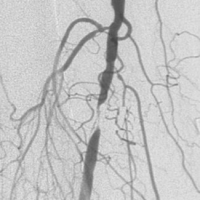
This paper shows that fasting diets are not just weight-loss strategies, but biologically active interventions that may improve macrovascular health through better arterial function, lower vascular inflammation, and ketone-linked protective mechanisms. It is worth reading because it also reveals the key clinical tension behind the field: vascular benefits are promising, but microvascular responses may diverge, making patient selection and endpoint interpretation crucial.
Abstract: This paper aims to synthesize current evidence on the effects of fasting diets on vascular health, drawing from both human clinical trials and animal experimental studies, to identify consistent findings, explore underlying mechanisms, and highlight areas for future research. The review utilises 32 original studies with 7427 total participants (topic deduplicated ΣN). Across the mapped evidence, fasting interventions most consistently aligned with improvements in macrovascular function, including enhanced arterial compliance and reduced arterial stiffness, alongside repeated signals of lower vascular oxidative stress and inflammation in experimental models. A notable counter-signal is that microvascular endothelial health may not uniformly improve: in type 2 diabetes, one randomized trial reported worsening of a microvascular parameter despite improvements in cardiometabolic markers. Mechanistic findings support a plausible vascular-protective pathway through fasting-associated metabolic switching, including β-hydroxybutyrate–linked, autophagy-dependent vasodilation, and immune/microbiome-related modulation of vascular risk phenotypes. Clinically, these patterns suggest fasting regimens may be a useful adjunct for cardiometabolic risk reduction and macrovascular health in selected patients, but warrant caution and monitoring when microvascular disease is present or when diabetes-related microvascular vulnerability is a concern. Future research should prioritize longer-term, head-to-head randomized trials that standardize vascular endpoints and explicitly test why macrovascular benefits can coexist with neutral or adverse microvascular responses across different fasting modalities and patient subgroups.
.
Final search date and database lock: 2026-03-21 10:32:10 CET
Plan: Pro (expanded craft tokens; source: Semantic Scholar)
Source: Semantic Scholar
Total Abstracts/Papers: 363
Downloaded Abstracts/Papers: 363
Included original and non-original Abstracts/Papers (all): 39
Included original Abstracts/Papers (Vote counting by direction of effect): 32
Reference Index (links used in paper): 24
Total participants (topic deduplicated ΣN): 7427
Get access to the full paper
Unlock the full evidence map
The full evidence review, including the Introduction, Methods, Results, Discussion, Conclusion, figures, and complete reference index, opens after purchase or sign-in.
The Evidence Object JSON is a separate machine-readable evidence product: a concentrated synthesis of results, topic-level evidence, and discussion across original and non-original studies. It can be directly input into your LLM, agent, or RAG workflow.
Reference Index (24)
[1] Comparison of High-Protein, Intermittent Fasting Low-Calorie Diet and Heart Healthy Diet for Vascular Health of the Obese — https://doi.org/10.3389/fphys.2016.00350
[2] Fasting mimicking diet cycles versus a Mediterranean diet and cardiometabolic risk in overweight and obese hypertensive subjects: a randomized clinical trial — https://doi.org/10.1038/s44324-023-00002-1
[4] Mitigation of aircraft noise-induced vascular dysfunction and oxidative stress by exercise, fasting, and pharmacological α1AMPK activation: molecular proof of a protective key role of endothelial α1AMPK against environmental noise exposure. — https://doi.org/10.1093/eurjpc/zwad075
[6] The effects of time-restricted feeding on early vascular, liver, and renal structural changes, oxidative stress, and inflammation in obese rats — https://doi.org/10.1038/s41598-025-20502-y
[10] Role of dietary interventions on microvascular health in South-Asian Surinamese people with type 2 diabetes in the Netherlands: A randomized controlled trial — https://doi.org/10.1038/s41387-024-00275-5
[13] Abstract P2072: Integrative Network Analysis Of Microbiome-Immune Axis In Metabolic Syndrome Patients During A Fasting Intervention — https://doi.org/10.1161/hyp.74.suppl_1.p2072
[17] Intermittent Fasting Causes Sex-Specific Effects On Metabolic Switching And Aortic Inflammation In A Mouse Model Of Diet-Induced Metabolic Syndrome — https://doi.org/10.1152/physiol.2024.39.s1.1451
[21] Abstract 161: Alternate Day Fasting With a High Fat and Low Fat Diet: Is Brachial Artery Flow Mediated Dilation Mediated by Adipokine Physiology? — https://doi.org/10.1161/atvb.33.suppl_1.a161
[23] Time-restricted feeding improves aortic endothelial relaxation by enhancing mitochondrial function and attenuating oxidative stress in aged mice — https://doi.org/10.1016/j.redox.2024.103189
[30] Study Protocol: A 2-Month Cross-Over Controlled Feeding Trial Investigating the Effect of Animal and Plant Protein Intake on the Metabolome and Cardiometabolic Health — https://doi.org/10.1093/cdn/nzab057_011