SAIMSARA Journal

Machine Generated Science • ISSN 3054-3991

Popliteal Venous Aneurysm: Scoping Review with ☸️SAIMSARA.

Cardiac & Vascular Health icon

Cardiac & Vascular Health

Issue 1, Volume 1, 2026

DOI: 10.62487/saimsaraee3198be

Editorial note
• Last update: 2026-05-10 07:05:19
What is this paper about
Popliteal venous aneurysm is rare, but the mapped evidence shows why it matters: recurrent PE, saccular morphology, thrombus burden, and size thresholds above 20–25 mm repeatedly point toward clinically relevant embolic risk. The full SAIMSARA evidence map gives humans and AI agents a structured, reference-linked view of presentation patterns, operative strategies, patency outcomes, anticoagulation limits, and unresolved thresholds for intervention.
Human-verified editorial review Verified by World ID proof-of-human. This editorial layer was submitted from a SAIMSARA account verified as a unique human.

Evidence preview · Did you know?
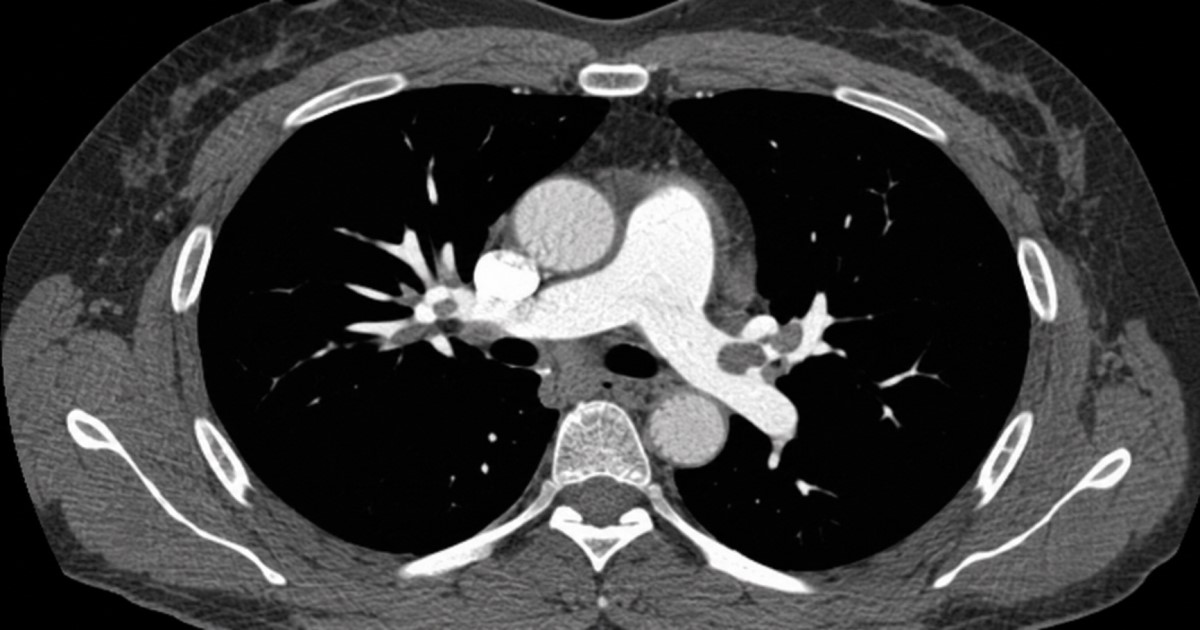
Medical visual of popliteal venous aneurysm as a hidden source of pulmonary embolism risk.

A knee-vein lesion can present in the lungs

Did you know? Pulmonary embolism is reported as the presenting symptom in 70–80% of popliteal venous aneurysm cases.

This makes PVA clinically important far beyond a local finding behind the knee.
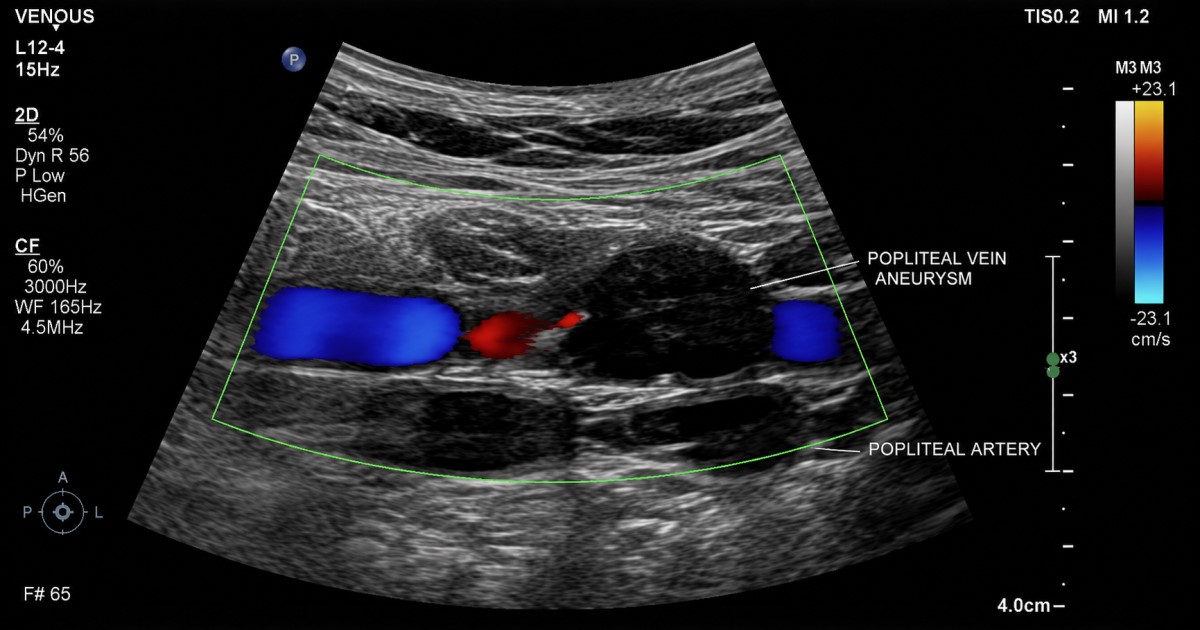
Duplex ultrasound style medical scene showing aneurysm size, morphology, and turbulent venous flow.

Size and shape are not innocent details

Did you know? Aneurysms >20–25 mm and saccular morphology are linked with higher DVT/PE risk and turbulent flow.

The evidence map treats diameter and morphology as practical decision signals, not just anatomy.

Clinical vascular decision scene showing anticoagulation, surgery, and follow-up surveillance for venous aneurysm.

Anticoagulation may not close the source

Did you know? Recurrent thromboembolism can occur despite therapeutic anticoagulation; mixed literature reports a 43% anticoagulation-alone failure signal.

This is why symptomatic, thrombotic, large, or saccular PVAs often shift discussion toward repair and surveillance.

Swipe sideways on mobile · full evidence map opens after unlock

Abstract: This review aims to synthesize current evidence regarding the clinical presentation, morphological risk factors, histopathological drivers, and surgical outcomes of popliteal vein aneurysms to inform clinical decision-making and identify gaps in the existing literature. The review utilises 104 original studies with 3227 total participants (topic deduplicated ΣN). The mapped evidence indicates that popliteal vein aneurysm is a clinically important venous lesion in which pulmonary embolism is the presenting feature in 70–80% of cases, and where size thresholds above 20–25 mm and saccular morphology emerge as consistent signals for thromboembolic risk (p = .029 for size >20 mm; p = .003 for size vs. thromboembolism; p = .046 for saccular lower-extremity morphology). Across case series and cohorts, surgical repair—particularly tangential aneurysmectomy with lateral venorrhaphy—was repeatedly associated with favorable outcomes, with one operative series reporting 87.5% primary and 100% secondary patency at 26 months and another axillary-vein reconstruction cohort reporting 100% patency over 65 months. The synthesis also supports a role for matrix metalloproteinase–driven wall degeneration as a mechanistic contributor and highlights anticoagulation alone as insufficient, with reported failure rates around 43% in mixed literature. Clinically, these signals support maintaining a high index of suspicion for PVA in unexplained pulmonary embolism, paradoxical stroke, or chronic thromboembolic pulmonary hypertension, and favor early operative repair for symptomatic, large, or saccular lesions over conservative management. The mapped evidence is, however, dominated by retrospective single-patient reports, which limits certainty regarding the management of small incidentally detected fusiform aneurysms and special populations such as pregnant or pediatric patients. Future prospective multicenter studies should establish size- and morphology-based intervention thresholds for asymptomatic PVAs and directly compare reconstructive techniques, including plication, autologous panel or roll grafts, and axillary vein interposition, across long-term patency and recurrence endpoints.

Keywords: Popliteal vein aneurysm; Pulmonary embolism; Deep vein thrombosis; Venous thromboembolism; Aneurysmorrhaphy; Tangential aneurysmectomy; Venous reconstruction; Venous plication; Chronic thromboembolic pulmonary hypertension; Paradoxical embolism

Review Stats

Get access to the full paper

Unlock the full evidence map

The full evidence review, including the Introduction, Methods, Results, Discussion, Conclusion, figures, and complete reference index, opens after purchase or sign-in. The Evidence Object JSON is a separate machine-readable evidence product: a concentrated synthesis of results, topic-level evidence, and discussion across original and non-original studies. It can be directly input into your LLM, agent, or RAG workflow.

Reference Index (77)