

SAIMSARA Journal

Machine Generated Science • ISSN 3054-3991

Therapeutic Drug Monitoring (TDM) of Antibiotics: Scoping Review with ☸️SAIMSARA.

Infectious Diseases

Infectious Diseases

Issue 7, Volume 1, 2026

DOI: 10.62487/saimsara002717c5

Editorial note
• Last update: 2026-05-15 22:49:02
What is this paper about
Therapeutic drug monitoring of antibiotics turns dosing from guesswork into measurable precision, especially in critically ill, pediatric, burn, ECMO, renal-replacement, and other high-risk patients where standard regimens often miss PK/PD targets. This SAIMSARA evidence map is worth reading because it separates practical dosing signals from implementation noise, mapping β-lactams, vancomycin, aminoglycosides, toxicity thresholds, assay reliability, digital dosing tools, and stewardship workflows across 394 original studies.
Human-verified editorial review Verified by World ID proof-of-human. This editorial layer was submitted from a SAIMSARA account verified as a unique human.

Evidence preview · Did you know?
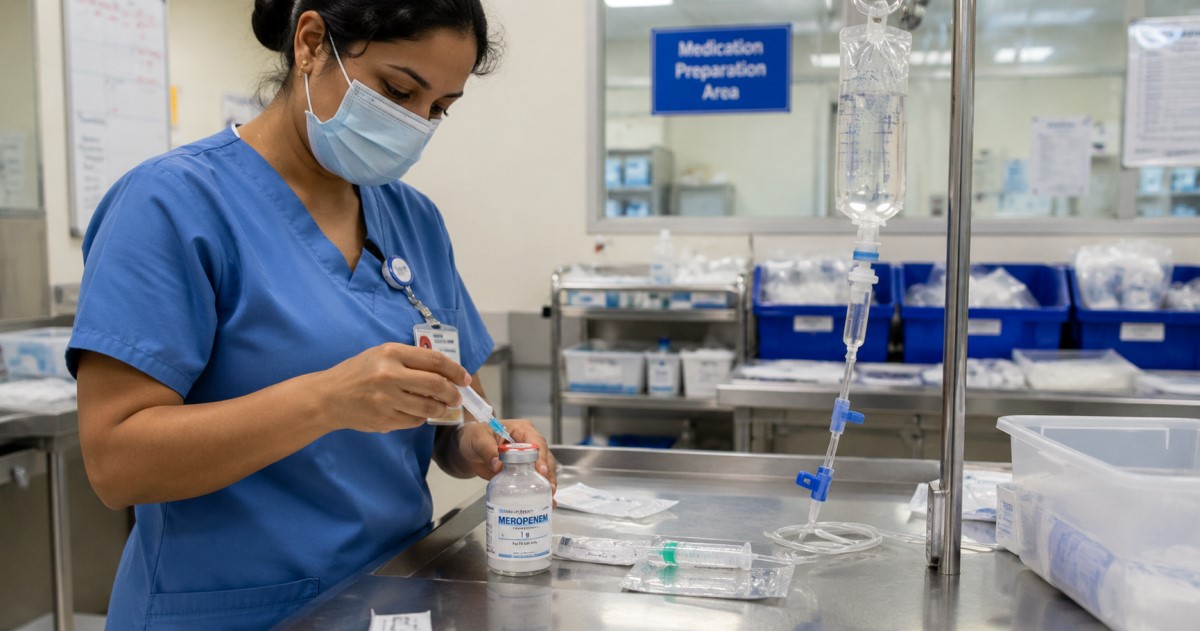
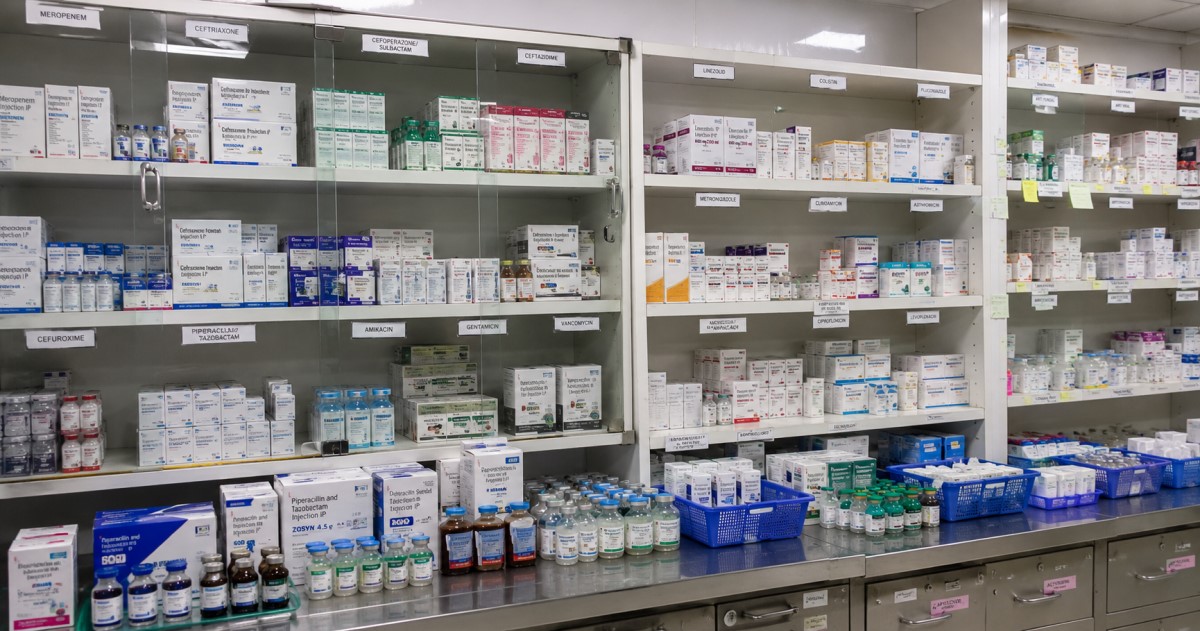
Modern ICU scene with antibiotic infusion, laboratory monitoring, and precision dosing dashboard.

Monitoring can change the dose

Did you know? In critically ill children, TDM-guided dose adjustment improved target attainment from 20% to 70%.

This makes antibiotic dosing measurable instead of relying only on standard regimens in unstable patients.
Clinical pharmacology visualization showing antibiotic concentration curves missing the therapeutic target zone.

Standard ICU dosing often misses

Did you know? β-lactam PK/PD targets were missed in 39.3% of critically ill adults in one ICU study.

Meropenem and piperacillin samples were also frequently non-target, showing why “usual dose” may be unreliable.

Hospital safety-control scene showing antibiotic toxicity alert, neurologic risk, and dosing safeguards.

Overexposure is also a safety issue

Did you know? Cefepime troughs above 20 mg/L were linked to a fivefold higher neurologic-event risk.

TDM is not only about reaching efficacy targets; it can also help prevent toxic antibiotic exposure.

Swipe sideways on mobile · full evidence map opens after unlock

Abstract: To synthesize original studies on antibiotic therapeutic drug monitoring (TDM), emphasizing the recurring clinical signal, mapped research topics, implementation implications, and future research priorities. The review uses 175 references and builds its evidence map from 394 original studies with 430680 total participants/sample observations (topic-deduplicated ΣN). This scoping review indicates that antibiotic TDM most consistently functions as a precision-dosing tool to detect and correct unpredictable exposure in critically ill, pediatric, burn, ECMO, renal replacement therapy, and other special populations, where standard dosing frequently misses PK/PD targets. The recurring signal—exemplified by 39.3% non-attainment in critically ill adults and improvement from 20% to 70% target attainment after TDM-guided adjustment in critically ill children—supports a role for TDM as an actionable feedback intervention rather than a passive laboratory test. However, randomized evidence on patient-centered outcomes remains limited and inconsistent, and implementation depends on sampling accuracy, assay standardization, and interpretive workflows. Future pragmatic trials pairing real-time or model-informed TDM with harmonized assays and clinically meaningful endpoints are needed to clarify where antibiotic TDM translates target attainment into improved survival, toxicity, and stewardship outcomes.

Keywords: Therapeutic drug monitoring; Antibiotics; Pharmacokinetics; Pharmacodynamics; Dose optimization; Critically ill patients; Beta-lactams; Vancomycin; Aminoglycosides; Sepsis

Review Stats

Get access to the full paper

Unlock the full evidence map

The full evidence review, including the Introduction, Methods, Results, Discussion, Conclusion, figures, and complete reference index, opens after purchase or sign-in. The Evidence Object JSON is a separate machine-readable evidence product: a concentrated synthesis of results, topic-level evidence, and discussion across original and non-original studies. It can be directly input into your LLM, agent, or RAG workflow.

Reference Index (175)