Longevity icon

☸️SAIMSARA Journal
Longevity: Articles
Issue 2, Volume 1, 2026 in progress

14 result(s) • Page 1 / 2
This paper shows that OMT is not confined to musculoskeletal symptom relief, but sits at the intersection of pain modulation, autonomic regulation, neonatal care, and selected inpatient applications, with its strongest recurrent signal in chronic low back pain. The full read is worth it because it separates where the evidence is genuinely convincing, where mechanistic findings deepen the clinical story, and where the field still rests on mixed or low-certainty data.
Doc: OSTEOPATHIC_TREATMENT_PM • v2026-03-31 • Editorial check 2026-04-02
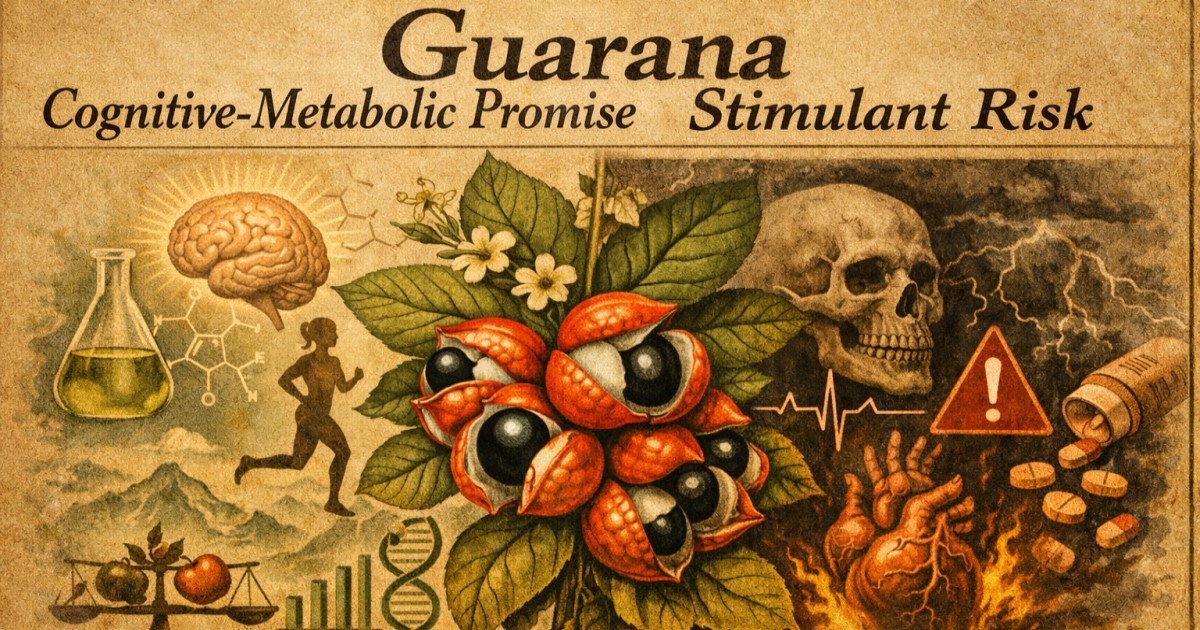
The aim of this review is to synthesize the current scientific literature regarding the biological activities, clinical efficacy, and safety profile of guarana across human, animal, and in vitro models. The review utilises 167 original studies with 251199 total participants (topic deduplicated ΣN). The evidence map suggests that guarana has its clearest human signals in acute cognitive performance and metabolic regulation, alongside notable safety concerns at higher stimulant exposures. In particular, guarana-containing interventions were associated with body fat reductions of 5.53% at 4 weeks…
Doc: GUARANA_PM • v2026-03-29 • Editorial check 2026-03-29
This paper shows that economic inequality is not just a background social problem, but a force linked to worse health, weaker trust, more violence, and poorer collective resilience. The full paper is worth reading because it shows how inequality affects real outcomes across medicine, behavior, and society, and why both personal hardship and the perception of unfairness seem to matter.
Doc: ECONOMIC_INEQUALITY_PM • v2026-03-26 • Editorial check 2026-03-28
This paper shows that women usually live longer than men, but that extra survival often comes with more years lived with disability, multimorbidity, and reduced independence rather than more healthy years. The full paper is worth reading because it shows where the female advantage remains strong, where it weakens, and which conditions and life circumstances most clearly explain the difference.
Doc: FEMALE_LIFE_EXPECTANCY_PM • v2026-03-28 • Editorial check 2026-03-28
This paper shows that people in urban areas now usually live longer and spend more years in good health, but the gap is not fixed and seems to depend on cardiovascular risk, injuries, deprivation, and access to care. The full paper is worth reading because it shows where the urban advantage is strongest, where rural populations still do better, and which health system failures most likely drive the difference.
Doc: URBAN_RURAL_PM • v2026-03-27 • Editorial check 2026-03-27
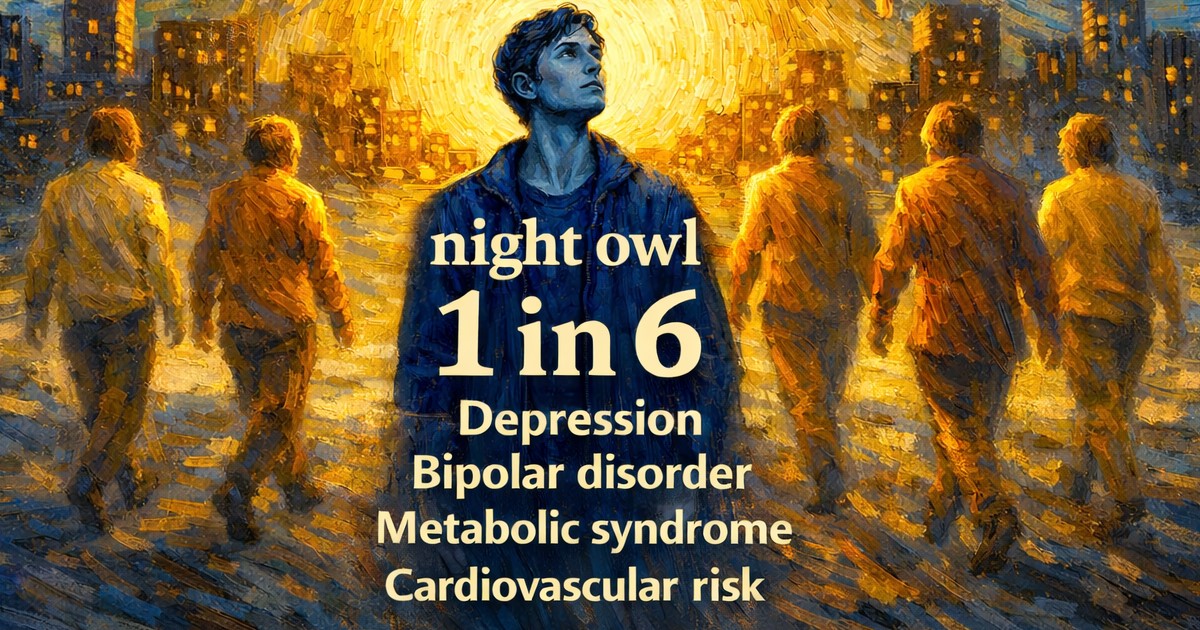
This paper shows that chronotype is not a trivial lifestyle preference, but a biologically meaningful pattern linked across a huge evidence base to mood, sleep, metabolism, behavior, and real-world performance. The full paper is worth reading because it clarifies how strongly eveningness clusters with risk, where the signal is most consistent, and whether aligning life with one’s internal clock could become a practical lever for better health and longevity.
Doc: MORNINGNESS_VS_EVENINGNESS_SS • v2026-02-28 • Editorial check 2026-03-25
This paper shows that coffee is not simply “good” or “bad” for health: moderate intake is repeatedly linked with lower risks of stroke, dementia, diabetes, and death, while higher intake and certain coffee types can also carry harm signals. Read the full paper to see where the benefits look most convincing, where the evidence becomes conflicting, and which patients may need more caution than the usual “2–3 cups a day” message suggests.
Doc: COFFEE_SS • v2026-03-22 • Editorial check 2026-03-23
This review maps a large clinical evidence base showing that COVID-19 vaccines were generally linked to a strong safety-benefit balance: serious complications such as myocarditis and VITT were rare, while protection against severe COVID-19 outcomes and death remained substantial. Read the full paper to see which risks were truly recurrent, which populations were most vulnerable, and how the balance differed by vaccine platform, age, pregnancy, chronic disease, and immunocompromised status.
Doc: COVID19_VACCINE_COMPLICATIONS_SS • v2026-03-23 • Editorial check 2026-03-23
This review shows that COVID-19 vaccination was generally linked to lower mortality, especially in older and high-risk groups, but that protection decreased over time and improved again after booster doses. Read the full paper to see where the evidence is strongest, which groups benefit most, and where important safety and interpretation questions remain.
Doc: COVID19_VACCINE_MORTALITY_SS • v2026-03-23 • Editorial check 2026-03-23
This paper shows that daylight saving time is not a harmless calendar ritual: the clock changes align with measurable spikes in mortality, suicide, cardiovascular events, sleep loss, and road danger, with the spring and autumn transitions carrying distinct risks. Read the full paper to see where the strongest signals emerge, which outcomes remain inconsistent, and why the evidence increasingly points toward ending biannual clock changes rather than treating them as a neutral social habit.
Doc: DST_HEALTH_SS • v2026-03-23 • Editorial check 2026-03-23
This paper shows that coffee is not a proven anti-aging therapy, yet the mapped evidence still suggests a biologically plausible link to longer survival through oxidative-stress and insulin/IGF-1 pathways, with human data pointing to modest benefit rather than clear harm. Read the full text to see where the real signal lies, which findings are only indirect or genotype-specific, and why the apparent longevity story of coffee is much more nuanced than popular health claims suggest.
Doc: COFFEE_LONGEVITY_SS • v2026-03-22 • Editorial check 2026-03-22
The aim of this paper is to systematically review and synthesize the available evidence on the health effects, both beneficial and adverse, of sauna bathing in human populations, identifying key findings, clinical implications, and future research directions. The review utilises 519 original studies with 541510 total participants (topic deduplicated ΣN). Across the mapped evidence, frequent sauna bathing shows a consistent signal of lower major cardiometabolic and neurological risk, including associations such as a 37% lower risk of sudden cardiac death with 4–7 sessions/week versus 1 session/…
Doc: SAUNA_HEALTH_SS • v2026-03-21 • Editorial check 2026-03-21