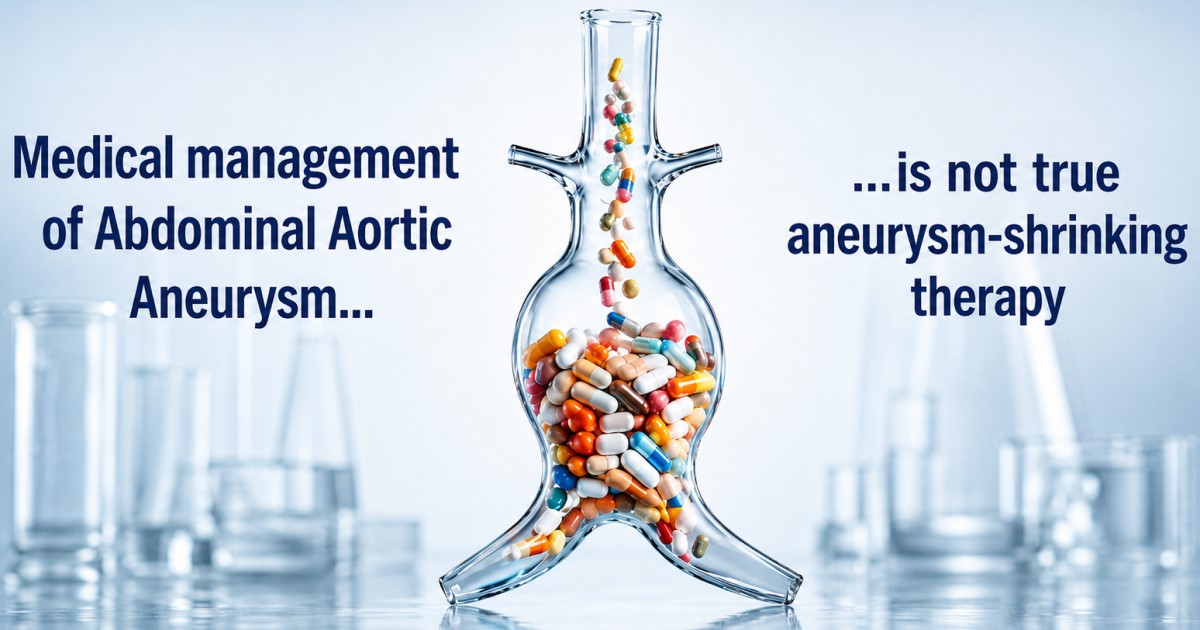
Medical Management of Abdominal Aortic Aneurysm: Scoping Review with ☸️SAIMSARA.
This review shows that the strongest medication signal in AAA is not true aneurysm-shrinking therapy, but better survival: statins and antiplatelet treatment repeatedly track with lower long-term mortality, while most putative growth-modifying drugs still rest on mixed or observational evidence. It maps where medical AAA care is already actionable today, where metformin and other candidates remain uncertain, and which pharmacologic strategies may genuinely change aneurysm biology rather than just cardiovascular risk.

Peripheral Artery Disease Treatment: Scoping Review with ☸️SAIMSARA.
PAD is not failing for lack of options — it is failing because the right options are too often used in isolation, too late, or not at all. This review shows where the strongest treatment signals truly are, from rivaroxaban-plus-aspirin and exercise therapy to IVUS-guided revascularization, and why real progress depends on combining them into one strategy.
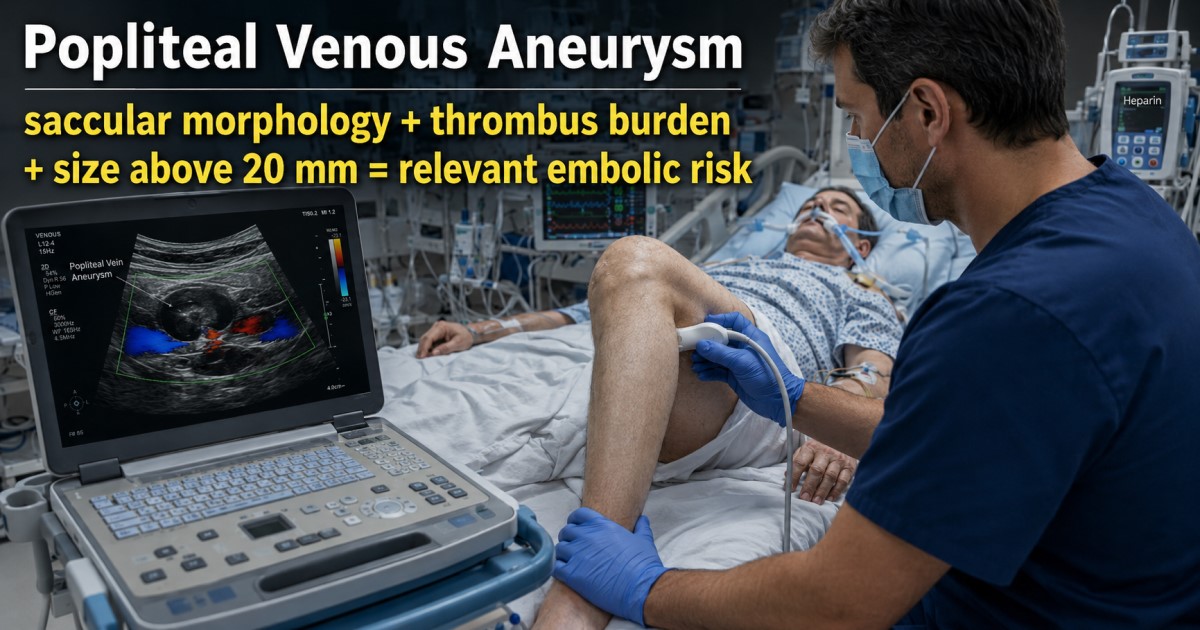
Popliteal Venous Aneurysm: Scoping Review with ☸️SAIMSARA.
Popliteal venous aneurysm is rare, but the mapped evidence shows why it matters: recurrent PE, saccular morphology, thrombus burden, and size thresholds above 20–25 mm repeatedly point toward clinically relevant embolic risk. The full SAIMSARA evidence map gives humans and AI agents a structured, reference-linked view of presentation patterns, operative strategies, patency outcomes, anticoagulation limits, and unresolved thresholds for intervention.
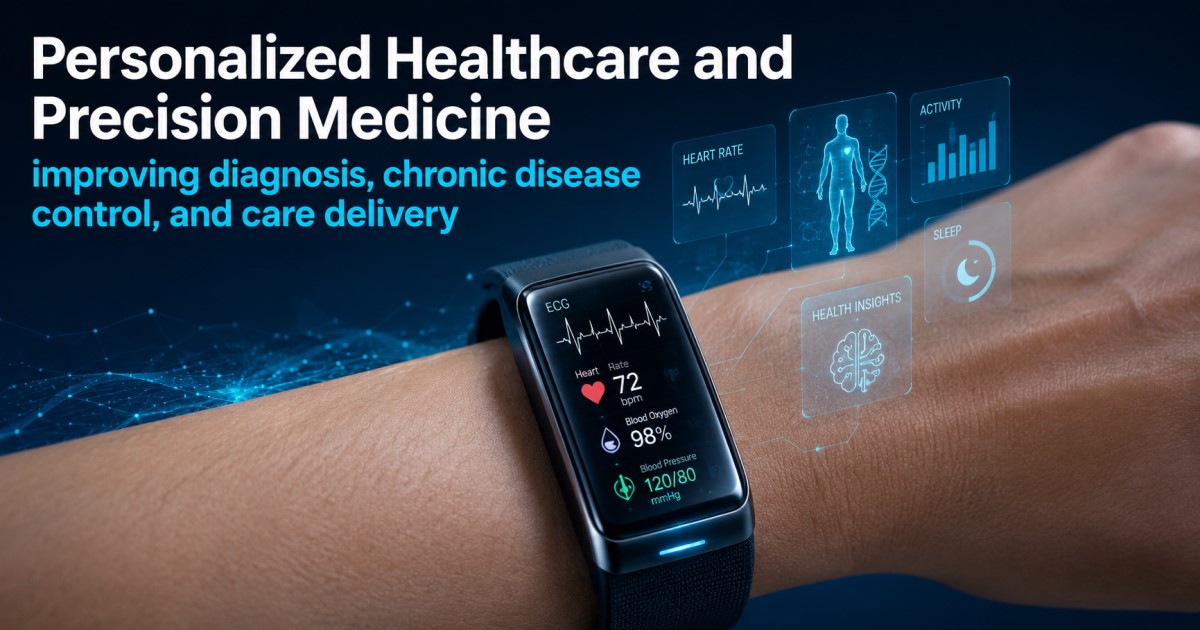
Personalized Healthcare and Precision Medicine: Scoping Review with ☸️SAIMSARA.
Personalized healthcare is no longer just a promise of precision medicine — this review shows where it is already becoming clinically real, from AI prediction and pharmacogenomics to wearable monitoring and tailored care pathways. Across more than 1,300 original studies, the paper maps which personalized strategies are truly improving diagnosis, chronic disease control, and care delivery — and where the field still risks failing on fairness, infrastructure, and real-world implementation.
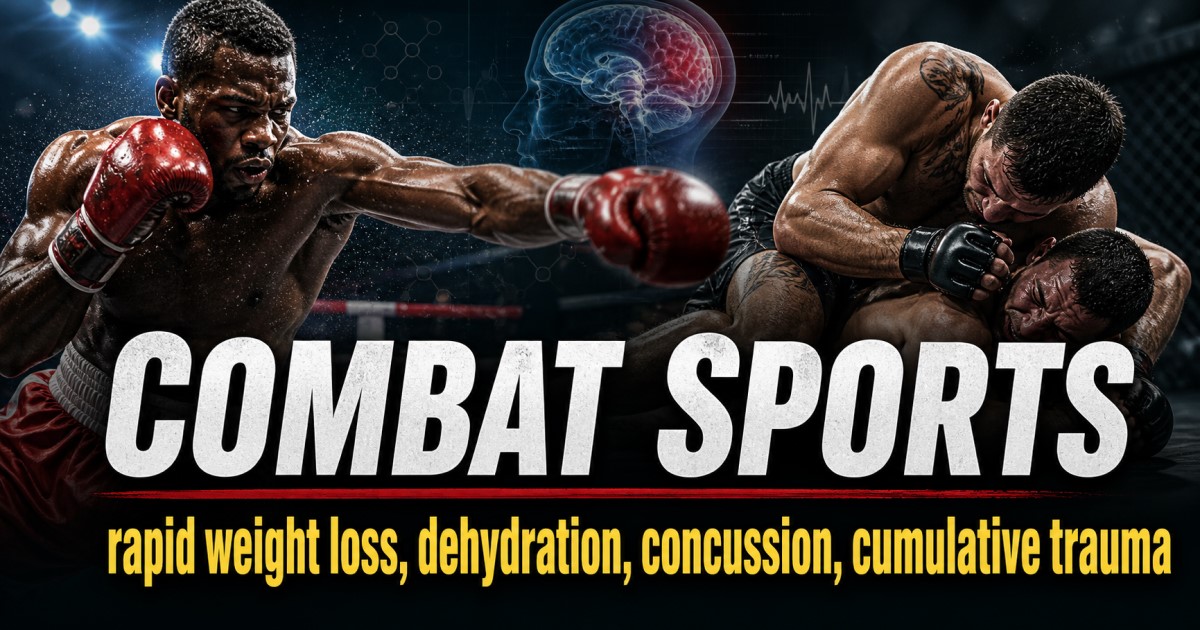
Combat Sports Medicine: Scoping Review with ☸️SAIMSARA.
Combat sports are not only contests of power, technique, and mental resilience — they are also defined by a dangerous hidden physiology of rapid weight loss, dehydration, concussion, and cumulative trauma. This review maps where performance advantage ends and measurable athlete harm begins, highlighting why modern combat-sport medicine must integrate weight-cut monitoring, concussion protocols, ringside screening, and female-athlete surveillance.

Coffee: Scoping Review with ☸️SAIMSARA.
This paper shows that coffee is not simply “good” or “bad” for health: moderate intake is repeatedly linked with lower risks of stroke, dementia, diabetes, and death, while higher intake and certain coffee types can also carry harm signals. Read the full paper to see where the benefits look most convincing, where the evidence becomes conflicting, and which patients may need more caution than the usual “2–3 cups a day” message suggests.
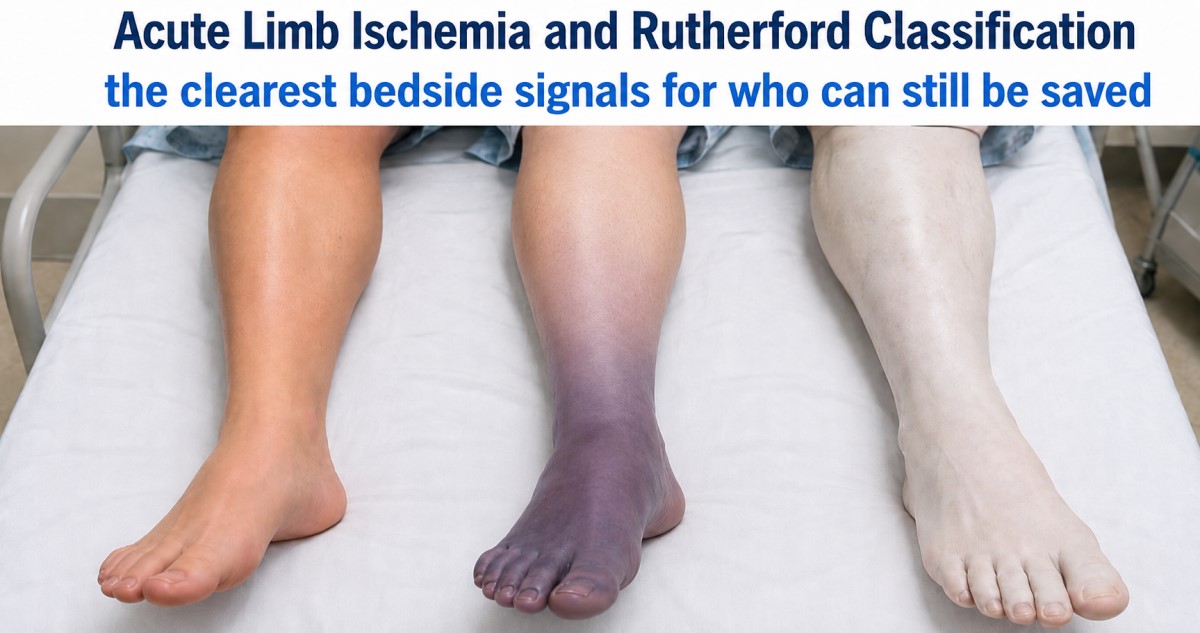
Acute Limb Ischemia and Rutherford Classification: Scoping Review with ☸️SAIMSARA.
This paper shows that Rutherford classification is not just a staging label in acute limb ischemia, but one of the clearest bedside signals for who can still be saved, who needs immediate action, and where delay turns threatened limb into loss. The full read is worth it because it separates the real prognostic and treatment signal from observational noise—showing where endovascular therapy performs well, where Rutherford IIb becomes the decisive tipping point, and why timing still matters even within the same severity class.

Sauna and Health: Scoping Review with ☸️SAIMSARA.
The aim of this paper is to systematically review and synthesize the available evidence on the health effects, both beneficial and adverse, of sauna bathing in human populations, identifying key findings, clinical implications, and future research directions. The review utilises 519 original studies with 541510 total participants (topic deduplicated ΣN). Across the mapped evidence, frequent sauna bathing shows a consistent signal of lower major cardiometabolic and neurological risk, including associations such as a 37% lower risk of sudden cardiac death with 4–7 sessions/week versus 1 session/…
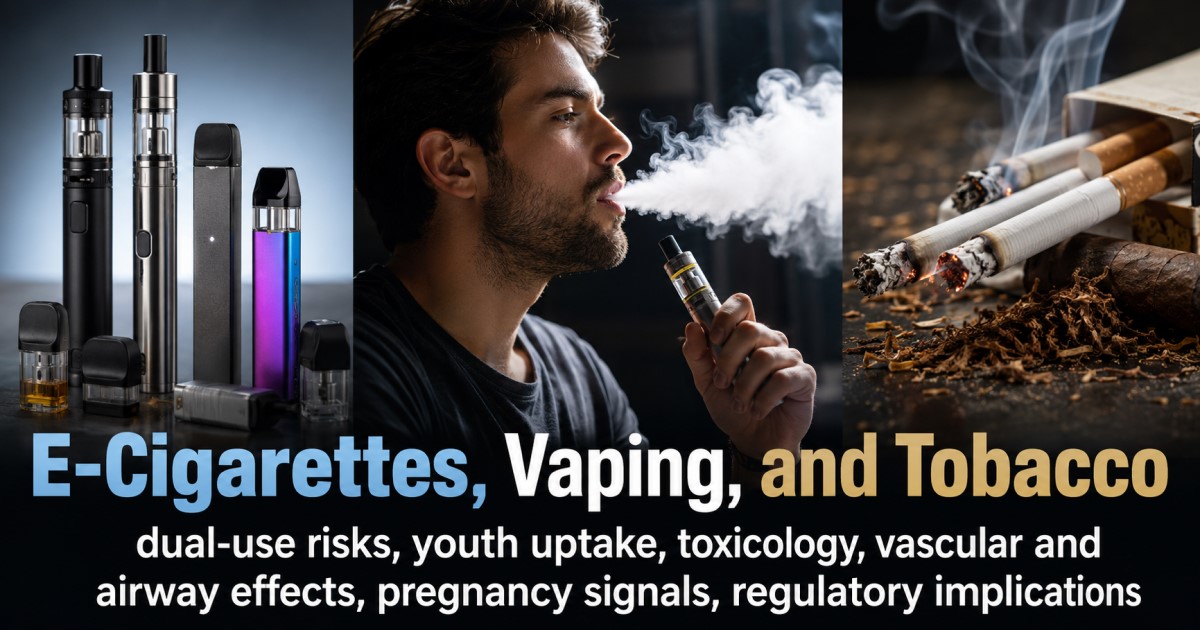
E-Cigarettes, Vaping, and Tobacco: Scoping Review with ☸️SAIMSARA.
E-cigarettes may reduce selected harms when they fully replace combustible tobacco, but this evidence map shows why they cannot be treated as harmless nicotine products. The full SAIMSARA evidence map gives human- and machine-readable access to 123 references, clarifying substitution benefits, dual-use risks, youth uptake, toxicology, vascular and airway effects, pregnancy signals, and regulatory implications.
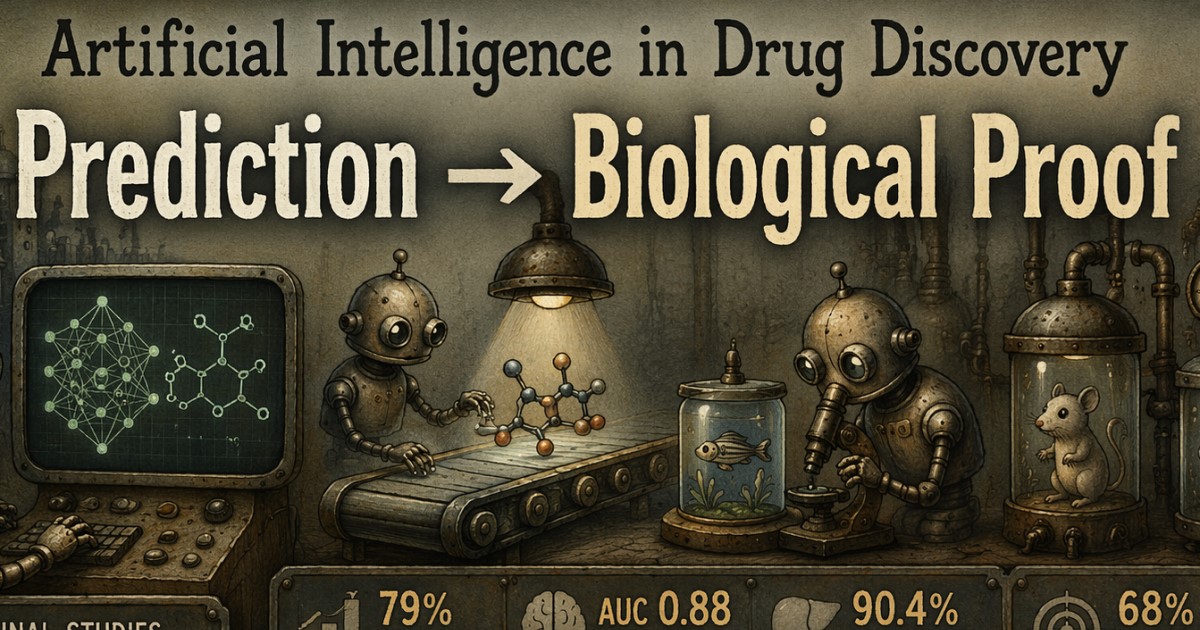
Artificial Intelligence in Drug Discovery: Scoping Review with ☸️SAIMSARA.
This review shows where AI is already delivering real value in drug discovery: not just faster predictions, but experimentally validated hits, better ADMET screening, large-scale virtual screening, and even early human translation. It maps which AI advances are truly credible, which claims remain fragile, and where the field is genuinely moving from hype to practical therapeutic impact.
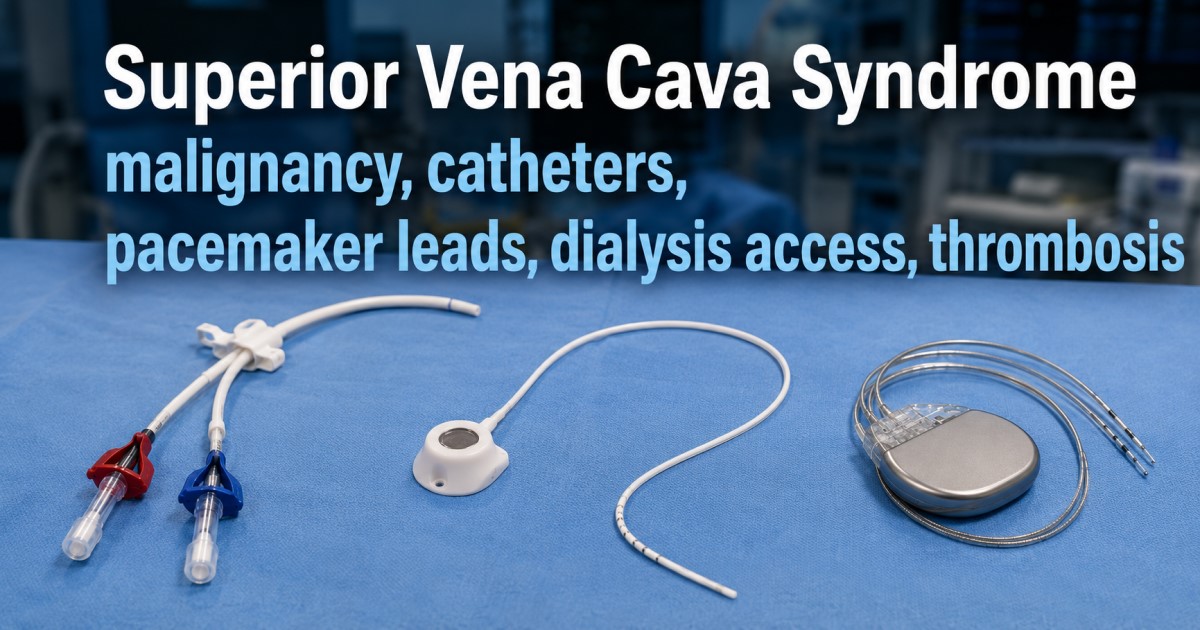
Superior Vena Cava Syndrome: Scoping Review with ☸️SAIMSARA.
Superior vena cava syndrome is no longer only an oncologic emergency: this evidence map shows how malignancy, catheters, pacemaker leads, dialysis access, thrombosis, pediatric mediastinal tumors, and procedural risks converge in one clinically complex syndrome. The full SAIMSARA evidence map gives human- and machine-readable access to 1,185 original studies, clarifying when to prioritize tissue diagnosis, endovascular stenting, oncologic therapy, airway planning, or benign-disease venous reconstruction.
Prostitution, Sex Work, and Public Health: Scoping Review with ☸️SAIMSARA.
Prostitution is not a single behavior but a public-health risk context where trauma, violence, substance use, infectious disease, stigma, and legal environment repeatedly intersect across 633 original studies and 3.76M topic-deduplicated participants. The full SAIMSARA evidence map gives both human-readable synthesis and machine-readable JSON for LLMs, tracing where harm concentrates, which interventions show measurable benefit, and where policy, clinical care, and exit-support models still need stronger evidence.