Vascular Health icon

☸️SAIMSARA Journal
Vascular Health: Articles
Issue 1, Volume 1, 2026 in progress

35 result(s) • Page 2 / 3
The paper tackles one of endovascular medicine’s most controversial questions: whether DCBs truly carry a late mortality risk. Mapping 170 original studies, it shows why the feared signal largely fades in broader evidence, where comorbidity and indication matter more than the device itself — and reveals the few settings where uncertainty still remains.
Doc: DCB_AND_MORTALITY • v2026-03-24 • Editorial check 2026-03-25
This paper shows that DCB is not just a technical upgrade over POBA, but a consistently stronger strategy for restenosis-prone vascular disease, with better patency and fewer repeat interventions across coronary ISR, femoropopliteal lesions, BTK disease, and dialysis access. The full paper is worth reading because it reveals where that advantage is most convincing, where technique and vessel preparation change the outcome, and how much of DCB’s real-world value lies in selecting the right lesion, not just the device.
Doc: DCB_VS_POBA_SS • v2026-03-11 • Editorial check 2026-03-25
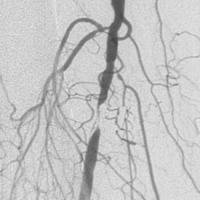
This paper shows that DVT is rarely a single-trigger event, but the end result of converging risks spanning infection, cancer, hormones, catheters, surgery, genetics, and inflammation. The full paper is worth reading because it reveals which risk factors carry the strongest clinical signal, how they cluster in real patients, and where prevention can most realistically stop thrombosis before it becomes PE or post-thrombotic syndrome.
Doc: DVT_RISK_SS • v2026-02-27 • Editorial check 2026-03-25
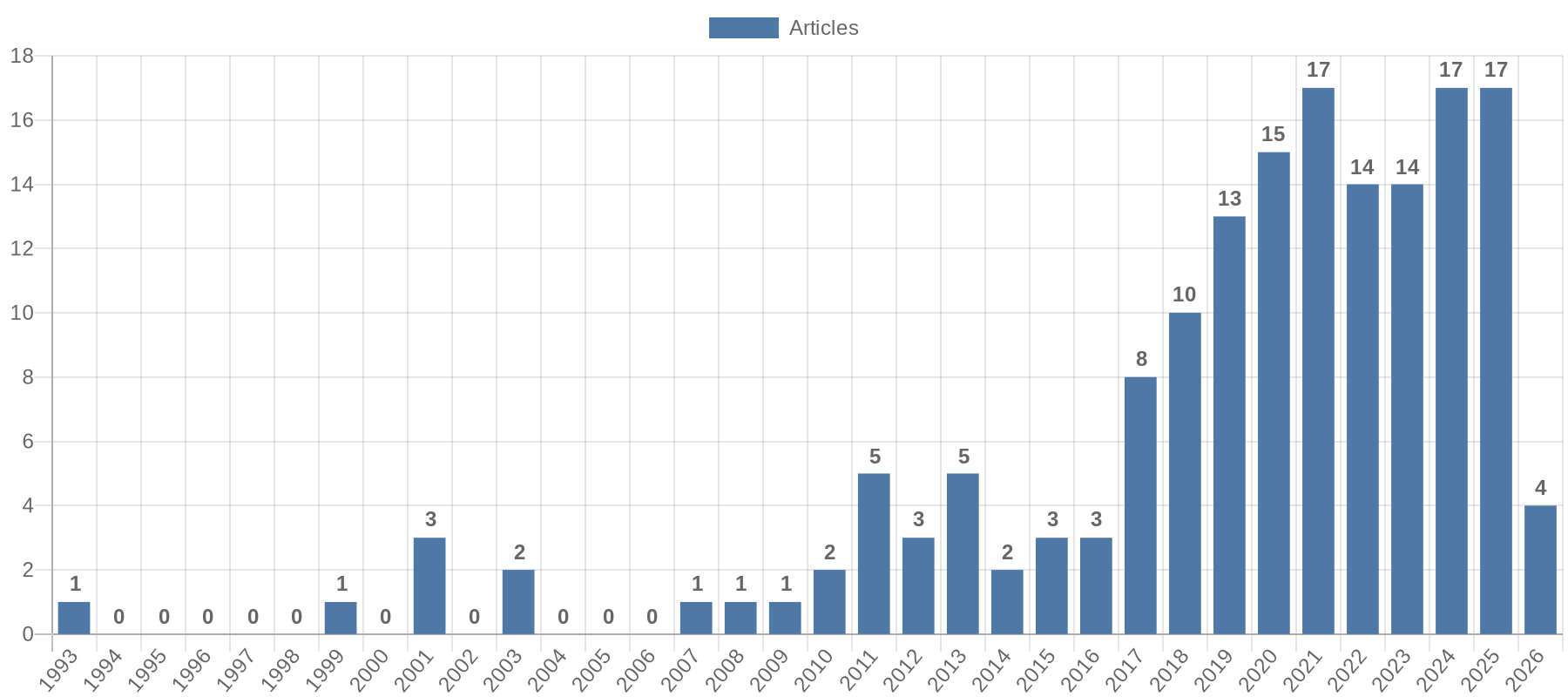
This review shows where thrombolysis in DVT truly helps and where it does not: the clearest signal is in selected iliofemoral disease, where modern catheter-based clot removal may improve patency and reduce post-thrombotic syndrome, but only at the cost of real bleeding risk. Read the full paper to see which techniques look most promising, which patients benefit most, and where the evidence still breaks down.
Doc: DVT_THROMBOLYSIS • v2026-03-17 • Editorial check 2026-03-25
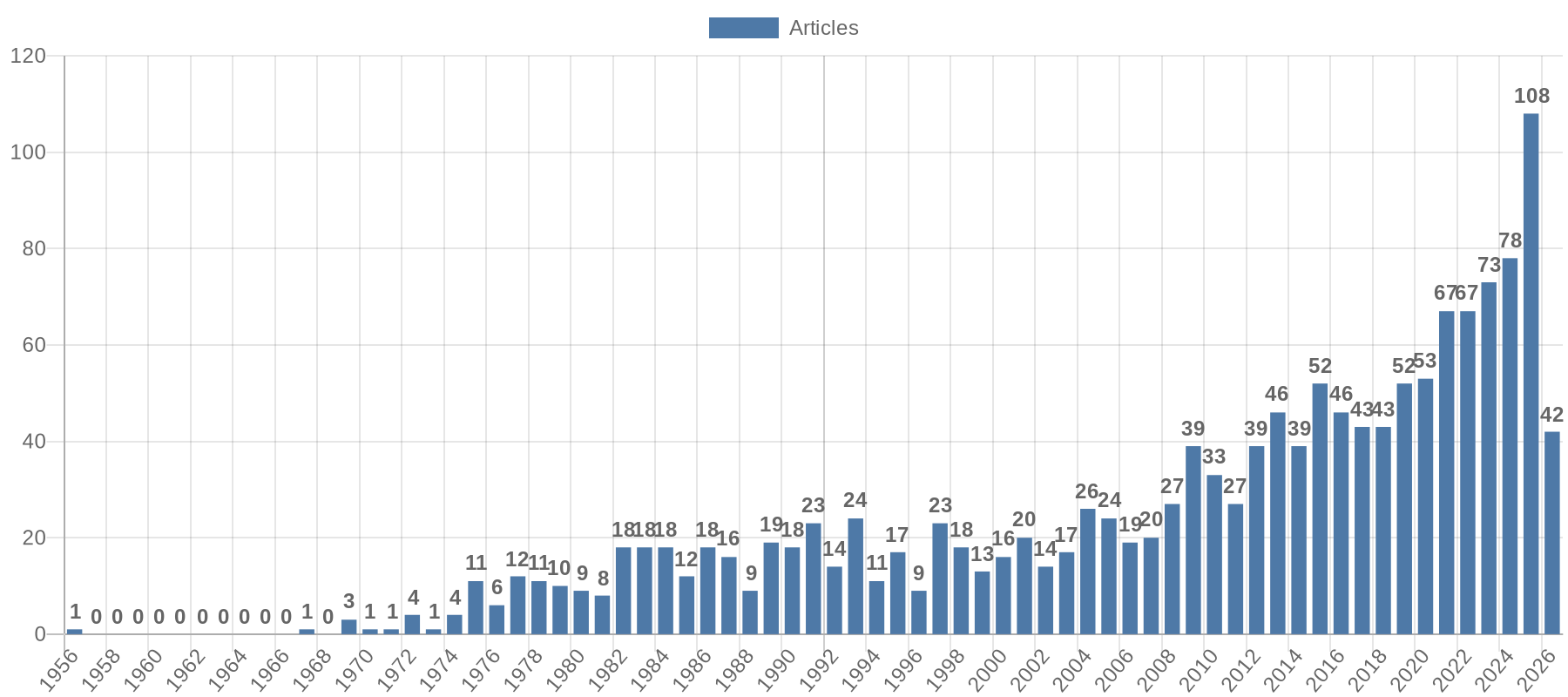
This review shows that DVT is not just a problem of stasis — it is a biologically active inflammatory process driven by endothelial injury, platelet–leukocyte crosstalk, and NET-mediated immunothrombosis. Read the full paper to see which mechanisms are strongest, which patient phenotypes carry the clearest signals, and which emerging biomarkers and targets could reshape risk stratification and therapy.
Doc: PATHOPHYSIOLOGY_OF_DVT_SS • v2026-03-17 • Editorial check 2026-03-25
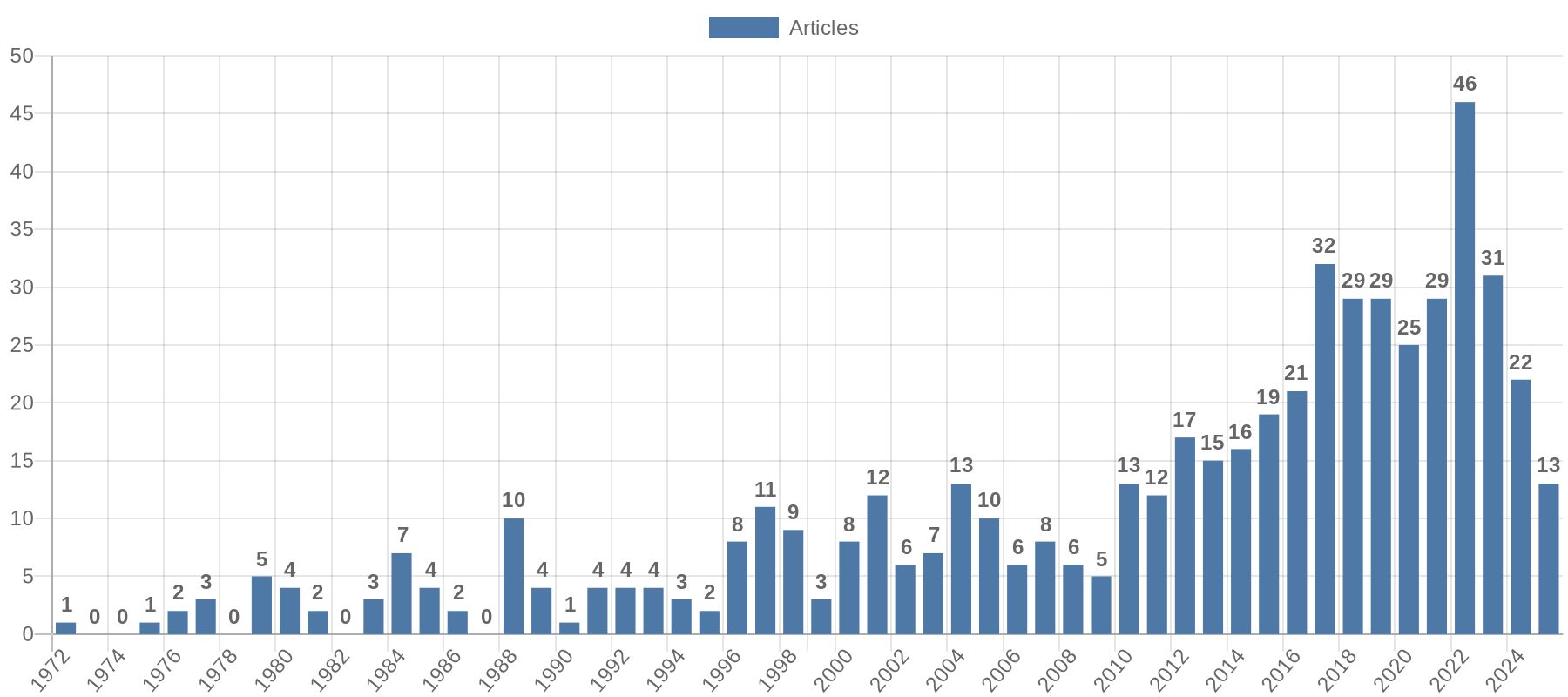
This paper shows that the choice between carotid endarterectomy and carotid stenting is not just a technical preference, but a clinically meaningful trade-off between stroke risk, myocardial infarction risk, and long-term durability. Read the full paper to see which patients truly benefit from CEA as the default option, where CAS still has a justified role, and how 670 original studies map the evidence behind that decision.
Doc: CEA_VS_CAS_SS • v2026-03-22 • Editorial check 2026-03-22
Carotid stenosis outcomes are not determined by narrowing alone: this review shows how symptom status, procedure choice, restenosis, and plaque vulnerability markers can decisively shift stroke risk and long-term prognosis. Read the full paper to see which patients appear to benefit from intervention, where CEA and CAS truly diverge, and why modern risk stratification may need to move beyond luminal stenosis.
Doc: CAROTID_OUTCOME_SS • v2026-03-20 • Editorial check 2026-03-21
This paper shows that fasting diets are not just weight-loss strategies, but biologically active interventions that may improve macrovascular health through better arterial function, lower vascular inflammation, and ketone-linked protective mechanisms. It is worth reading because it also reveals the key clinical tension behind the field: vascular benefits are promising, but microvascular responses may diverge, making patient selection and endpoint interpretation crucial.
Doc: FASTING_VASCULAR_HEALTH_SS • v2026-03-21 • Editorial check 2026-03-21
This paper shows that in carotid stenosis, the real difference is not only who gets operated on, but who receives and continues the right medical therapy. It is worth reading because it identifies the medication strategies that most consistently align with better outcomes and exposes adherence as a major, underappreciated driver of prognosis.
Doc: MEDICATION_CAROTID_SS • v2026-03-20 • Editorial check 2026-03-21
PSV is not just a number for grading carotid stenosis—it can signal restenosis risk, hemodynamic compromise, plaque instability, and response to revascularization, but only when interpreted in the right anatomical and technical context. Read the full paper to see where PSV truly adds clinical value, where it can mislead, and how the evidence supports smarter carotid ultrasound decision-making.
Doc: CAROTID_PSV_SS • v2026-03-20 • Editorial check 2026-03-21
This paper shows that prolonged fasting is not a single “healthy” or “harmful” phenomenon, but a powerful biological stressor that can trigger major systemic remodeling while producing very different clinical effects depending on duration, population, and context. It is worth reading because it maps where fasting may improve metabolism and perioperative care, where it may carry real risk, and how a broad, mixed literature can be turned into a clinically usable evidence landscape.
Doc: PROLONGED_FASTING_PM • v2026-03-21 • Editorial check 2026-03-21
This paper shows that carotid shunts are neither universally protective nor universally harmful: they can reduce stroke risk in selected high-risk carotid surgery patients, but they also introduce their own complications. It is worth reading because it maps when shunting may truly help, when it may be unnecessary, and how monitoring can guide a safer, more tailored surgical strategy.
Doc: CAROTID_SHUNT_SS • v2026-03-16 • Editorial check 2026-03-20