Vascular Health icon

☸️SAIMSARA Journal
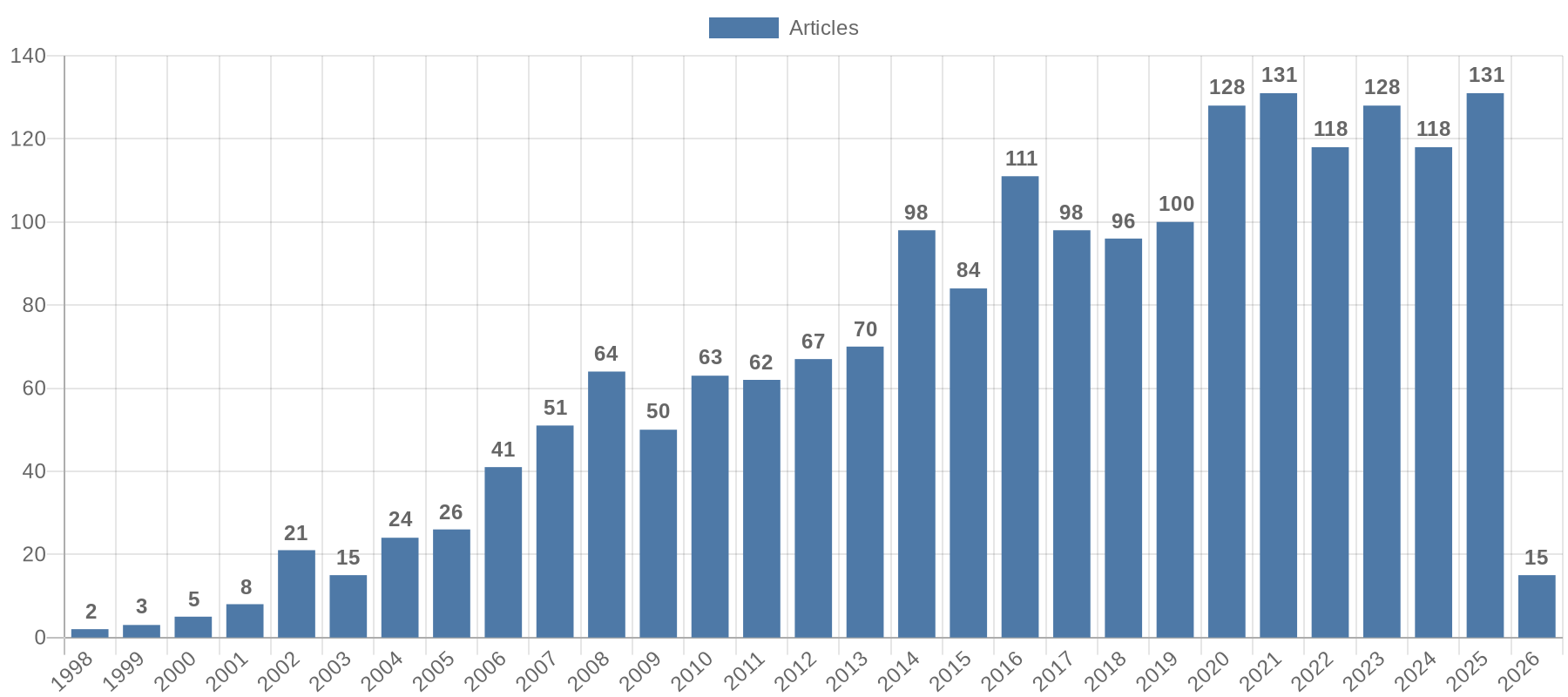
Vascular Health: Articles
Issue 1, Volume 1, 2026 in progress

35 result(s) • Page 3 / 3
This paper shows that CT angiography in carotid stenosis is not just about measuring narrowing: it can reveal plaque vulnerability, near-occlusion, carotid webs, and hidden stroke risk that standard stenosis thresholds may miss. It is worth reading because it maps where CT truly adds clinical value, where it can mislead, and how more structured CTA reporting could change decision-making.
Doc: CAROTID_CT_SS • v2026-03-16 • Editorial check 2026-03-20
This paper shows that carotid stenosis is not a rare incidental finding but a patterned disease concentrated in stroke, TIA, and clearly defined high-risk groups—while broad screening in low-yield populations adds little. It is worth reading because it maps where carotid imaging truly matters and why future risk assessment may need to move beyond percent narrowing toward plaque vulnerability.
Doc: CAROTID_PREVALENCE_SS • v2026-03-14 • Editorial check 2026-03-20
This paper aims to synthesize current research on the pathophysiology of peripheral artery disease, identifying key biological mechanisms, molecular markers, and contributing factors to provide a comprehensive overview of the disease's underlying processes. The review utilises 100 original studies with 1005011 total participants (topic deduplicated ΣN). This scoping review comprehensively mapped the current evidence on the pathophysiology of peripheral artery disease, highlighting its intricate and multifactorial nature. A central finding across the evidence base is the pervasive role of endot…
Doc: PAD_PATHOPHYSIOLOGY_SS • v2026-03-10
The main message of this paper is that current treatment of atherosclerosis relies mainly on standard preventive therapies—cholesterol lowering, combination lipid therapy, and blood-pressure control—whereas future treatment may come from more precise targeting of inflammation, endothelial injury, oxidative stress, immune pathways, and plaque biology. The review maps 47 original research topics, from combination therapies to cannabinoid receptor modulation, and 10 recurrent directions in the non-original literature, from lipid reduction to personalized imaging of plaque burden.
Doc: ATHEROSCLEROSIS_TREATMENT_SS • v2026-03-13 • Editorial check 2026-03-17
Rural Australians have more heart disease and worse outcomes than people in metropolitan areas. Better prevention, telehealth, and regional cardiac care may help reduce this gap, but the available evidence is still insufficient.
Doc: CARDIOVASC_DISPARITIES_SS • v2026-03-16 • Editorial check 2026-03-17
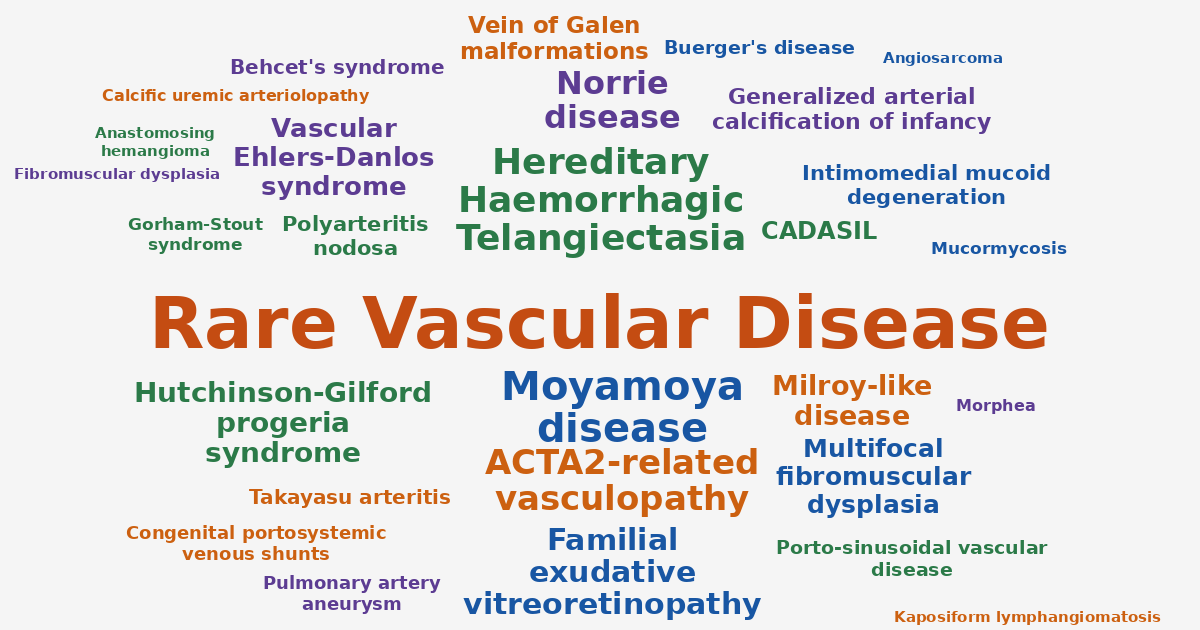
This paper aims to synthesize current knowledge on the diverse spectrum of rare vascular diseases, their underlying mechanisms, diagnostic approaches, and therapeutic interventions, as identified in the provided structured extraction summary. The review utilises 35 original studies with 1293 total participants (topic deduplicated ΣN). Across 72 mapped records spanning genetic/developmental, inflammatory/autoimmune, portal–hepatic, pulmonary, and other rare vascular entities, the evidence landscape is broad but methodologically uneven, with recurrent signals pointing to diagnostic delay and the…
Doc: RARE_VASC_DISEASE_SS • v2026-03-10 • Editorial check 2026-03-17
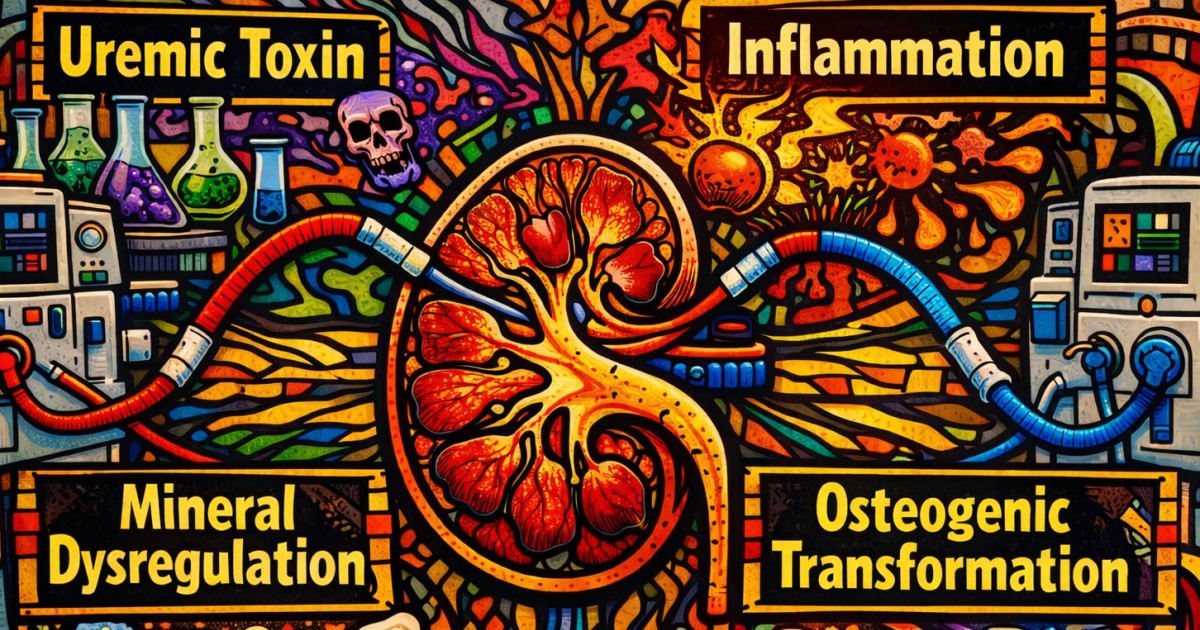
This paper shows that vascular calcification in CKD is not a passive byproduct of renal failure, but an active, biologically driven process fueled by phosphate burden, uremic toxins, inflammation, and VSMC transdifferentiation. The full paper is worth reading because it maps where the strongest mechanistic and clinical signals converge across 1,230 original studies, and highlights which biomarkers and interventions may actually become actionable in routine CKD care.
Doc: CKD_VASC_CALC_SS • v2026-03-12 • Editorial check 2026-03-15
This paper shows that semaglutide is far more than a weight-loss drug: across a vast evidence base it emerges as a multi-system therapy with meaningful effects on obesity, diabetes, cardiovascular risk, kidney disease, and even liver and neurodegenerative pathways. The full paper is worth reading because it separates the real breadth of benefit from the hype, showing where the evidence is strongest, where safety and access concerns matter, and how semaglutide may be reshaping modern metabolic medicine.
Doc: SEMAGLUTIDE_PM • v2026-02-27 • Editorial check 2026-03-15
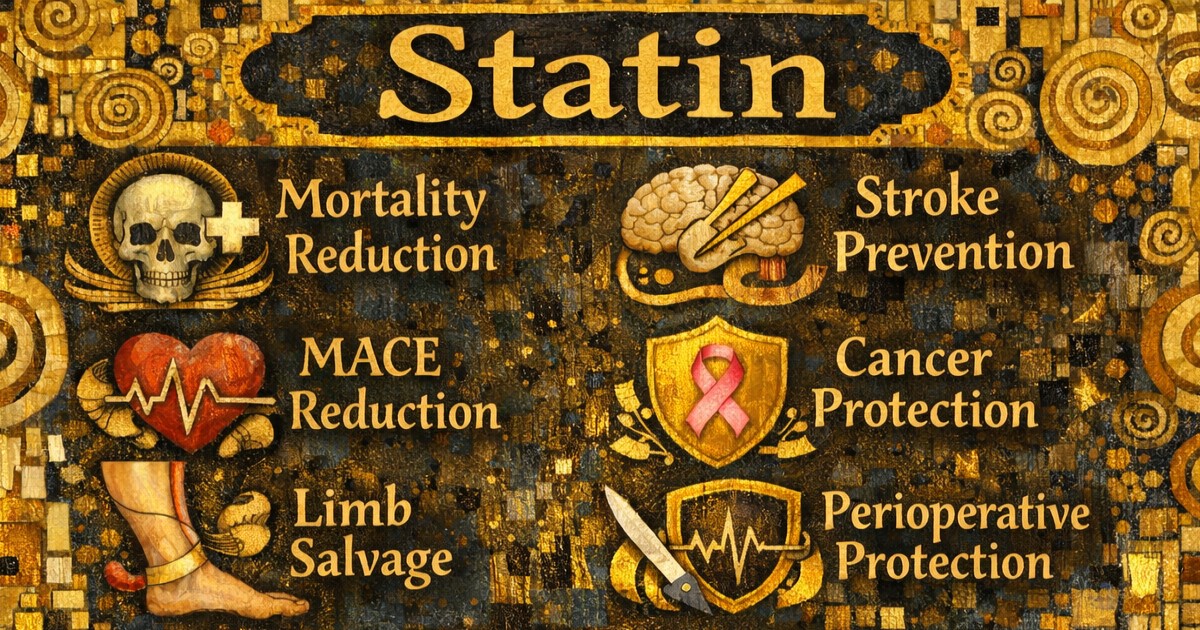
This paper shows that statins remain one of the strongest cardiovascular therapies, consistently linked to fewer major events and lower mortality across very large populations, but not without trade-offs such as diabetes risk, muscle symptoms, and rises in lipoprotein(a). The full paper is worth reading because it shows where the benefit is most convincing, where the risks matter most, and how to think more clearly about the real balance between protection and harm.
Doc: STATIN_SS • v2026-03-10 • Editorial check 2026-03-15
This systematic review aims to synthesize the evidence from the provided literature on statin medication. The review focuses on synthesizing key themes related to clinical outcomes, adverse effects, medication adherence, and the role of statins across a variety of patient populations and clinical contexts. The review utilises 1638 original studies with 43990309 total participants (naïve ΣN). This systematic review synthesizes a broad landscape of evidence on statin medication, confirming its central role in cardiovascular risk reduction while highlighting significant challenges and areas of on…
Doc: STATIN_MEDICATION_PM • v2026-03-02
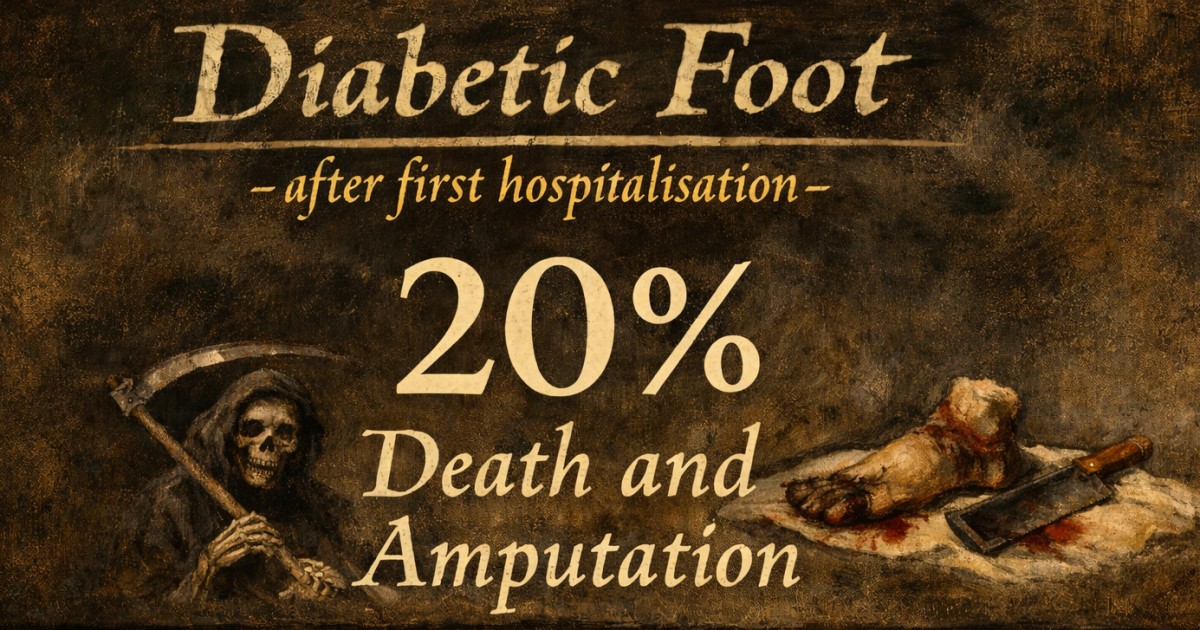
Diabetic foot is not just a wound problem but a high-stakes collision of neuropathy, ischemia, infection, and delayed care, with a median major amputation rate of 10.3% across the mapped evidence. This review shows where the strongest signals truly are: why multidisciplinary care can cut major amputations by up to 80%, which risk factors matter most, and which emerging diagnostics and regenerative therapies may actually change outcomes.
Doc: DIABETIC_FOOT_PM • v2026-03-04 • Editorial check 2026-02-24