☸️ SAIMSARA Journal
Online First Issues About Impressum

AI-Native Scoping Reviews & Evidence Mapping

ISSN 3054-3991 · ISSN record ↗
The Journal publishes AI-generated scoping reviews in medical and life sciences under editorial oversight, with transparent citations and versioning. Online First articles are continuously released by registered users. Issues are organized by domain and linked to an interactive AI RAG chatbot.
Articles reviewed for clinical integrity and proper references by the Editor-in-Chief are marked with .

Read aims & scope, publishing model & policies →

Issues

Domain issues provide an archive / table of contents and a paired RAG agent.
Vascular Health icon
Vascular Health
Issue 1 • Vol 1 (2026) in progress
Longevity icon
Longevity
Issue 2 • Vol 1 (2026) in progress
To propose a new domain issue or suggest curation criteria, use Impressum contact.
Online First: 64 article(s) • Page 2 / 6 Full archive (source) →
Medical machine translation may look fluent, but this review shows where it still breaks: semantic precision, cultural nuance, audience adaptation, and high-stakes clinical reliability. The full read is worth it because it separates the real strengths of MT in constrained tasks from the specific failure modes that still make expert human oversight essential.
Updated: 2026-03-29 • ID: limitations-medical-machine-translation__20250921_210051__e1a843d5 • Editorial check 2026-03-29
This paper shows that Rutherford classification is not just a staging label in acute limb ischemia, but one of the clearest bedside signals for who can still be saved, who needs immediate action, and where delay turns threatened limb into loss. The full read is worth it because it separates the real prognostic and treatment signal from observational noise—showing where endovascular therapy performs well, where Rutherford IIb becomes the decisive tipping point, and why timing still matters even within the same severity class.
Updated: 2026-03-29 • ID: acute-limb-ischemia-rutherford-classification-20260213-224153-0aca7d8d • Editorial check 2026-03-29
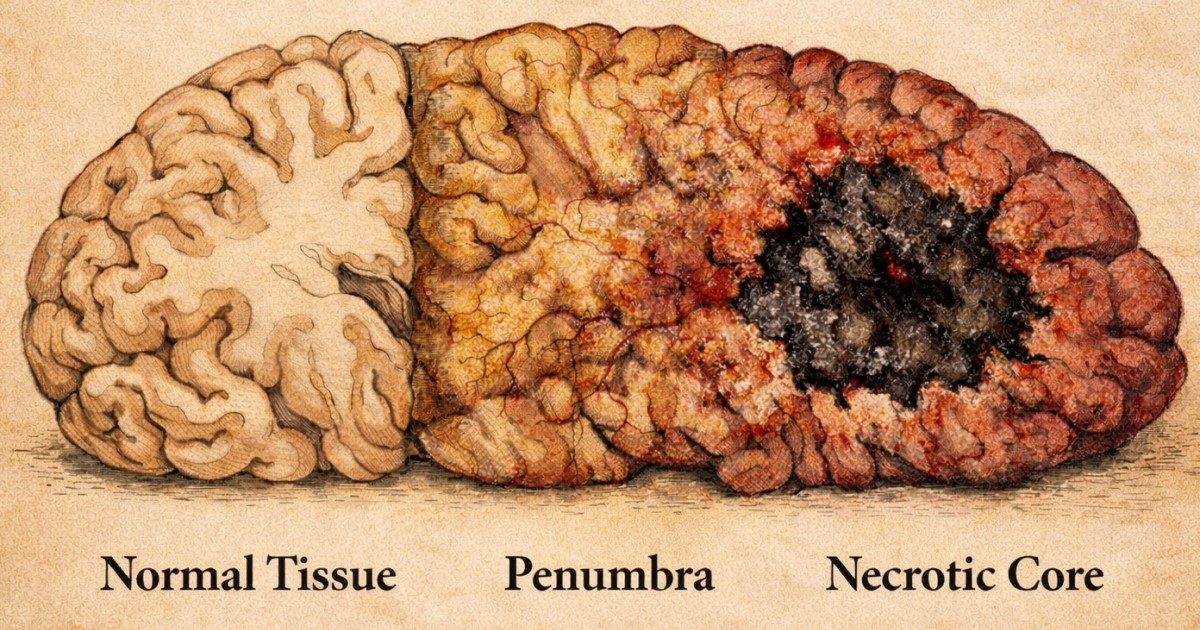
This paper shows that the ischemic penumbra is not just a fading border around stroke core, but a dynamic and biologically active therapeutic target whose fate depends on collaterals, metabolism, BBB integrity, and how fast true reperfusion is achieved. The full read is worth it because it separates the real clinical signal from the hype—showing where tissue-based stroke decisions already work, where imaging and software still disagree, and which next-generation strategies may actually preserve salvageable brain.
Updated: 2026-03-29 • ID: ischemic-penumbra-20260228-190250-6f777af3 • Editorial check 2026-03-29
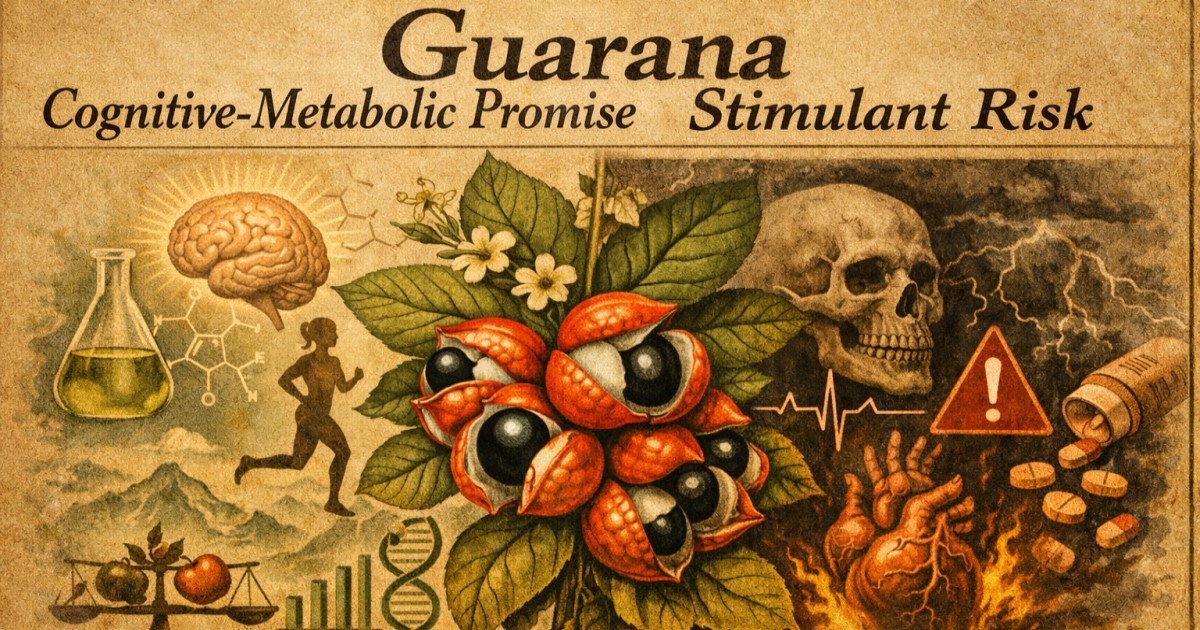
The aim of this review is to synthesize the current scientific literature regarding the biological activities, clinical efficacy, and safety profile of guarana across human, animal, and in vitro models. The review utilises 167 original studies with 251199 total participants (topic deduplicated ΣN). The evidence map suggests that guarana has its clearest human signals in acute cognitive performance and metabolic regulation, alongside notable safety concerns at higher stimulant exposures. In particular, guarana-containing interventions were associated with body fat reductions of 5.53% at 4 weeks…
Updated: 2026-03-29 • ID: guarana-health-20251203-123923-b08b44a9 • Editorial check 2026-03-29
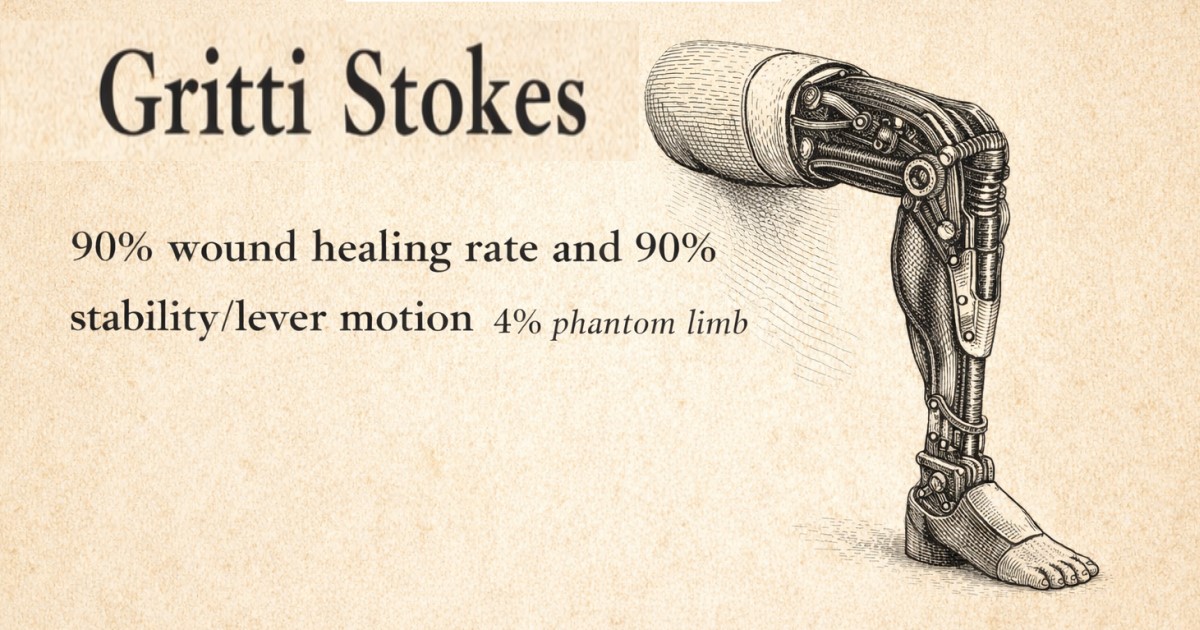
This paper shows that Gritti-Stokes amputation may offer more than limb removal alone: in selected patients it appears to preserve a more stable, functional stump with surprisingly strong links to prosthetic fitting, mobility, and even longer-term survival. The full paper is worth reading because it clarifies where this old technique still has real modern value, which patients may benefit most, and why its outcomes may compare more favorably than many assume.
Updated: 2026-03-28 • ID: gritti-stokes-20260306-182051-c8546978 • Editorial check 2026-03-29
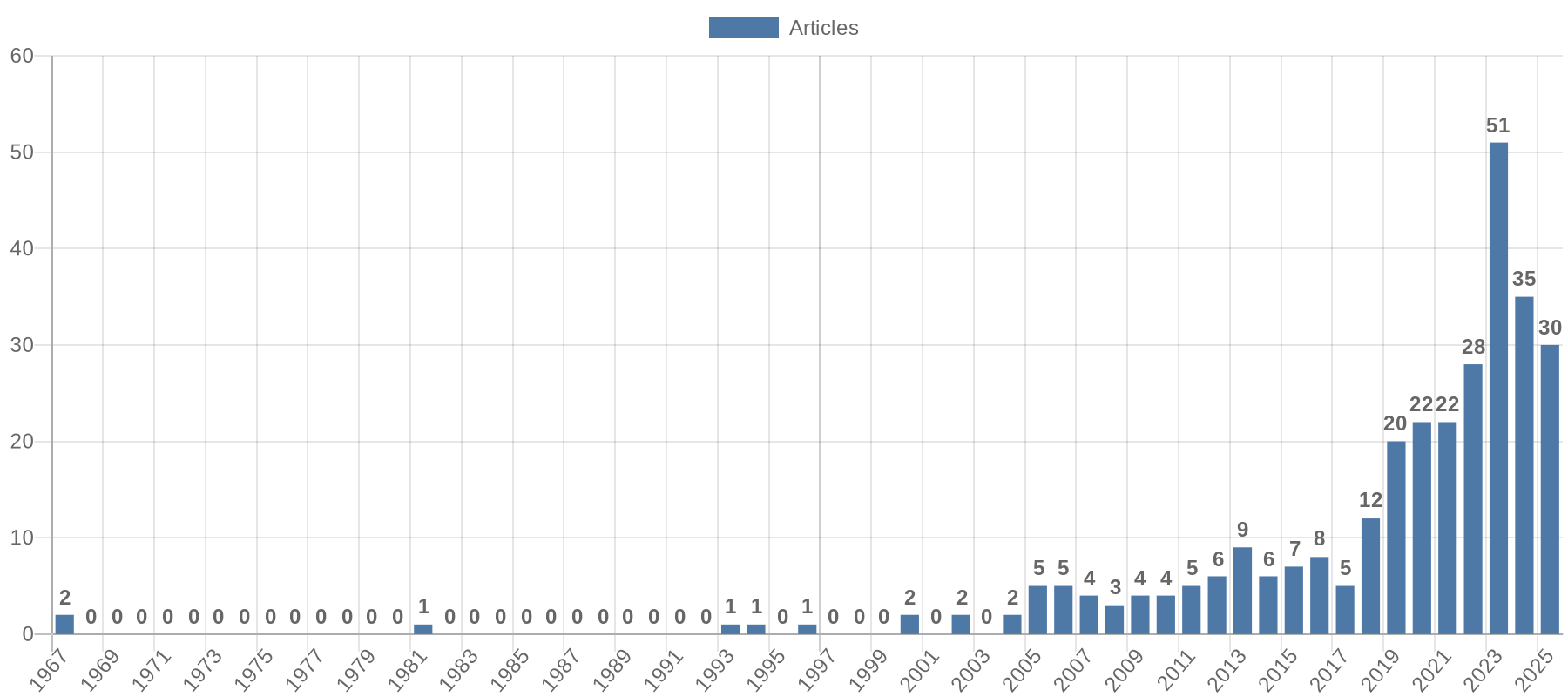
This paper shows that the future of scientific publishing will not be defined by AI alone, but by whether publishing can become more transparent, machine-readable, open, and resistant to predatory and low-signal science at the same time. The full read is worth it because it maps where this transition is already happening, where it is failing, and which concrete changes in publishing, peer review, and research evaluation are most likely to matter next.
Updated: 2026-03-28 • ID: future-scientific-publishing-20251011-200201-da26548b • Editorial check 2026-03-28
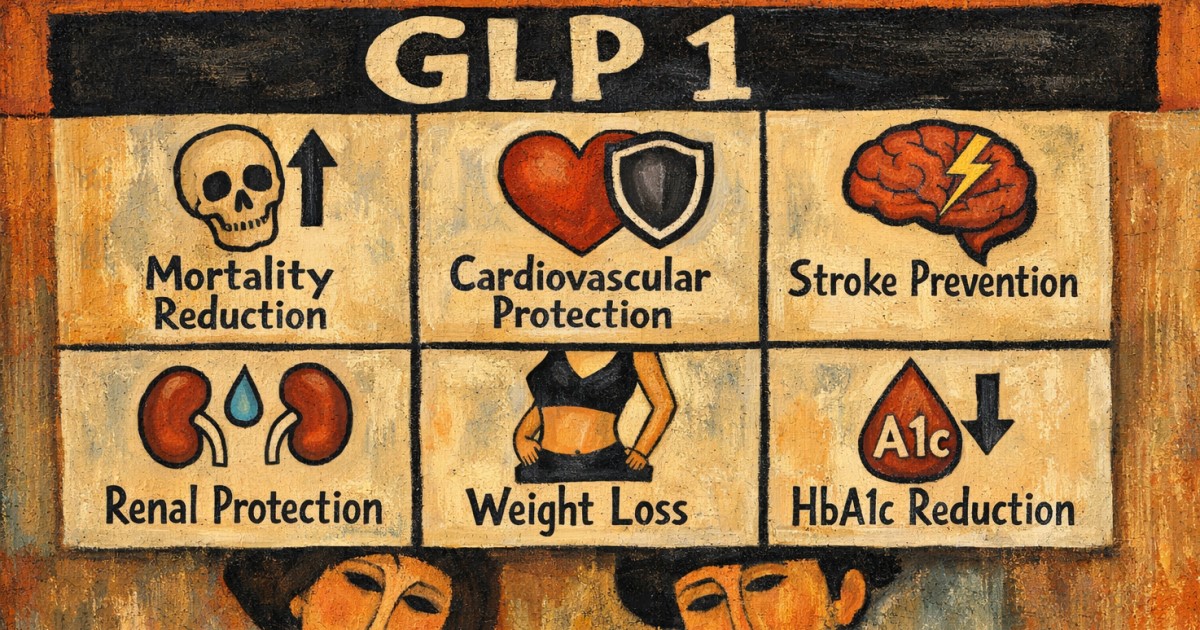
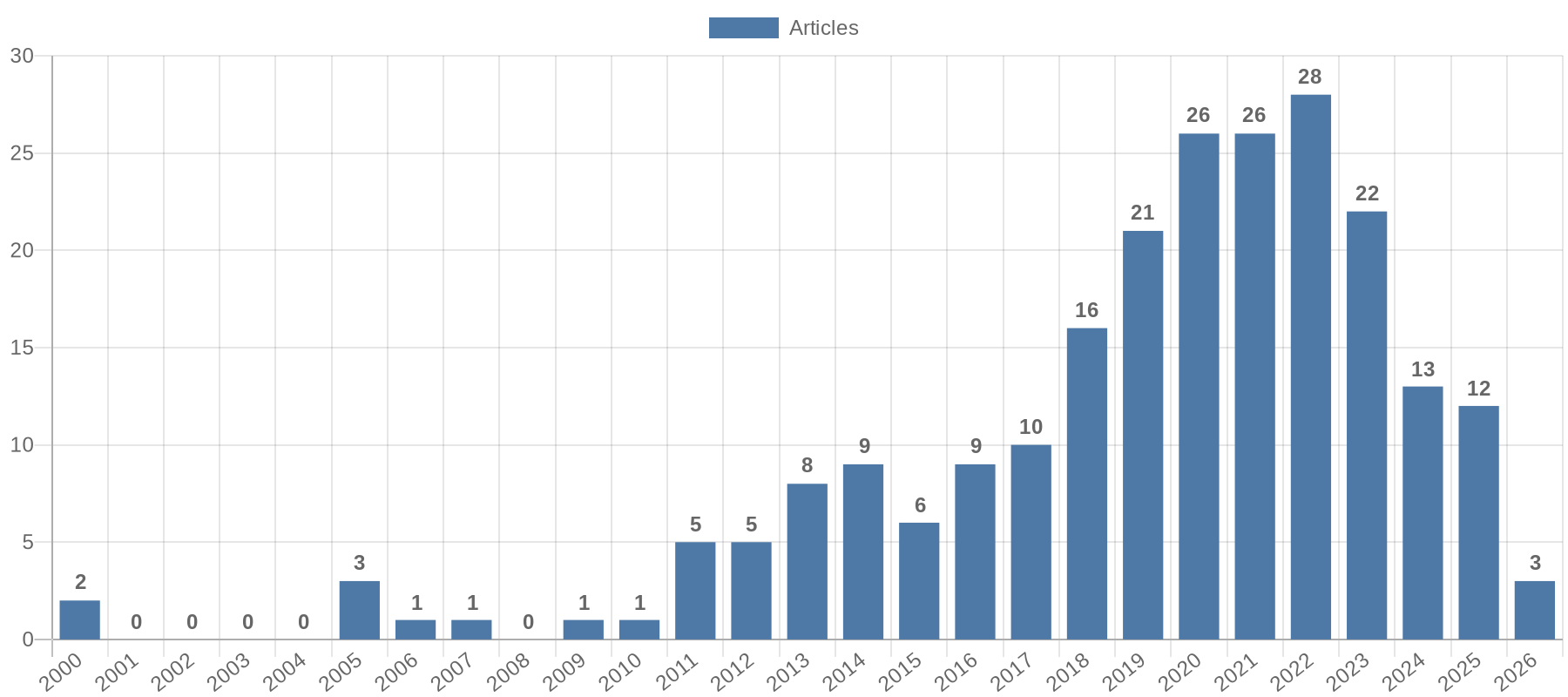
This paper shows that GLP-1 receptor agonists are no longer just diabetes or weight-loss drugs: across a broad evidence base, they emerge as major cardiometabolic therapies linked to lower cardiovascular risk through both metabolic and direct vascular effects. The full paper is worth reading because it shows where this benefit is strongest, where the evidence is still mixed, and why the biggest gap may now lie not in efficacy, but in getting these drugs to the patients who need them most.
Updated: 2026-03-28 • ID: glp-cardiovascular-20260219-101232-fcc6e977 • Editorial check 2026-03-28
This paper shows that women usually live longer than men, but that extra survival often comes with more years lived with disability, multimorbidity, and reduced independence rather than more healthy years. The full paper is worth reading because it shows where the female advantage remains strong, where it weakens, and which conditions and life circumstances most clearly explain the difference.
Updated: 2026-03-28 • ID: female-gender-life-expectancy-20260220-221427-8c3bca03 • Editorial check 2026-03-28
This paper shows that PAD does not affect women and men in the same way: women are often treated less aggressively and face more perioperative complications, while men more often carry the burden of amputation, mortality, and severe limb outcomes. The full paper is worth reading because it makes clear where the true gender gap lies in PAD—not just in prevalence, but in diagnosis, treatment, and what happens after intervention.
Updated: 2026-03-28 • ID: peripheral-artery-disease-gender-20260303-223354-d77d7bd0 • Editorial check 2026-03-28
This paper shows that economic inequality is not just a background social problem, but a force linked to worse health, weaker trust, more violence, and poorer collective resilience. The full paper is worth reading because it shows how inequality affects real outcomes across medicine, behavior, and society, and why both personal hardship and the perception of unfairness seem to matter.
Updated: 2026-03-28 • ID: economic-inequality-20260101-112141-d3689887 • Editorial check 2026-03-28
This paper shows that people in urban areas now usually live longer and spend more years in good health, but the gap is not fixed and seems to depend on cardiovascular risk, injuries, deprivation, and access to care. The full paper is worth reading because it shows where the urban advantage is strongest, where rural populations still do better, and which health system failures most likely drive the difference.
Updated: 2026-03-28 • ID: urban-life-expectancy-rural-life-expectancy-20260327-174358-70cf7c47 • Editorial check 2026-03-27
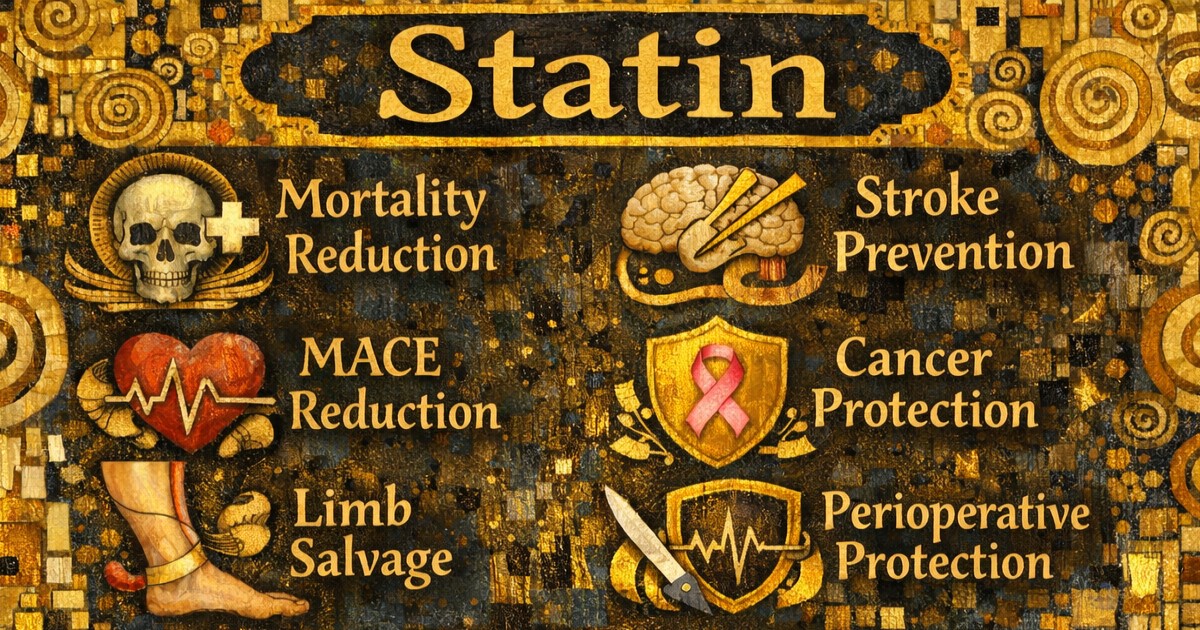
This paper shows that statins remain one of the strongest cardiovascular therapies, consistently linked to fewer major events and lower mortality across very large populations, but not without trade-offs such as diabetes risk, muscle symptoms, and rises in lipoprotein(a). The full paper is worth reading because it shows where the benefit is most convincing, where the risks matter most, and how to think more clearly about the real balance between protection and harm.
Updated: 2026-03-27 • ID: statin-20260216-203659-f5760313 • Editorial check 2026-03-15
© 2026 SAIMSARA Journal • Impressum • Published by ML in Health Science GbR