☸️ SAIMSARA Journal
Online First Issues About Impressum

AI-Native Scoping Reviews & Evidence Mapping

ISSN 3054-3991 · ISSN record ↗
The Journal publishes AI-generated scoping reviews in medical and life sciences under editorial oversight, with transparent citations and versioning. Online First articles are continuously released by registered users. Issues are organized by domain and linked to an interactive AI RAG chatbot.
Articles reviewed for clinical integrity and proper references by the Editor-in-Chief are marked with .

Read aims & scope, publishing model & policies →

Issues

Domain issues provide an archive / table of contents and a paired RAG agent.
Vascular Health icon
Vascular Health
Issue 1 • Vol 1 (2026) in progress
Longevity icon
Longevity
Issue 2 • Vol 1 (2026) in progress
Digital Health icon
Digital Health
Issue 3 • Vol 1 (2026) in progress
To propose a new domain issue or suggest curation criteria, use Impressum contact.
Online First: 71 article(s) • Page 1 / 6 Full archive (source) →
This paper shows that carotid stenosis is not just a problem of how narrow the artery looks: inflammation repeatedly emerges as the hidden biology that helps explain which plaques become dangerous, embolize, and lead to recurrent stroke. The full review is worth reading because it maps where PET imaging, blood biomarkers, and anti-inflammatory strategies may move carotid care beyond stenosis grading alone toward a more precise, risk-based treatment model.
Updated: 2026-04-17 • ID: carotid-stenosis-inflammation-20260130-060214-b5b2e2ef • Editorial check 2026-04-17
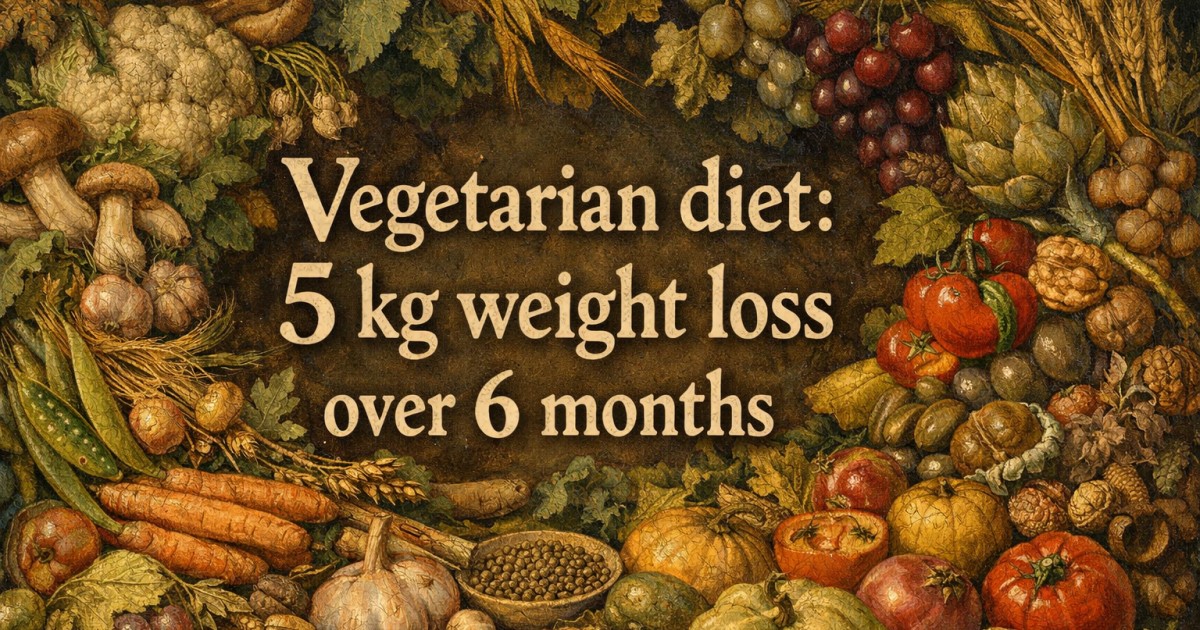
This paper shows that vegetarian and plant-based diets are not just ethical choices, but practical weight-loss strategies that can also improve insulin sensitivity, blood pressure, liver fat, and lipid profiles. It is worth reading because it maps which plant-based approaches seem to work best, where the evidence is strongest, and why “plant-based” is not one single diet.
Updated: 2026-04-17 • ID: vegetarian-weight-loss-20260320-163748-be015a04 • Editorial check 2026-03-20
Statins are not just cholesterol drugs: across an enormous evidence base, this review shows how they may help protect healthspan and longevity by lowering recurrent vascular events and mortality, while also exposing the real trade-offs around diabetes risk, intolerance, and poor long-term adherence. The full paper is worth reading because it separates where statins most clearly extend durable cardiovascular protection from where the evidence becomes mixed, controversial, and potentially relevant to broader aging-related pathways such as inflammation, liver disease, and neurocognitive decline.
Updated: 2026-04-17 • ID: statin-medication-20260216-203610-d97359b1 • Editorial check 2026-04-17
Semaglutide is not just a weight-loss drug — this review maps how it reaches across obesity, diabetes, cardiovascular disease, kidney protection, liver disease, and emerging neurologic pathways, while separating strong evidence from hype. The full paper is worth reading because it shows where semaglutide truly delivers the biggest clinical gains, where the safety and durability limits begin, and which future uses may matter most.
Updated: 2026-04-16 • ID: semaglutide-20260106-110453-45190890 • Editorial check 2026-04-16
This review shows that tattooing is far more than cosmetic ink: it maps how tattoos can act as long-term biological exposures linked to inflammation, pigment migration, diagnostic confusion, allergic disease, and possible cancer signals, while also serving as powerful medical tools in reconstruction, localization, drug delivery, and wearable sensing. The full paper is worth reading because it turns a scattered and emotionally charged topic into a clinically useful evidence map of where tattooing helps, where it harms, and which risks, technologies, and unanswered questions matter most.
Updated: 2026-04-16 • ID: tattoo-20260416-151444-7d106467 • Editorial check 2026-04-16
This review shows where clopidogrel truly outperforms aspirin, where the advantage disappears, and why the answer changes across PCI, stroke, PAD, gastrointestinal risk, and surgery. It turns a common everyday antiplatelet choice into a clinically practical evidence map of who may benefit more from clopidogrel, when aspirin may still be safer, and where the real uncertainties remain.
Updated: 2026-04-15 • ID: aspirin-clopidogrel-20250924-152723-2e3a8ec9 • Editorial check 2026-04-15
This review shows that AAA diagnosis is no longer just about measuring diameter: the strongest evidence now points to a multimodal pathway where ultrasound and CTA remain the clinical backbone, while CEUS, biomechanical modeling, and emerging biomarker panels begin to refine who truly carries higher rupture or surveillance risk. The full paper maps where these newer tools already add real diagnostic value, where they remain premature, and how AAA detection is shifting from simple imaging toward biologically and mechanically informed precision assessment.
Updated: 2026-04-15 • ID: diagnostics-abdominal-aortic-aneurysm-20260212-225805-1227ea6d • Editorial check 2026-04-15
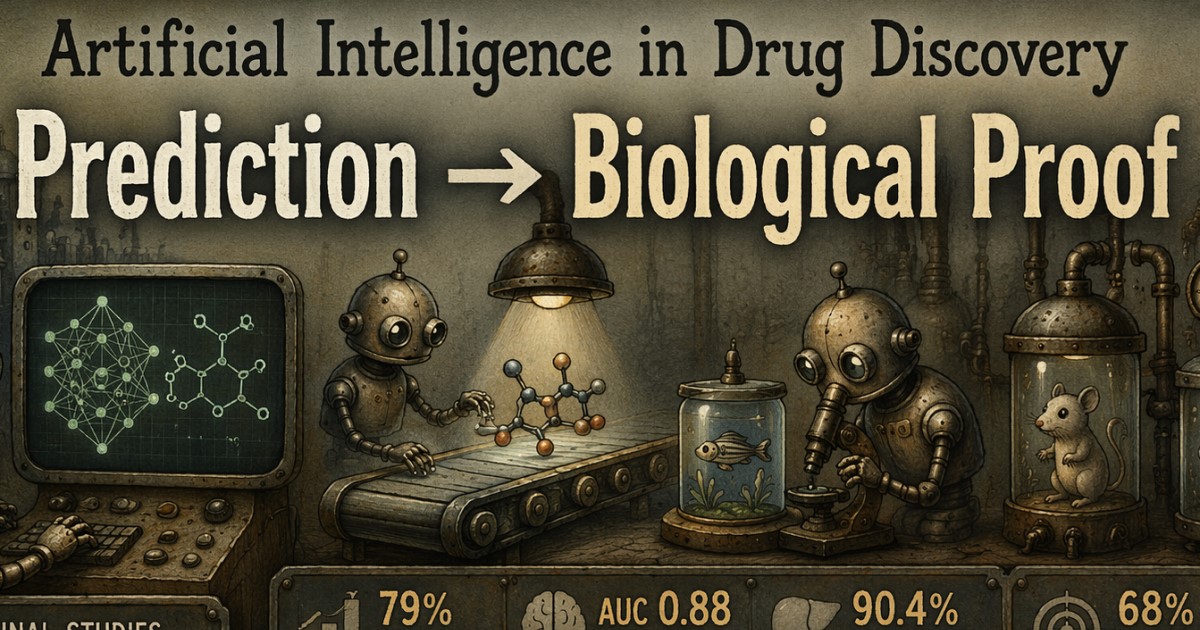
This review shows where AI is already delivering real value in drug discovery: not just faster predictions, but experimentally validated hits, better ADMET screening, large-scale virtual screening, and even early human translation. It maps which AI advances are truly credible, which claims remain fragile, and where the field is genuinely moving from hype to practical therapeutic impact.
Updated: 2026-04-15 • ID: artificial-intelligence-drug-discovery-20260412-173249-62d4eb26 • Editorial check 2026-04-15
This review shows that the strongest medication signal in AAA is not true aneurysm-shrinking therapy, but better survival: statins and antiplatelet treatment repeatedly track with lower long-term mortality, while most putative growth-modifying drugs still rest on mixed or observational evidence. It maps where medical AAA care is already actionable today, where metformin and other candidates remain uncertain, and which pharmacologic strategies may genuinely change aneurysm biology rather than just cardiovascular risk.
Updated: 2026-04-12 • ID: abdominal-aortic-aneurysm-medication-20260213-140326-81bc962f • Editorial check 2026-04-12
Research automation is no longer a futuristic add-on — this review shows where it is already transforming science, from trial recruitment and evidence synthesis to laboratory workflows and multimodal data pipelines, often cutting manual work by more than 90% without sacrificing performance. Across 1,679 original studies, the paper maps not only where automation truly delivers speed, scale, and reproducibility, but also where human oversight remains the difference between safe acceleration and costly over-trust.
Updated: 2026-04-12 • ID: research-automation-healthcare-20251011-220203-ed91d2be • Editorial check 2026-04-12
Personalized healthcare is no longer just a promise of precision medicine — this review shows where it is already becoming clinically real, from AI prediction and pharmacogenomics to wearable monitoring and tailored care pathways. Across more than 1,300 original studies, the paper maps which personalized strategies are truly improving diagnosis, chronic disease control, and care delivery — and where the field still risks failing on fairness, infrastructure, and real-world implementation.
Updated: 2026-04-12 • ID: personalized-healthcare-research-20260411-210204-ec3e56f2 • Editorial check 2026-04-12
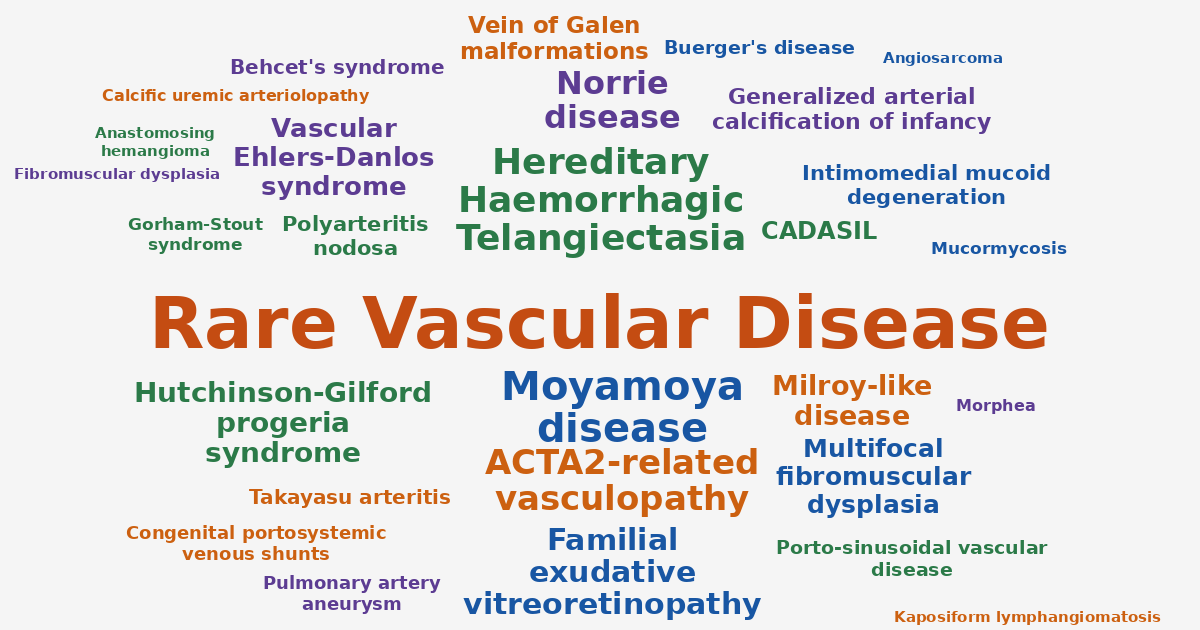
This review shows that rare vascular diseases are not just isolated curiosities: many are driven by shared pathways of vascular fragility, abnormal remodeling, and delayed diagnosis. It highlights where genetics, imaging, and targeted therapies are already turning rare vascular biology into practical clinical decisions.
Updated: 2026-04-11 • ID: rare-vascular-disease-20260310-060855-ac7391aa • Editorial check 2026-04-12
© 2026 SAIMSARA Journal • Impressum • Published by ML in Health Science GbR